The Mind-at-Large Project is a three-year, multidisciplinary inquiry into consciousness and its role in the nature of reality. Rooted in philosophy yet reaching across the sciences, the arts, and spiritual traditions, the project challenges the prevailing assumption that mind is confined to human brains alone. Instead, it explores the possibility that consciousness is fundamental, relational, and potentially cosmic in scope.
Against the background of a long period of intellectual disenchantment—one that rendered nature mute, inert, and mindless—the Mind-at-Large Project seeks to recover and re-imagine participatory modes of knowing. It invites dialogue across disciplines and traditions that take seriously the idea that mind may be woven into the fabric of the universe itself.
The first gathering, “A New Dawn,” inaugurates this unfolding inquiry and will be held fully online from April 15–17, 2026, hosted by the Center for Process Studies. Designed to be globally accessible, the conference will convene leading thinkers and emerging scholars from around the world for two and a half days of shared inquiry into the deeper nature of mind—from the subatomic to the ecological, from the human to the cosmic.
The program will feature a dynamic mix of plenary lectures, emerging perspectives, and panel discussions, fostering both depth and dialogue across disciplinary boundaries. As we enter this new horizon, we ask: Is consciousness merely an evolutionary by-product, or could it be a fundamental feature of reality itself? What new metaphysical, scientific, and ethical possibilities emerge if mind is not an illusion, but a pervasive dimension of the cosmos?
Format
Plenary Pioneers
The conference will feature plenary lectures from leading thinkers whose work has helped reopen the question of consciousness in philosophy, science, and culture. Together, these Plenary Pioneers represent diverse yet convergent efforts to rethink mind beyond reductive materialism. Each plenary will offer a distinctive vantage point on the possibility that consciousness is not merely a feature of complex brains, but a fundamental dimension of reality itself.
Emerging Perspectives
In addition to the plenary lectures, Emerging Perspectives sessions will showcase accepted papers from promising scholars whose work engages the guiding question of the conference with originality, rigor, and interdisciplinary reach. Selected through a review process, these contributions represent emerging lines of inquiry into the re-emergence of mind-at-large across contemporary thought.
Themes
Presentations will address this question from a wide range of philosophical, scientific, and cultural vantage points, including—but not limited to—the following areas:
Philosophy of Mind
Panpsychism, idealism, dual-aspect monism, process philosophy, nondual traditions
Mind & Matter
Quantum theory, observer participation, and the metaphysics of measurement
Biology and Consciousness
Cognition in plants, animals, and bioelectric systems
4E Cognition
Embodied, embedded, enactive, and extended approaches to mind
Indigenous and Animist Perspectives
Relational ontologies and ecological consciousness
History of Science and the Disenchantment of Nature
Recovering participatory modes of knowing
Theology and Cosmology
Panentheism, pantheism, and the divinization of nature
Extraordinary Experience
Psychedelic, mystical, and psi phenomena as windows onto a wider field of consciousness
Together, the plenary and emerging sessions aim not to close the question of consciousness, but to reopen it—expanding the conceptual space in which new understandings of mind, nature, and reality may emerge.
Plenary Speakers
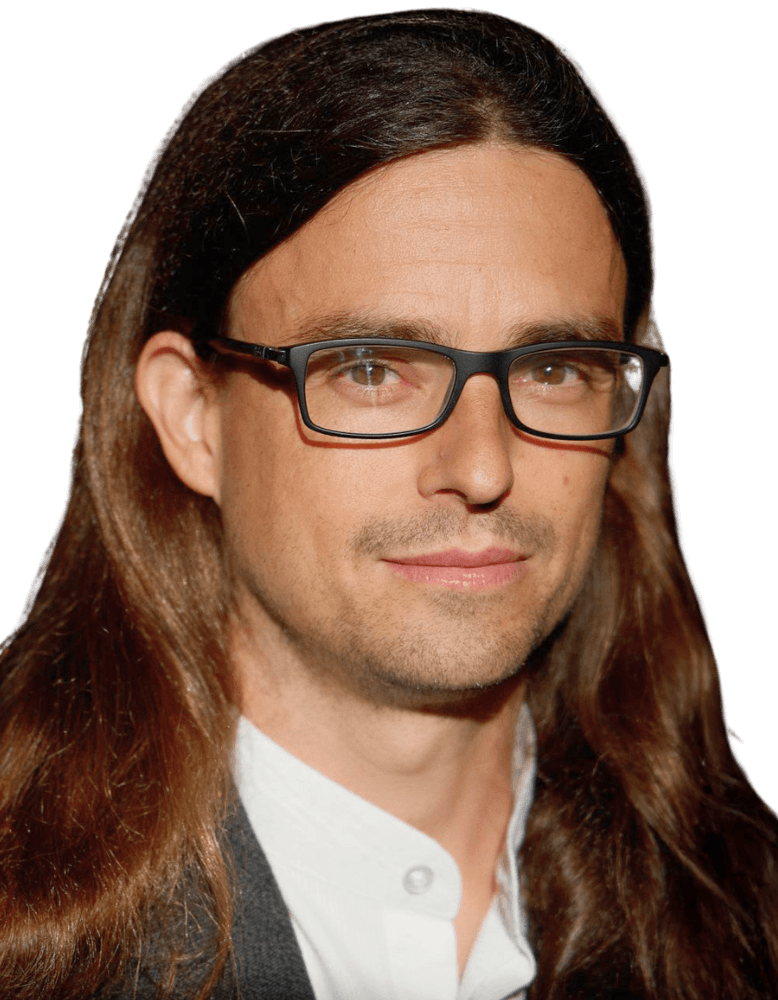
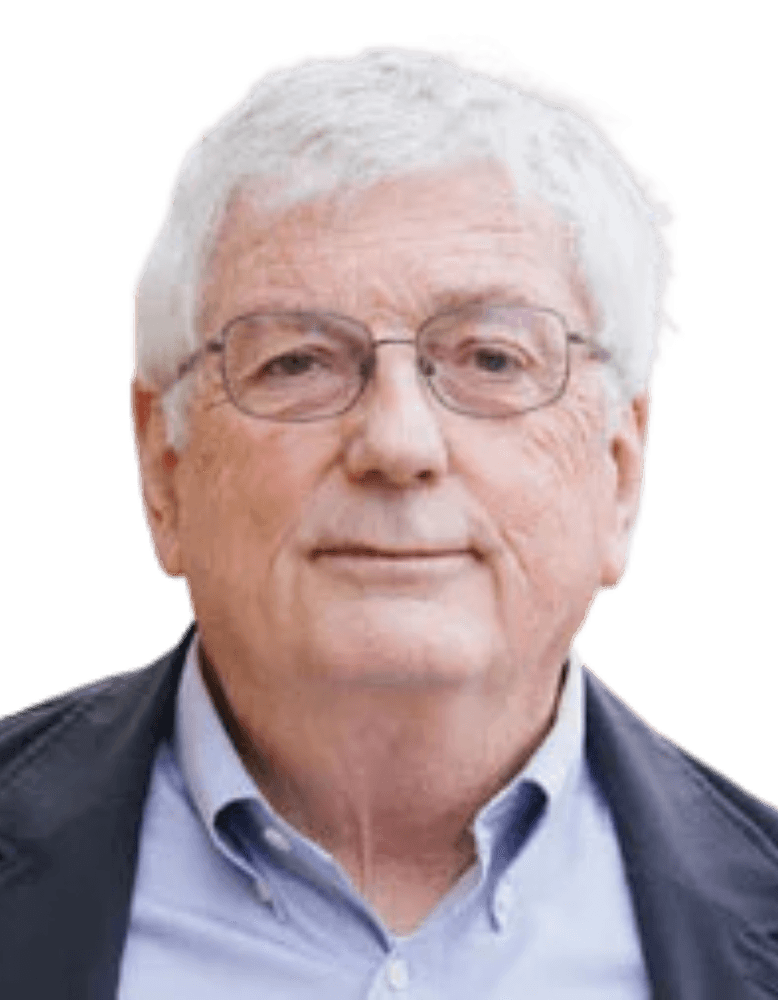
Dr. Alex Gómez-Marín (Barcelona, 1981) is a physicist turned neuroscientist investigating human consciousness in the real world. He holds a degree in physics, a masters in biophysics, and PhD in theoretical physics from the University of Barcelona, followed by two postdoctoral fellowships as a neuroscientist at the EMBL Center for Genomic Regulation and at the Champalimaud Center for the Unknown in Lisbon. For the last decade Alex has been a Principal Investigator at the Institute of Neurosciences in Alicante, Spain, and Director of the Behavior of Organisms Laboratory. He is currently a Senior Researcher there and an Associate Professor of the Spanish Research Council. He was director of the Pari Center from 2022 to 2025. In 2023 he was awarded the Linda O’Bryant research prize by the Institute of Noetic Sciences for his research on minds beyond brains. He is currently a member of the advisory board of the Dutch Brain Interface Initiative and of the Bamberg Mathematical Consciousness Science Initiative. He is also executive editor of Robert Kuhn’s the Landscape of Consciousness Website. Alex has published over a hundred articles in science journals, including Nature Neuroscience, Neuron and Science. He is also the author of The Science of the Last Threshold: a Journey to the Limits of Life, Death, and Consciousness, recently published in Spanish by Planeta.
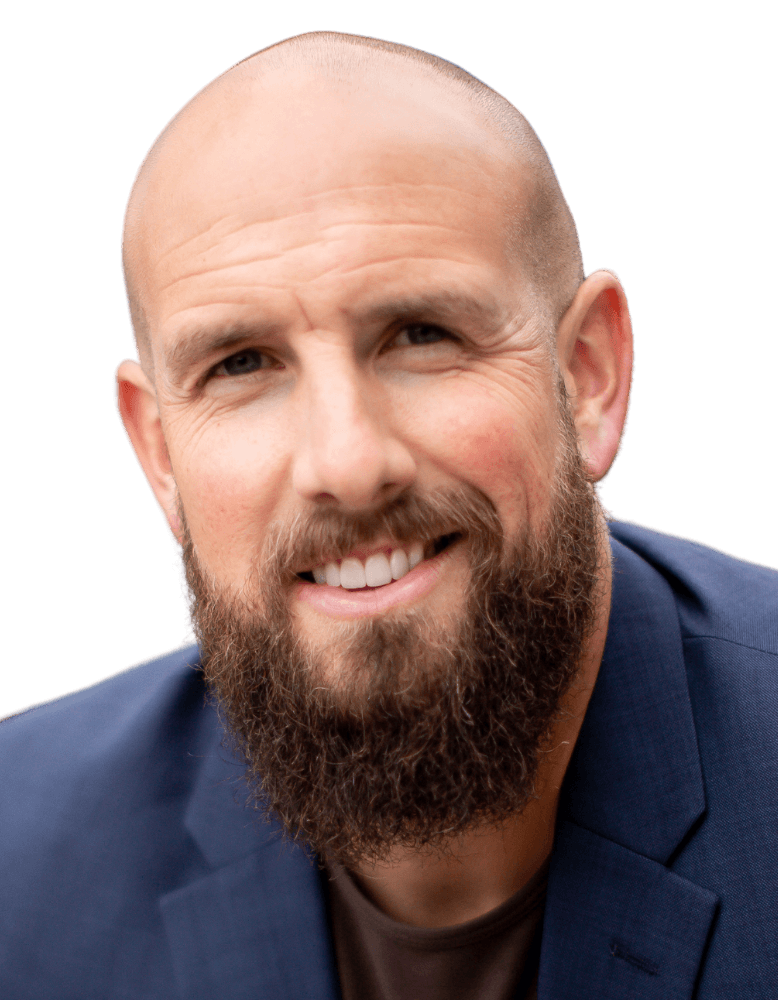
Dr. Andrew M. Davis is an American process philosopher, theologian, and scholar of the cosmos. He is Research and Academic Director for the Center for Process Studies, where he researches, writes, teaches, and organizes conferences on various aspects of process-relational thought. An advocate of metaphysics and meaning in a hospitable universe, he approaches philosophy as the endeavor to systematically think through what reality must be like—because we are a part of it. He is author, editor, and co-editor of nearly a dozen books, including Mind, Value, and Cosmos: On the Relational Nature of Ultimacy (2020); Process Cosmology: New Integrations in Science and Philosophy (2022); Metaphysics of Exo-Life: Toward a Constructive Whiteheadian Cosmotheology (2023); and Whitehead and Teilhard: From Organism to Omega (2025). His forthcoming book is a comprehensive yet conversational introduction to Alfred North Whitehead titled Whitehead’s Universe: A Prismatic Introduction. Follow his work at andrewmdavis.info.
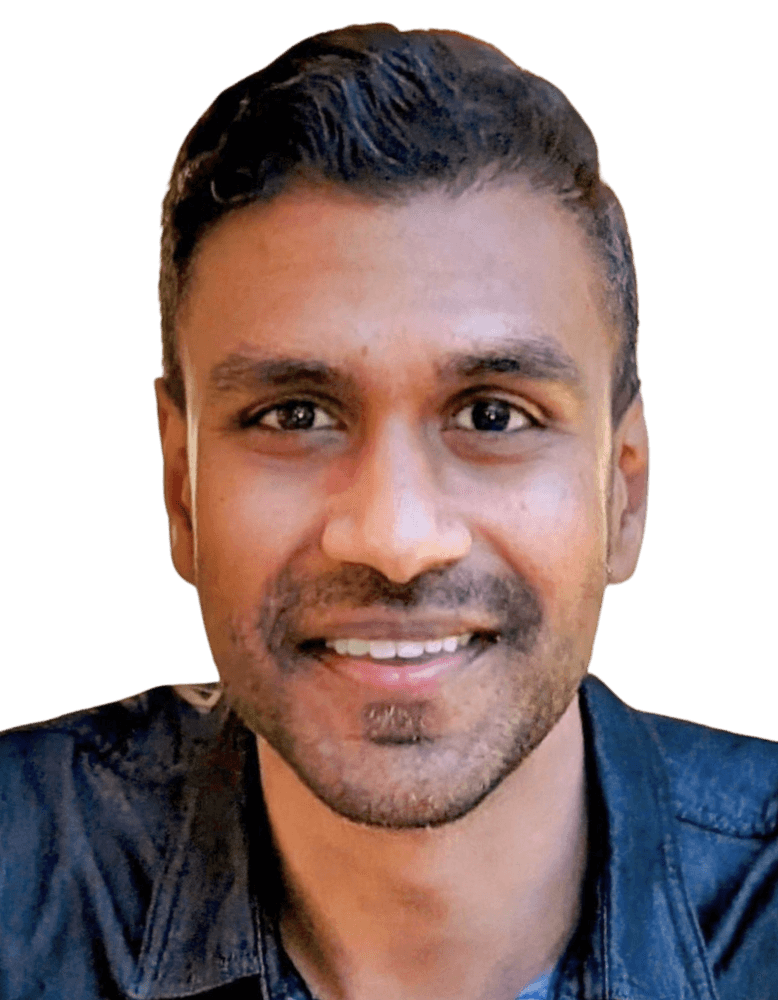
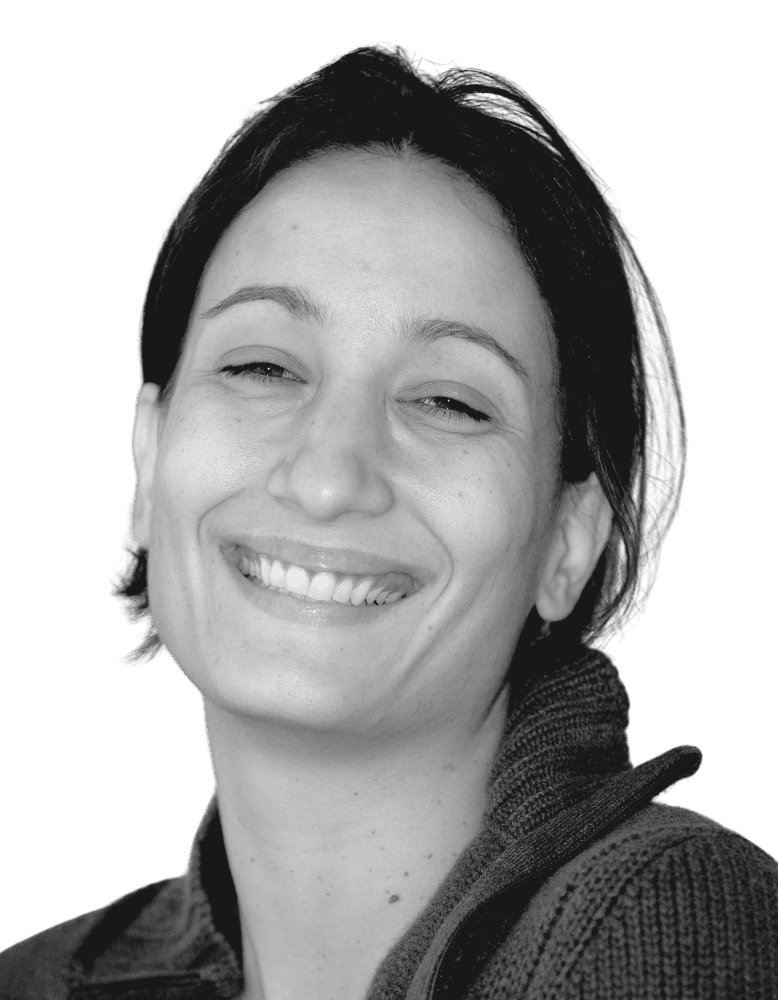
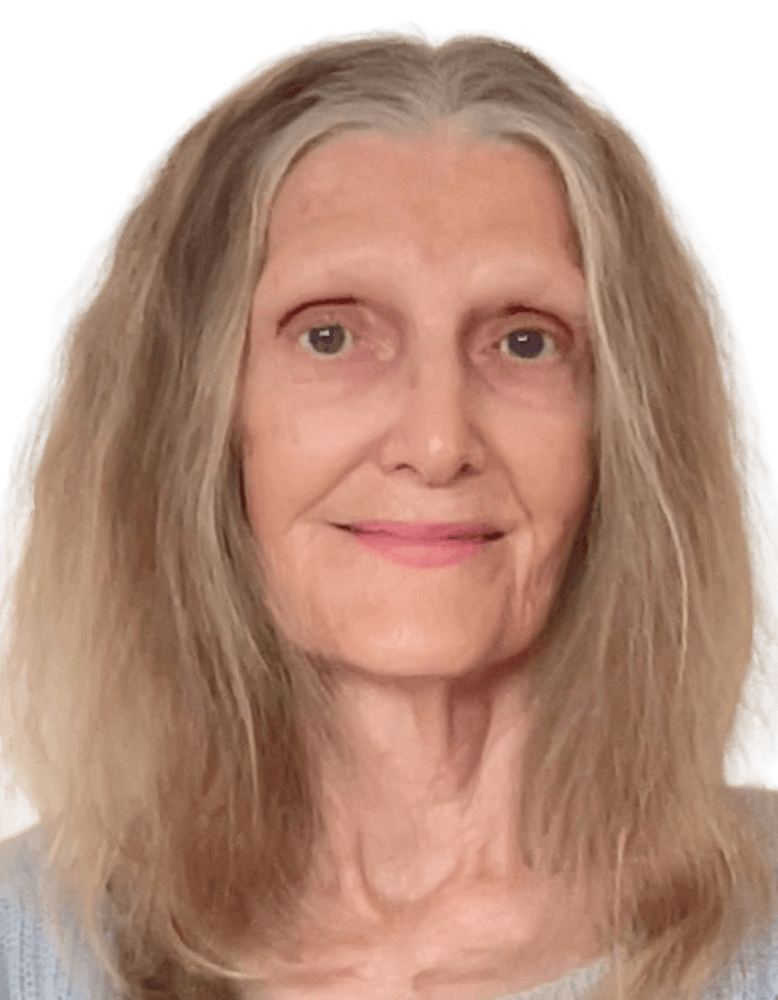
Dr. Elly Vintiadis is a philosopher of mind and psychiatry teaching at Deree – The American College of Greece. Elly has also taught at the Hellenic Naval Staff and Command College and the City College of New York and is currently associate editor of Philosophical Psychology and co-director of the Demographics in Philosophy Project which aims to address the underepresentation of women in philosophy and to increase diversity in philosophy departments. In her research she explores a number of philosophical topics, ranging across the metaphysics of mind, the philosophy of psychiatry, epistemology, metaphilosophy, animal ethics and bioethics. Elly is the author of Animals and Us (Τα Ζώα και Εμείς, in Greek; epbooks 2020), editor and contributor of Philosophy by Women (Routledge 2020) and co-editor and contributor of Brute Facts (Oxford University Press 2018) and is currently writing a book on psychedelic assisted therapy to be published by Cambridge University Press.
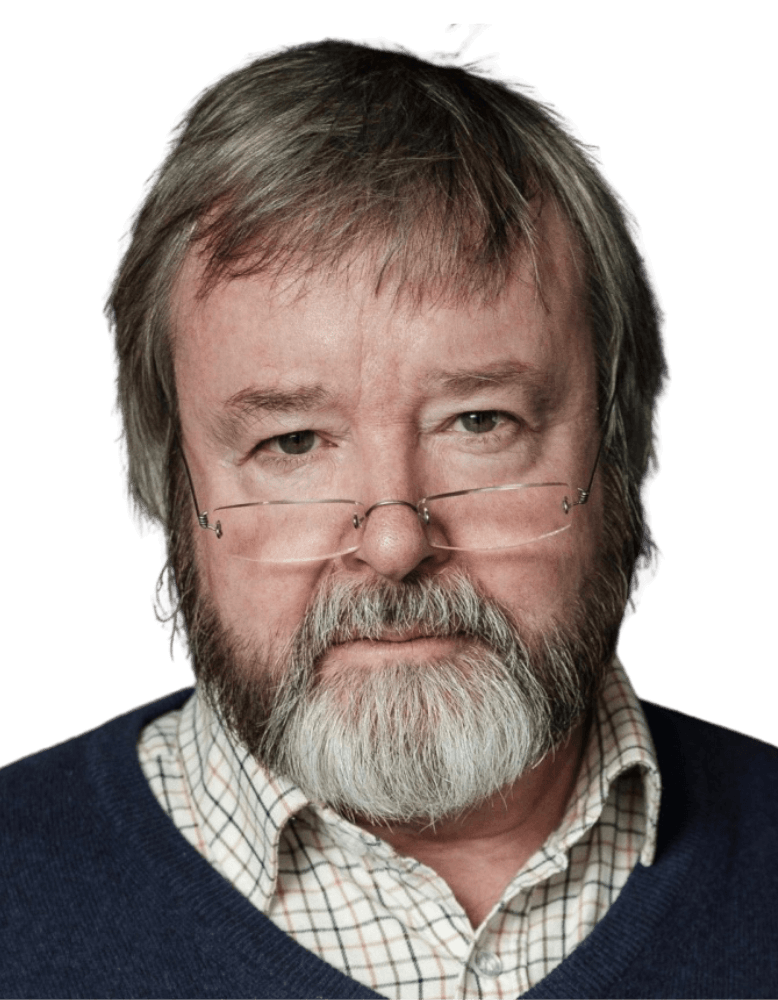
Dr. Iain McGilchrist is a Quondam Fellow of All Souls College, Oxford, an Associate Fellow of Green Templeton College, Oxford, a Fellow of the Royal College of Psychiatrists, a Fellow of the Royal Society of Arts, and former Consultant Psychiatrist and Clinical Director at the Bethlem Royal & Maudsley Hospital, London. He has been a Research Fellow in neuroimaging at Johns Hopkins Hospital, Baltimore and a Fellow of the Institute of Advanced Studies in Stellenbosch. He has published original articles and research papers in a wide range of publications on topics in literature, philosophy, medicine and psychiatry. He is the author of a number of books, but is best-known for The Master and his Emissary: The Divided Brain and the Making of the Western World (Yale 2009); and his book on neuroscience, epistemology and ontology called The Matter with Things: Our Brains, Our Delusions and the Unmaking of the World (Perspectiva 2021). Follow Iain at channelmcgilchrist.com
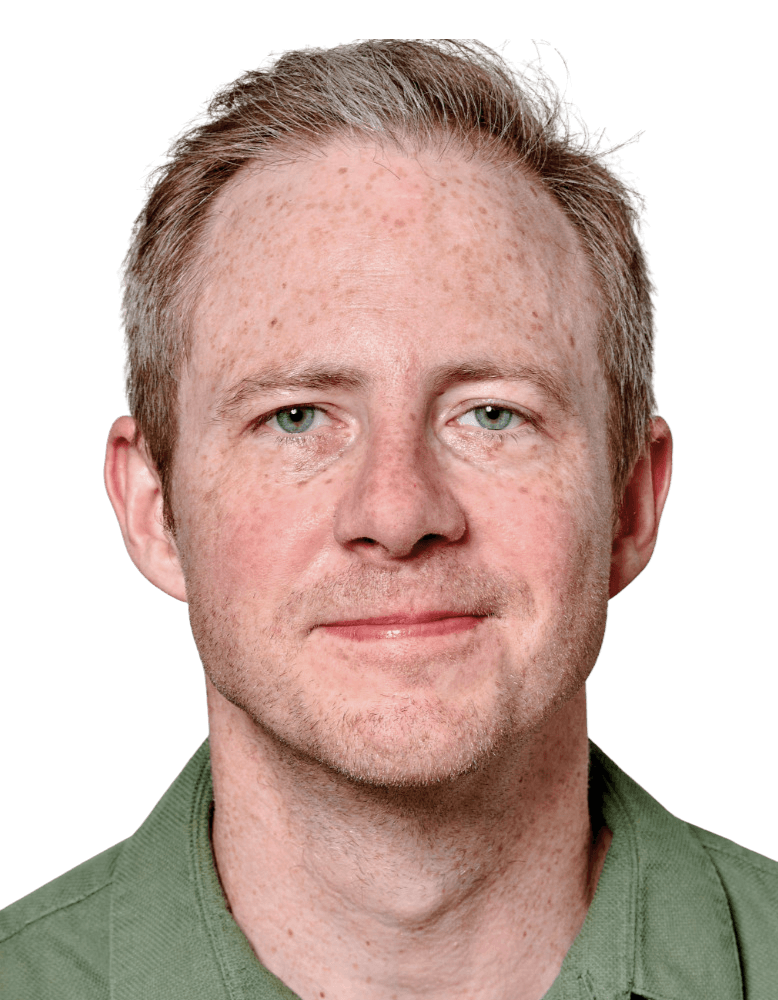

Mind-at-Large Team Speakers
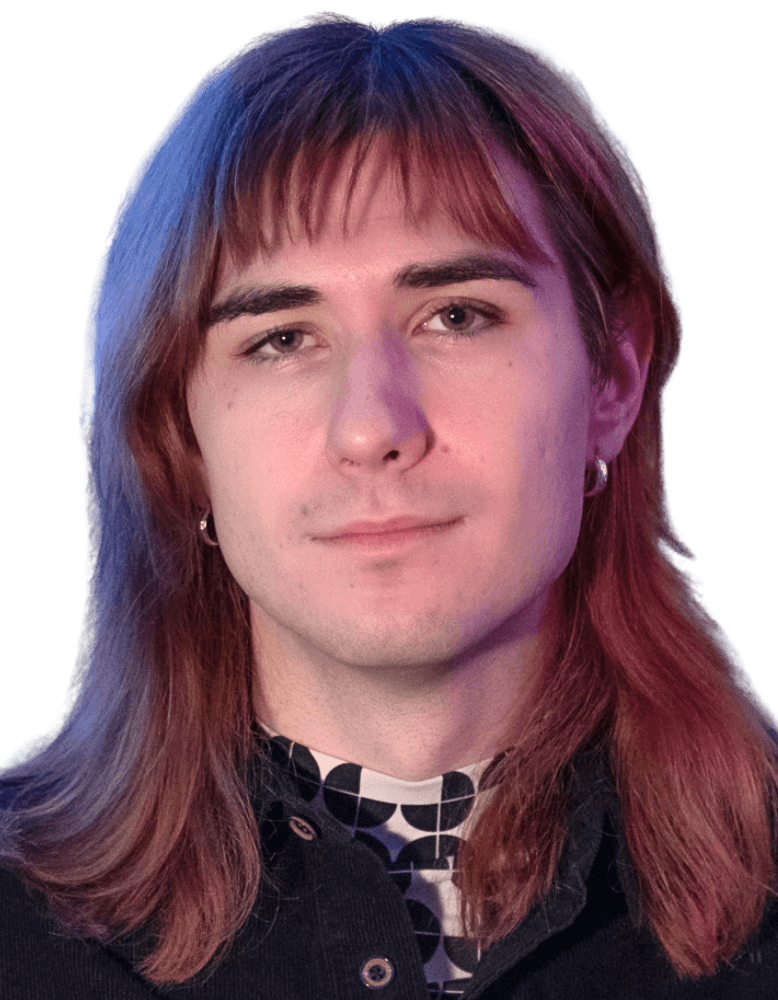
Jared Morningstar is an independent scholar and public intellectual based in Chicago whose work explores philosophies and wisdom traditions that are attuned to our time of profound cultural, ecological, and spiritual transition. His research focuses especially on process philosophy and theology, classical and contemporary Islamic thought, metamodernism, comparative religion, and non-ordinary experiences. Across his writing and public scholarship, he explores how religious traditions can be articulated to respond constructively to contemporary challenges such as nihilism, interreligious conflict, ecological crisis, and the so-called “meaning crisis.” Jared’s work has appeared in a variety of publications including Metamodern Theory and Praxis, Process Perspectives, and Emerge alongside the edited volumes Open and Relational Theology and its Social and Political Implications: Muslim and Christian Perspectives and Amipotence: Expansion & Application. He is a frequent lecturer and conference presenter and has appeared on numerous podcasts and public forums to discuss religion, process thought, Islam, and metamodernism. He holds degrees in Religion and Scandinavian Studies from Gustavus Adolphus College and currently works with the Center for Process Studies and the Psychedelic Medicine Association.
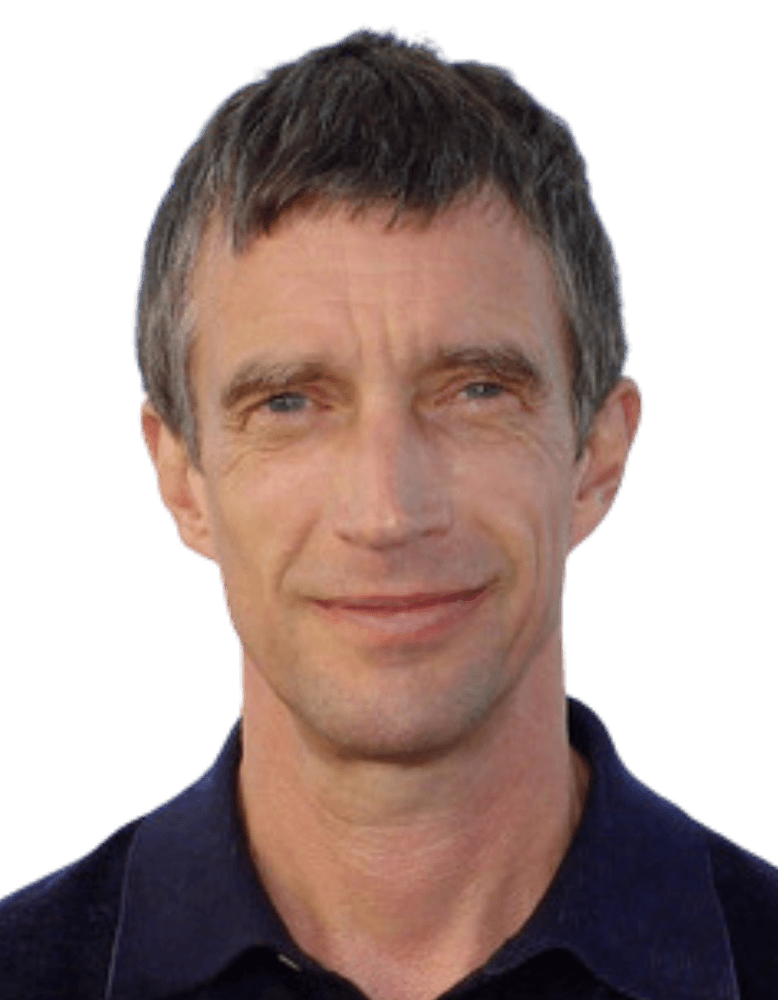
Dr. John H. Buchanan received his master’s degree in humanistic/transpersonal psychology from West Georgia College and his doctorate from the Graduate Institute of the Liberal Arts at Emory University, where he first studied process thought with William Beardslee—then later with David Griffin. He has been trained and certified as a Holotropic Breathwork practitioner by Stan and Christina Grof. His book, Processing Reality: Finding Meaning in Death, Psychedelics, and Sobriety, based upon his continuing interests in process philosophy and transpersonal psychology, was published in the fall of 2022. Buchanan has contributed a number of journal articles and book chapters on similar topics, and in 2020 was contributing co-editor for Rethinking Consciousness: Extraordinary Challenges for Contemporary Science. Dr. Buchanan also serves as president of the Helios Foundation and is a board member of the Center for Process Studies.
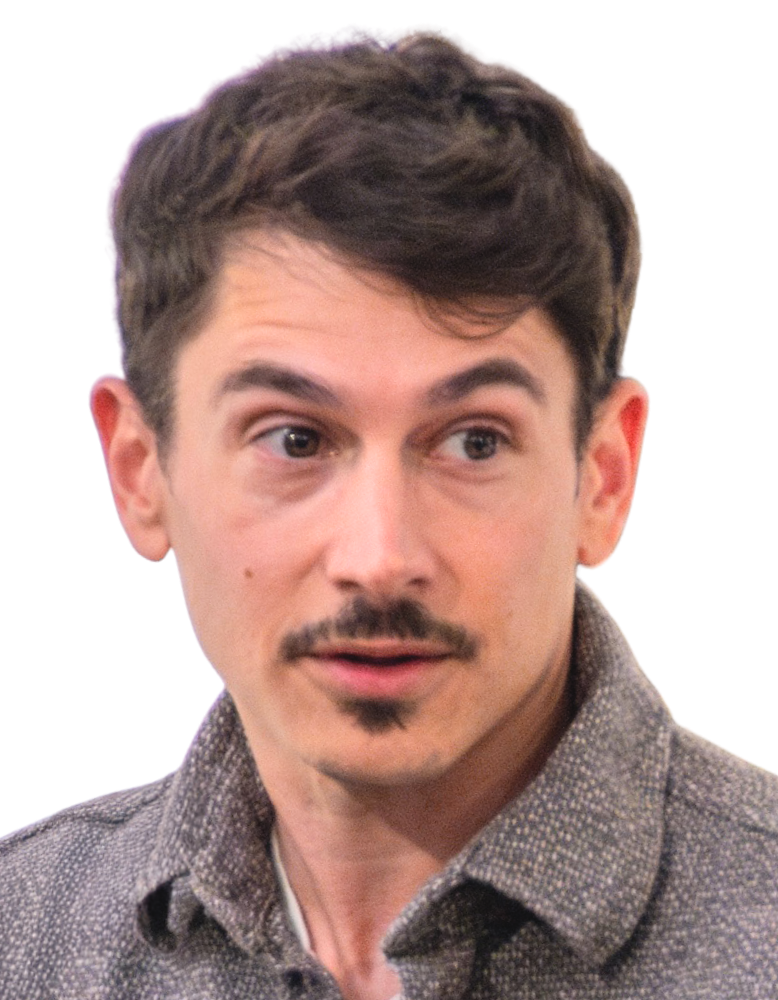
Dr. Matthew David Segall is the Director of the Process & Science Network, and a transdisciplinary researcher and teacher applying process philosophy across the natural and social sciences, including the study of consciousness. He is Assistant Professor in the Philosophy, Cosmology, and Consciousness Program at California Institute of Integral Studies in San Francisco, CA. Matt is author of Crossing the Threshold: Etheric Imagination in the Post-Kantian Process Philosophy of Schelling and Whitehead (Integral Imprint, 2023) and Physics of the World-Soul: Alfred North Whitehead’s Adventure in Cosmology (SacraSage Press, 2021). Follow his work at Footnotes2Plato.com

Dr. Peter Sjöstedt-Hughes is a Philosopher of Mind and Metaphysics, and lecturer at the University of Exeter. He specializes in the thought of Whitehead, Nietzsche, Bergson, and Spinoza—and in fields pertaining to panpsychism, pantheism, mental causation, and altered states of consciousness. Peter is the author of Noumenautics (2015), Modes of Sentience (2021), co-editor and contributor of Bloomsbury’s Philosophy and Psychedelics (2022), the TEDx Talker on “psychedelics and consciousness,” and he is inspiration to the recreation of inhuman philosopher Marvel Superhero, Karnak.
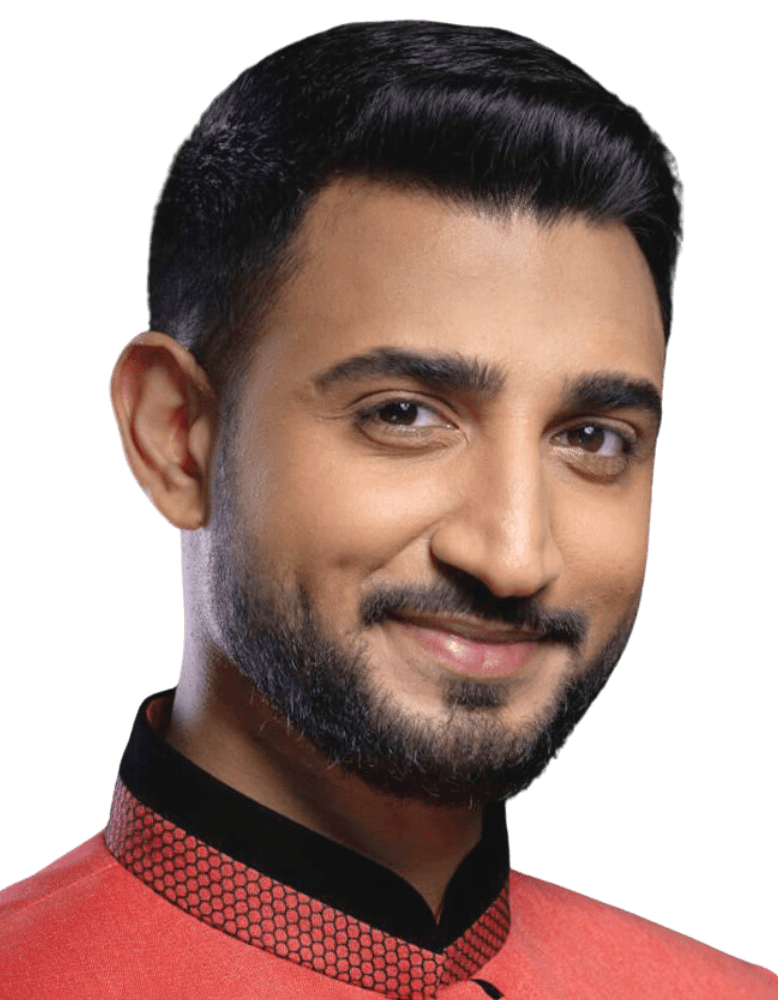
Dr. Tevin Naidu, MBChB, PGDipGP, MPhilPEMH, is a South African medical doctor, philosopher, and the creator and host of Mind-Body Solution. He holds a Bachelor’s Degree in Medicine and Surgery from Stellenbosch University and a Master’s Degree in the Philosophy and Ethics of Mental Health from the University of Pretoria. He is a full-time medical practitioner with a PGDip in General Practice, and his MPhil academic work focused on theories of consciousness, computational psychiatry, phenomenological psychopathology, values-based practice, addiction, moral luck, and free will. He champions Mind-Body Solution’s mission to provide open-access, thought-provoking content, advancing philosophical and scientific inquiry, and inspiring a global community to explore the fundamental nature of mind, matter, meaning, and more. Join him on his quest to illuminate the Mind-Body Problem and take one step closer to the Mind-Body Solution.
Emerging Perspectives Speakers

Ada Kałużna is a researcher with interest in psychedelics, consciousness and extraordinary experience. Her master’s thesis (Clinical Mental Health Sciences @ UCL) focused on the psychotherapeutic benefit of the ego-dissolution and connectedness elements of the psychedelic experience. It followed on from her interdisciplinary bachelor’s thesis (completed under the supervision of Prof. Yujin Nagasawa @ the University of Birmingham), which showcased empirical evidence for the existence of one ubiquitous consciousness permeating the universe. She presented her research on psychedelic therapy at the MIND Conference in Berlin and published it with the Journal of Psychedelic Studies, garnering significant interest since. She worked as a Scientific Officer at the Beckley Foundation, the chief psychedelic research foundation in the UK, where she coordinated different studies and envisioned new research directions.
Spontaneous Epiphany: The Mind-Revealing Visions of Hildegard von Bingen and Philip K. Dick
What connects Hildegard von Bingen and Philip K. Dick? Both were recipients of a peculiar type of instantaneous revelation about the workings of the universe.Psychedelics, spiritual practices, exceptionally intense events can all lead to mind states attuned to the frequency of extraordinary experience. As the proverbial doors of perception fling open then, the mind is flooded with a phantasmagoria of information, mesmerizing chaos one may be hard pressed to make rational sense of. There are, however, famous instances of flashes of inspiration, scientific breakthroughs even, seemingly delivered in whole from an outside source, which were thereafter recorded and rationalized.This presentation will focus on two such cases to address the following question: how do revelations experienced by Hildegard von Bingen and Philip K. Dick interact with the theory of panpsychism/panentheism?The context of the revelations will be studied through the following questions: how do they begin?; where does the sudden influx of knowledge flow from?; and how do the recipients of these apocalypses make sense of the information delivered to them in an instant?By looking at these questions through the panpsychist lens, the presentation aims to present spontaneous epiphany as a state where, through interacting with the Universal Mind, one may gain information about it and about the universe in general. Given how unlikely the pair is, the similarities that emerge through the comparison of von Bingen’s and Dick’s revelations should stand out as not idiosyncrasies, but regularly repeating principles of extraordinary experience.The key contribution to the current debate is the insight that, the existence of a Universal Mind provided, knowledge is likewise ever-present across the Universe and can become manifest to an individual mind in the right state.
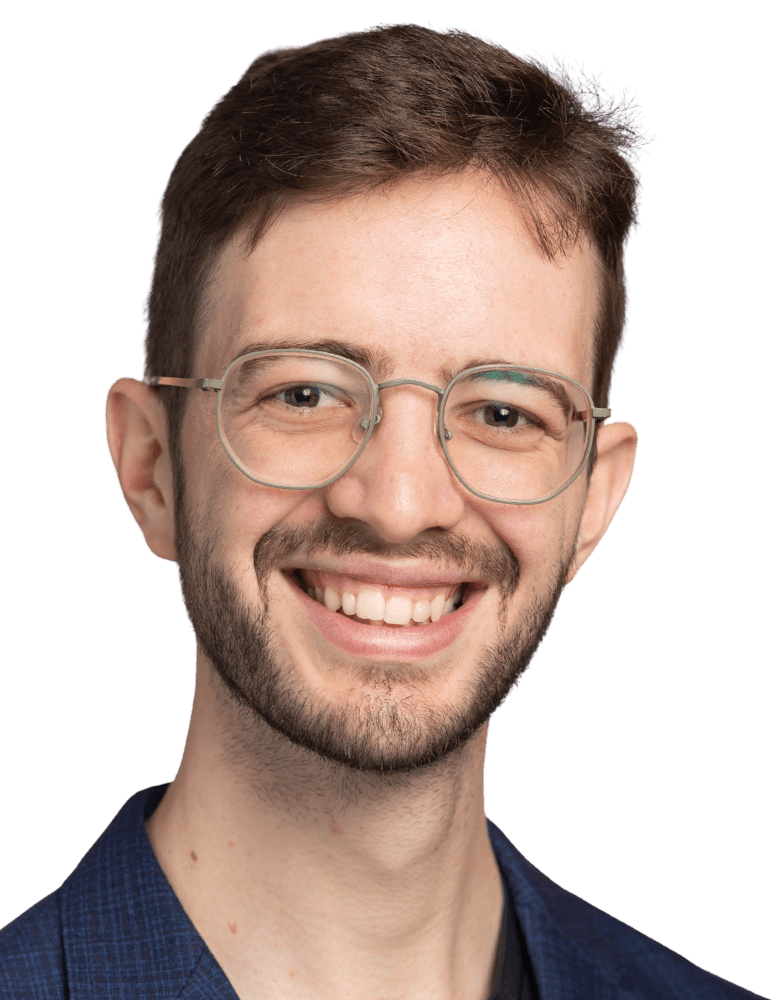
Alberto Cavallarin is a PhD candidate at the Tilburg School of Catholic Theology of Tilburg University, the Netherlands. His project’s research question is: Can mystical experiences help resolve deep religious disagreements? More generally, his work focuses on the overlap between religious epistemology, social epistemology, and altered states of consciousness. Some topics that he has worked on are: “hinge” epistemology, (neo-)perennialism, religious disagreement, and the idea that death is an illusion.
Is the Noetic Quality Evidence for the Reality of Mystical Experiences?
William James famously suggested that mystical experiences have a “noetic quality”, i.e., the mystic is unshakably certain that the experience revealed something about the nature of reality. Despite the massive metaphysical weight that it carries, this feature remains severely under-analyzed. This presentation aims to answer the following question: Is the noetic quality a valid reason for believing in the reality of mystical states? Two main strategies are explored: a “coherentist” approach – the noetic quality is valid evidence, insofar as it fits with the rest of the available evidence – and a “foundationalist” approach – the noetic quality should be taken as direct evidence, unless there are valid reasons not to. I will also consider the impact of the “problem of diversity” on our argument; that is, the fact that different altered states with a noetic quality seem to reveal different facts about reality to different people. My conclusion will be that an appeal to the noetic quality fails or is, at the very least, significantly limited in scope. Nevertheless, one can argue that mystical states are pragmatically real. I will close by sketching such a pragmatic interpretation, inspired by the work of George Santayana, according to which the noetic quality amounts to the acknowledgment of a fact of human existence. This fact is the following: experiences of self-transcendence that seem unmistakably real are available to human beings. In this sense, the noetic quality of mystical states is akin to the “noetic quality” involved in walking into a wall: it does not prove the reality of the wall per se; however, it forces us to acknowledge the presence of the wall – the fact that we cannot walk through it – as a fact of human existence that, as human beings, we have to deal with, independently of our epistemic frameworks.
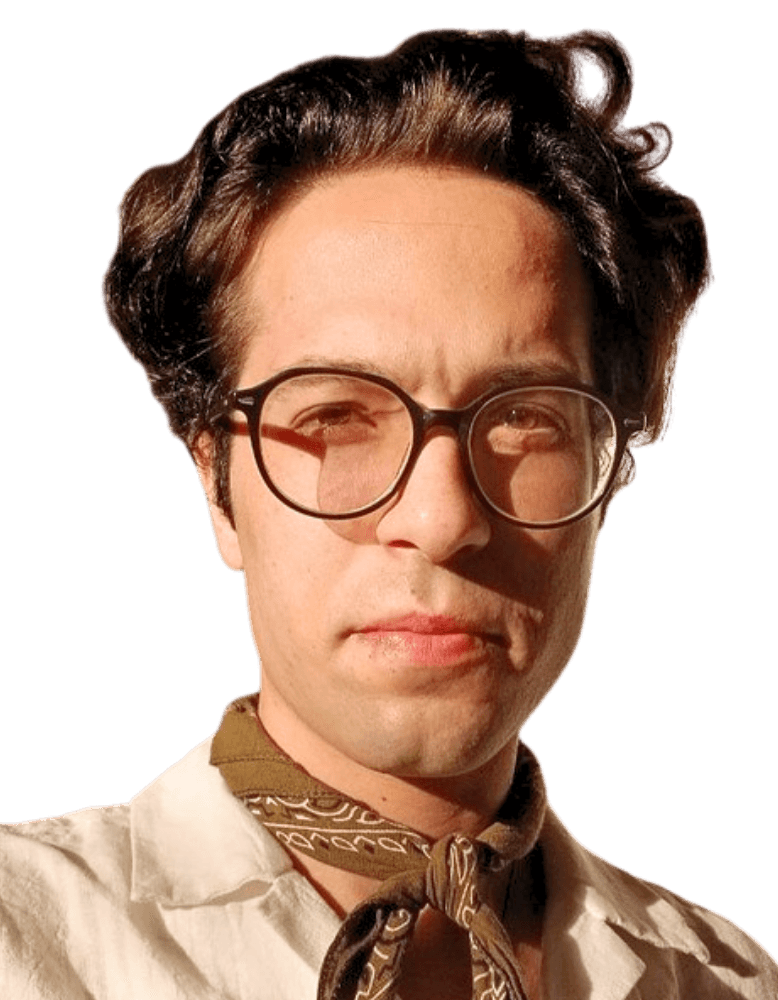
Ali Khalilian Najafabadi holds a BA in Psychology and an MA in Cognitive Science and is currently a master’s student in Philosophy. His research interests lie in the philosophy of mind and metaphysics, with a particular focus on the metaphysics of consciousness and the gap between first-person experience and third-person knowledge. He is especially interested in how subjective experience can be philosophically accommodated alongside scientific accounts of the brain without reducing one to the other. His work explores the possibility of developing conceptual frameworks that remain faithful both to empirical findings in cognitive science and neuroscience and to enduring metaphysical concerns about consciousness, meaning, and experience. He also has a strong interest in the philosophy of Ludwig Wittgenstein, particularly regarding the limits of explanation and the relationship between experience, language, and reality.
Can a Brain in a Vat Experience Anything? A Mind-at-Large Perspective
The brain-in-a-vat thought experiment has long been a centerpiece of modern epistemological skepticism, suggesting that consciousness could be fully realized within an isolated brain, independent of the world it represents. I argue that both the force and the coherence of this scenario depend on a brain-bound and world-detached conception of consciousness. From the perspective of a mind-at-large ontology, the crucial question is not whether a brain in a vat could know the world, but whether it could experience anything at all.Mind-at-large approaches understand consciousness as fundamental, relational, or world-involving rather than as a product generated solely by neural processes. Whether developed through idealism, panpsychism, process philosophy, or enactive and extended accounts of cognition, these views reject the assumption that brains are sufficient bearers of experience in isolation. On this picture, brains function as localized expressions of a wider field of consciousness rather than as self-contained producers of experience.I argue that once this ontological shift is taken seriously, the brain-in-a-vat scenario loses its plausibility and reveals its metaphysical limits. A radically envatted brain would lack not only causal contact with an external environment but also the relational conditions required for experience to arise at all. Reframed in this way, the brain-in-a-vat appears not as a neutral skeptical test, but as a theory-laden artifact of an internalist and disenchanted conception of mind. More broadly, the paper suggests that mind-at-large ontologies expose the limits of modern skepticism by shifting philosophical inquiry from questions of epistemic access to questions of ontological participation and world-involvement.
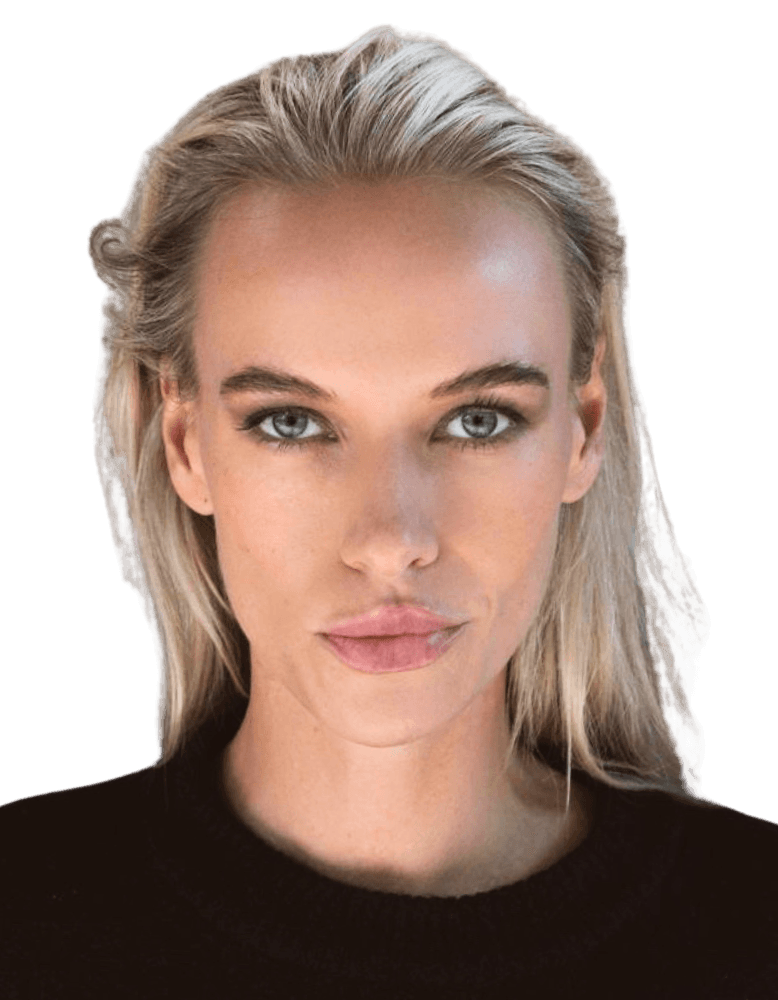
Arabella Thaïs is a PhD student in the Philosophy, Cosmology, and Consciousness programme at CIIS. Her work explores nonlinear and retrocausal time, depth cosmology, synchronicity, and the aesthetic structure of reality. She lectures for the Scientific and Medical Network and hosts The Cosmic Codex, a podcast at the intersection of psyche, myth, and cosmology. Her research develops an aesthetic metaphysics that synergistically contributes toward a new physics of time.
Emanations of the Infinite: Beauty and the Aesthetic Intelligence of the Cosmos
This paper advances a cosmological-aesthetic thesis grounded in Neoplatonism, German Idealism, and contemporary philosophy of mind: namely, that the universe is an aesthetic-poietic unfolding of consciousness, and that beauty is a primary mode of its self-disclosure. Drawing on Plotinus, Schelling, and the Romantic tradition, I argue that superlative aesthetic experience functions as a portal into Mind-at-Large, revealing the cosmos not as a completed object but as an eternal creative act, always becoming, yet paradoxically already realised in the unity of the Absolute.The first movement develops a Plotinian account of beauty as ontological radiance (to kalon), an emanation through which the One becomes intelligible in Nous. In this view, aesthetic experience is an oscillation of return, a recognition of the soul’s participation in the deeper structure of reality.The second movement situates this within the Schellingian and Romantic vision of nature as a living aesthetic event. Schelling’s insight that nature is visible spirit provides a metaphysical foundation for understanding beauty as the point of indifference between finite and infinite, mind and world.I extend this lineage by drawing on depth psychology to suggest that synchronistic or visionary experiences may constitute openings into the aesthetic intelligibility of the cosmos. Such events reveal a participatory universe in which consciousness and world co-emerge.Ultimately, I propose that beauty is a mode of cosmological disclosure, a metaphysical signal that consciousness is fundamental and relational. By reframing aesthetic experience as an encounter with the infinite, this paper argues that beauty offers a privileged pathway into reality’s underlying order.

Ayeh Kashani is a PhD Candidate in Philosophy and Religion at the California Institute of Integral Studies. Her dissertation, titled Birthing the Absolute, examines the intersection of Stanislav Grof’s transpersonal psychology and the Romantic Idealism of Friedrich Schelling. She holds a BS in Biology with a concentration in Neuroscience, a BA in Psychology, an MA in Philosophy, and has completed three years of medical training, an experience that continues to inform her work on consciousness and metaphysics.
From Medicine to Metaphysics: An Autocosmology of Consciousness
This autocosmological presentation follows the trajectory of my academic studies to undertake a metaphysical exploration of consciousness. Rather than beginning with abstract theory, I ground the conversation in lived experience by tracing my personal movement through biology, medicine, psychology, and philosophy.Beginning with my early training in biology and medicine, and the mechanistic worldview I inherited through those disciplines, I describe how working within that framework gradually led to a deep disillusionment, both with the medical system itself and with the scientific assumptions that shaped its understanding of consciousness. Following this unraveling, the talk follows my turn toward philosophy, where I began studying metaphysics and consciousness in search of a worldview that could hold the full range of my lived experience.Continuing this journey within philosophy, I draw on the psychology of Carl Jung and Stanislav Grof and on the metaphysics of Friedrich Schelling and his contemporaries to present an alternative cosmology that understands psyche and cosmos not as separate domains but as reflections of the same living and unfolding process. Throughout the presentation, I draw from my background in biology and medicine to make this organic worldview accessible to the audience.
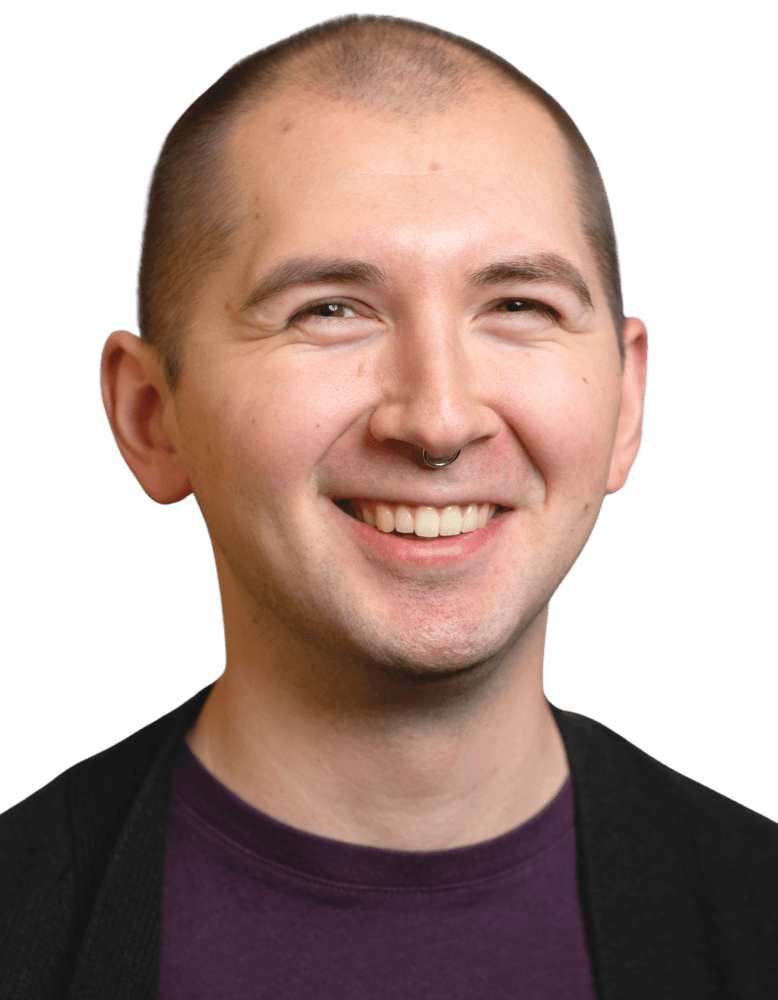
Benjamin Dueck is an Assistant Librarian in the Arts, Humanities, and Social Sciences Division at the University of Manitoba Libraries, where they work at the intersection of teaching, scholarly communication, and open publication. As an interdisciplinary liaison librarian, they support students and faculty through research consultations, information literacy instruction, and collaborative collection development. Benjamin is actively involved in open-access publishing initiatives, including the implementation and support of Open Journal Systems (OJS), with a particular interest in how open infrastructures can foster participatory forms of scholarship. Their research develops Integral Information Literacy, a pedagogical framework integrating process philosophy, contemplative practice, and extended mind theory. They hold a Master of Information from the University of Toronto (2021) and completed the Center for Process Studies’ Certificate Program in Process Thought & Practice (2024).
Learning Fields and the Extended Mind: A Process-Relational Model of Consciousness and Electromagnetic Resonance
This presentation proposes a process-relational, field-based model of consciousness grounded in my experiences as an educator. I develop the hypothesis that consciousness is not confined to the brain but emerges through dynamic resonance between the human organism and broader electromagnetic fields. The inquiry begins with Christopher Bache’s concept of “learning fields,” developed in The Living Classroom (2008) to describe the unintended affective resonances that arise between teachers and students when educators engage in forms of spiritual practice like yoga, meditation, and psychedelic gnosis. I suggest that these phenomena indicate that states of consciousness can extend beyond the individual body through field-like interactions. I proceed to situate this hypothesis within metaphysical and scientific frameworks drawn from process philosophy, transpersonal psychology, and consciousness studies. Beginning with John Buchanan’s description of the psyche as a “complex amplifier” (Processing Reality, 2022), I conceptualize consciousness as a fundamental property of the cosmic electromagnetic field. To provide a physiological account, I introduce Shelli Renee Joye’s Holoflux Theory of Consciousness to describe the human body as a modulator of nested electromagnetic fields through which the electrical activity of the brain and the magnetic activity of the heart work together to amplify a variety of conscious states. Finally, I draw on my training in the householder Kriya Yoga tradition of Shyama Charan Lahiri Mahasaya, and my experiences working with 5-MeO-DMT as part of the Psychedelic Meditation Institute, to examine how experiences of nonduality may catalyze energetic coherence by producing entrainment between breath, cardiac rhythms, and neural electrical activity. Returning to Bache’s concept of learning fields, I conclude with the idea that educators may shape learning environments through physiological resonance rather than the transmission of information alone.
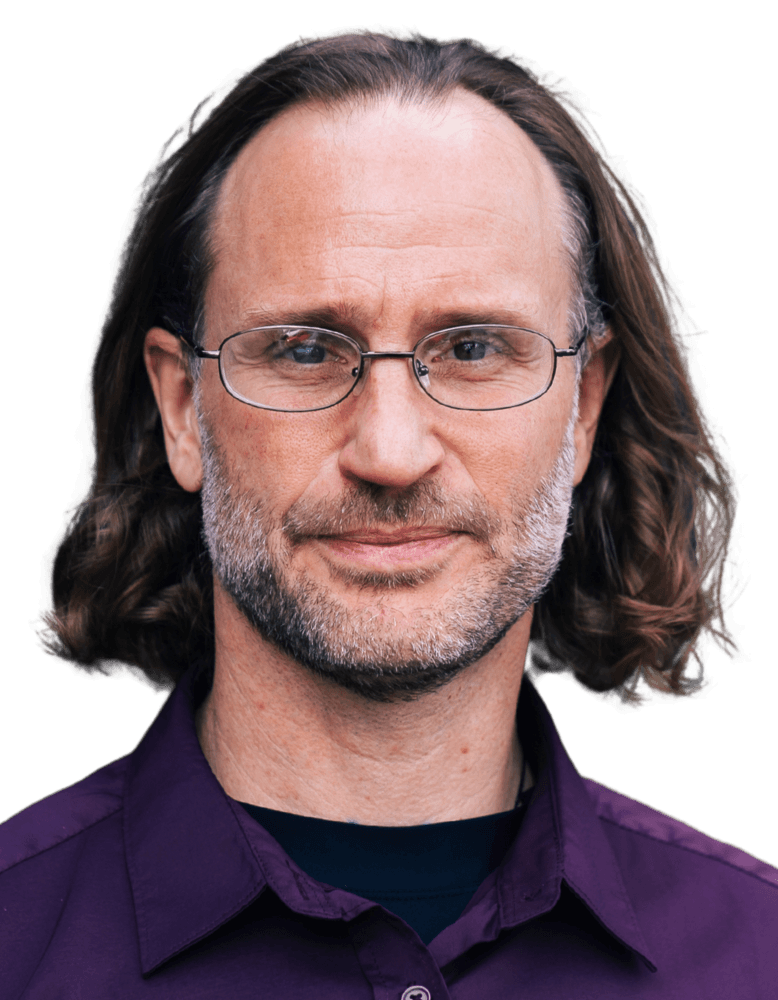
Brian Tierney, PhD is a licensed psychologist, somatic clinician, and neuroscience educator. He teaches neuroscience and somatic psychology at the California Institute of Integral Studies and maintains a clinical and training practice focused on trauma, development, and embodied relational processes. His interdisciplinary work draws on philosophy of immanence, evolutionary biology, embryology, biosemiotics, and mythological studies to examine consciousness as a multi-scale, relational phenomenon. He is particularly interested in how biological organization, archetypal patterning, and social fields intersect through processes of sense-making, paradox, and transformation. His forthcoming book, Visionary Somatics, develops a field-based approach to consciousness that integrates neuroscience, embodied practice, and philosophical ontology.
Paradox at the Origin: Astrobiosemiotics, Immanence, and the Trickster Dynamics of Mind-at-Large
The re-emergence of “mind-at-large” invites a rethinking of consciousness not as a localized faculty but as a creative tension within relational webs spanning biological, ecological, and cosmic scales. This paper advances an astrobiosemiotic and Deleuzian account of consciousness grounded in immanence, paradox, and relational realism, arguing that mind emerges through generative instability rather than stable structure alone.Drawing on evolutionary biology, embryology, and origin-of-life research, I examine a central paradox articulated by Jaime Cofré: during the Cambrian explosion, cancer and embryogenesis co-emerged, such that the embryo may be understood as a benign tumor. On this view, cancer was not a pathological deviation but a necessary evolutionary pressure enabling multicellularity. Biological organization thus appears as a semiotic negotiation between unbounded proliferation and coherent form—a dynamic echoed across scales.Within this framework, I introduce the magus archetype as a biocosmic principle of mutation, chance, and intensive germinal influx, resonant with Deleuze’s account of sorcery and becoming. Nested within the magus is the trickster, an anti-structural force that disrupts codes, breaks symmetries, and destabilizes identity formations. At the biological level, this dynamic is illustrated through the emergence of the notochord, understood simultaneously as a profound structural innovation and a form of semiotic capture that consolidates developmental symmetries through gene-regulatory mega-codes.Astrobiosemiotically, the trickster operates as a symmetry-breaking force across cosmic, biological, and cultural domains, while its opposing tendency stabilizes form and identity. Consciousness, on this account, is neither reducible to chaos nor structure but arises as creative tension within assemblages—rendering paradox not pathological, but generative of mind-at-large.

Eirini Ketzitzidou Argyri is a PhD candidate in Psychology at the University of Exeter. Her research examines how psychedelic experiences can unsettle deeply held ontological assumptions, opening both vulnerability and possibility in how people understand mind, meaning, and reality. Drawing on qualitative and mixed-methods research, she has published on ontological shock and post-psychedelic worldview changes, with a focus on supporting the integration of challenging psychedelic experiences. Working at the intersection of psychology, phenomenology, and participatory approaches, Eirini’s research investigates how destabilising experiences may expand relational awareness while also requiring cultural and relational scaffolding. Beyond academia, Eirini contributes to psychedelic harm-reduction and integration initiatives dedicated to cultivating relational, reflective, and ethically responsible responses to altered-state experiences.
Ontological Shock as a Doorway to Mind-at-Large: Lessons from Psychedelic Experiences
Psychedelic experiences can precipitate a profound disturbance in one’s assumed ontology, which has been termed ontological shock. This paper argues that such destabilisations can offer rare windows into a broader ecology of mind. Drawing on qualitative research with individuals who have undergone challenging psychedelic experiences and insights from practitioners supporting their integration, I explore how ontological disruption can expand the range of perceived possible realities, loosen habitual commitments to consensus reality, and open individuals to relational and animist modes of awareness.These experiences can be understood as both ontologically challenging and diversifying: they can function as experiential laboratories in which the human mind glimpses itself as embedded within a wider, intrinsically meaningful cosmos. However, these openings are ambivalent: without adequate scaffolding, they can lead to confusion, distress, or fragmentation. With relational, cultural, and institutional support, they may instead seed integration, a sense of purpose, and care for planetary life.I ask whether ontological shock may be less a breakdown than a catalyst for transformative learning, revealing mind as a relational field that permeates and shapes reality itself. Grounded in lived experience reports, this paper calls for dialogue between psychedelic science, Indigenous relational ontologies, and contemporary philosophy of mind.

Iga Ogiejm-Oheim is a master’s student in Political Theory at the University of Amsterdam, where her research focuses on systems theory, cosmotechnics, and the metaphysics of subjectivity. Her work explores how technological modernity reshapes psychic and social individuation, drawing on thinkers such as Niklas Luhmann, Yuk Hui, Simondon, and Daoist philosophy. She is currently developing a broader project on pluralising the psychic system and rethinking contingency, transformation, and meaning in the context of contemporary technics.
Cosmotechnics and the Pluralisation of Individuation: Reinterpreting Simondon Beyond Eurocentric Technics
This presentation argues that contemporary subjectivity cannot be understood without a pluralised account of technical individuation. Drawing on Gilbert Simondon’s philosophy of individuation, I challenge the dominant Western assumption that technology is a universal, neutral, and purely informational domain. While first-order cybernetics framed technics through stability, control, and homeostasis, Simondon reopens the question of individuation by emphasising contingency, metastability, and ongoing becoming. Building on this, I turn to Yuk Hui’s concept of cosmotechnics, which situates technics within culturally and cosmologically distinct regimes of sense-making.Firstly, I will show how Western technics, through cybernetics and Heidegger’s notion of “enframing”, reduces individuation to information, thereby suppressing the pre-individual field of potentiality. Secondly, I drawing on Malespina’s theorisation of noise, I will argue that the epistemic foundations of contemporary digital environments further codify the subject through logics of optimisation. Noise, in this account, becomes a crucial site of contingency resisting universalist technological rationality. Finally, I outline alternative modes of individuation by engaging Daoist cosmology as an example of a non-Eurocentric technics in which technical activity participates in cosmic and moral resonance rather than enframing.By bringing Simondon, Hui, Malaspina, Heidegger, and Daoist philosophy into dialogue, I argue for a plural and culturally situated understanding of technics that re-opens the field of ontogenesis. Such a framework makes possible technological futures that do not replicate Western metaphysical assumptions but cultivate multiple modes of becoming and relationality.

Kent Bye is an oral historian, independent scholar, and experiential journalist who has published over 1700 Voices of VR podcast interviews with immersive artists, storytellers, scientists, and philosophers reflecting on the human experience through emerging technologies like virtual reality and artificial intelligence. He speaks around the world on experiential design and immersive storytelling, and has also recorded over 250 interviews with astrologers, 120 AI researchers, 60 mathematicians, and 50 consciousness researchers exploring the philosophy of mind, philosophy of math, and philosophy of astrology. He has written his own astrology software since 2013 to track the unfolding cycles, and recently presented a talk to the National Council for Geocosmic Research titled “How Astrology Works: Process-Relational Foundations with Whitehead, Jung & Plato.”
Archetypal Process: Astrology as a Framework for Panexperientialism
Stanislov Grof referred to astrology as the “long-sought “Rosetta stone” of consciousness research”, while Carl Jung said “astrology represents the summation of all the psychological knowledge of antiquity.” In this talk, Kent Bye will explore the process-relational foundations of astrology by unpacking Jung’s seven different explanations of astrology through the lens of Whitehead’s Process Philosophy, Tarnas’ Archetypal Astrology, Griffith’s “Archetypal Process,” Eastman’s Logoi Framework, and Primas’ Philosophy of Time.The Greeks had two words for time including Chronos as the objective measurement of time, and Kairos as the qualitative experience of time. Primas states “a full understanding of time requires a non-boolean framework” represented by “non-sequential time,” which Bergson referred to as “duration,” Jung as “archetypes,” and Whitehead as “eternal objects.” Whitehead’s event ontology uses a diachronic model of time, and astrology provides spatial metaphors to interrogate the timing and underlying character of these unfolding cycles that are unique to each person.Bye has generalized astrology into an experiential design framework in the context of immersive storytelling that includes the qualities of presence (elements), contextual domains (houses), archetypal character (planets), and story (unfolding processes and relational dynamics). His elemental theory of presence is a robust phenomenological framework that breaks experience down into behaviors (fire), cognitive process & social dynamics (air), emotions (water), and embodied, sensory experiences embedded within an environmental context (earth). He expands the archetypal foundations of the elements through Aristotle’s four causes and the Quadrivium resulting in a four-fold elemental framework that can be used to move beyond mind-body dualisms, and to create a generalizable model of experience for panexperientialism.

Keren Lucy Bester is a PhD candidate at the University of Dundee and the 2025–26 Fellow at the Foundation for Philosophical Orientation. She works at the intersection of olfaction, ontology and orientation. Her project, Smelling Metaphysical Lies, challenges the dominance of visual metaphysics and reimagines our relationship to reality via the sense of smell. She proposes that olfaction, the most ancient of the senses, uniquely orients us to living processes and embeds us within a living lineage instead of at the top of an evolutionary hierarchy. She develops a metabolic process theory of olfaction that bridges the phenomenological gap in life–mind continuity and presents olfaction as a model for orientational capacities shared across the living spectrum.
Smell as Simple Physical Feeling
Contemporary philosophy of perception continues to privilege vision as its implicit model, reinforcing a metaphysics of discrete objects, representational mediation, and transcendent meaning. Even embodied approaches often retain a residual bifurcation between internal and external, organism and environment, perception and biology. This paper argues that chemosensory experience—specifically olfaction—offers a concrete counterexample to this visual metaphysics, disclosing instead a reality of differential processes, immanent relations, and bodily continuity.Drawing on Alfred North Whitehead’s account of perception, I propose that olfaction exemplifies perception predominantly in the mode of causal efficacy rather than presentational immediacy. Unlike vision, smell does not primarily present discrete objects for identification, but involves the bodily uptake of volatile compounds that participate directly in metabolic regulation and affective modulation. Olfactory experience is therefore better understood not as representational access to external properties, but as participation in ongoing processes of becoming.I argue that this makes olfaction a privileged phenomenal site for understanding what Whitehead calls simple physical feelings. Empirical findings from affective chemosignalling research—such as the transfer of fear or the modulation of aggression through exposure to tears—are interpreted not as cases of unconscious inference or symbolic decoding, but as instances of felt causal transmission across bodies. By foregrounding olfaction, I suggest that Whitehead’s process ontology finds empirical resonance in a sensory modality that resists objectification and representation. Smell thus offers a lived entry point into a metaphysics of immanence in which mind unfolds within, rather than over against, the metabolic life of the world.
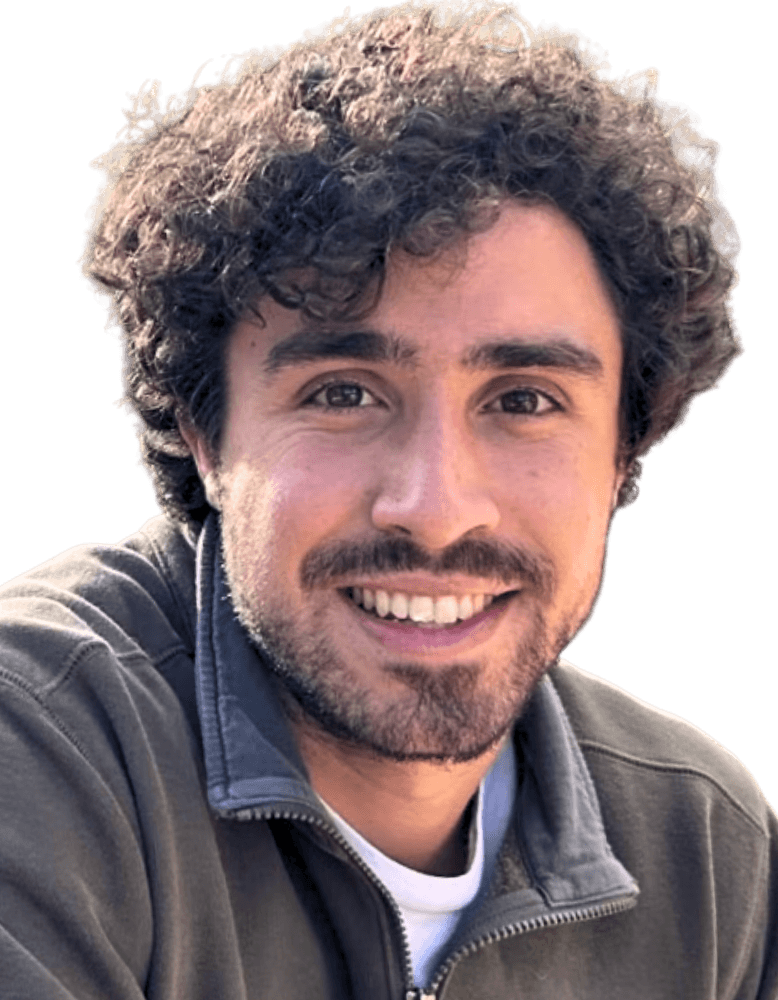
Pedro Brea, PhD is a Lecturer at the University of Colorado’s Boulder and Denver campuses. His research focuses on the ontology and axiology of process philosophy. Some of his recent publications include papers on Bergson and Deleuze based on his doctoral dissertation, where he developed a process-relational critique of energy concepts in physics and philosophy. These works serve as the foundation for his current pursuit of a process ontology of energy. He is also interested in metaethics and aesthetics, and is inspired on this front especially by Henri Bergson, Simone Weil, Iris Murdoch, and Plato. His interest in the philosophy of mind stems from his belief that an embodied account of consciousness is necessary to bridge the gap between ontology and ethics that is a hallmark of the bifurcation of nature. The work he is presenting at the Mind-at-Large Conference is his first attempt to bridge ethics, process ontology, and embodied phenomenology in one place.
Embodied Consciousness and the Process Metaphysics of Dehumanization: A Multinaturalist Approach
This paper combines Maurice Merleau-Ponty’s embodied phenomenology and late ontology with Eduardo Viveiros de Castro’s post-structural anthropology to develop a process-relational account of dehumanization. Drawing on Cannibal Metaphysics, I contrast traditional European multiculturalist anthropology (which assumes many subjective viewpoints on a single objective reality) with Viveiros de Castro’s “multinaturalism,” which claims that culture/subjectivity is the universal and nature the particular. In this perspectival framework, every species perceives itself as human, and a being’s intersubjective status as human depends on one’s position within a network of predator–prey relations. I argue that this multinaturalist conception of dehumanization can be combined with Merleau-Ponty’s embodied phenomenology and ontology of the flesh, to show that dehumanization is a relational/epistemological category that can be ingressed (in the Whiteheadian sense) into the intersubjective field of embodied perception. In this way, dehumanization is understood as a transformation of the intersubjective field through which beings recognize one another as subjects.
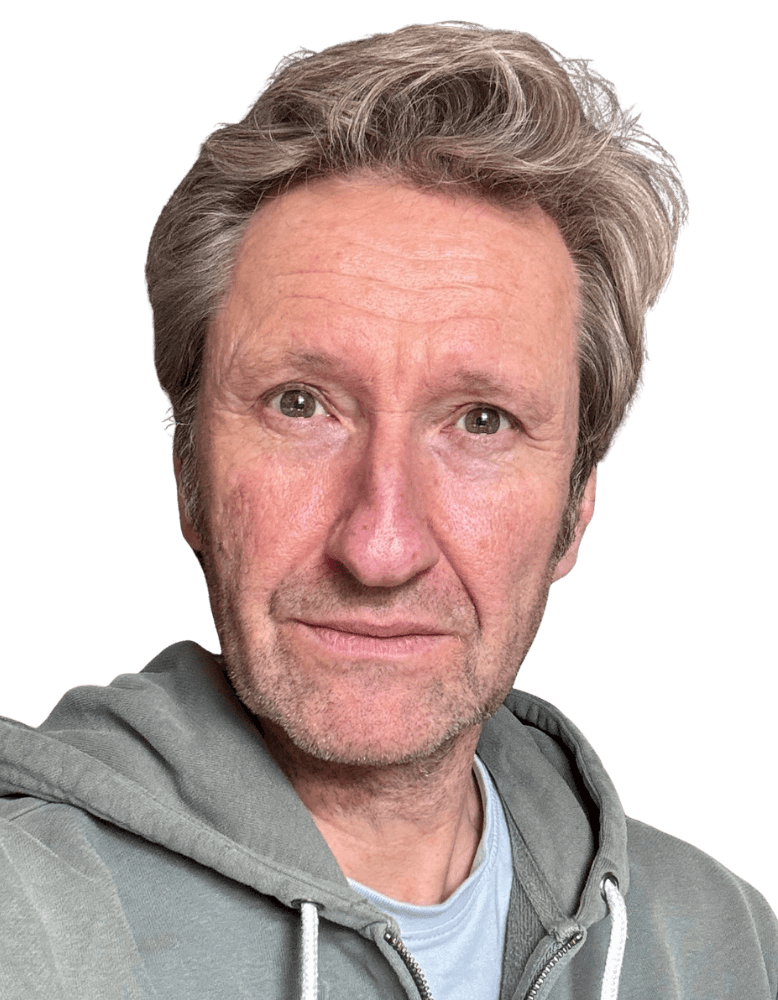
Robert Pepperell, PhD is a Research Professor at Cardiff Metropolitan University, where he leads a multidisciplinary research team. An artist and theorist trained at the Slade School of Art, his research investigates the nature of consciousness and visual perception through the intersection of art, philosophy, and science. He is noted for his influential book The Posthuman Condition: Consciousness Beyond the Brain (1995) and his recent publication What Matter Feels: Consciousness, Energy and Physics (2024), which proposes an energy-centric framework for explaining mind-matter relations. His artwork has been exhibited internationally at venues including Ars Electronica and the Barbican Gallery.
Psychophysicalism: A Methodological Framework for the Scientific Study of Experience
Following the forms of psychophysical parallelism proposed by Baruch Spinoza, Gustav Fechner and others, this talk presents a psychophysicalist framework designed to model the psychological behavior of systems in strict parallel with their physical behavior. Taking experience to be a basic property of nature, the framework operationalises psychophysicalism as a scientific method: for any physical process describable in terms of energy, work, and thermodynamic variables, we construct a corresponding set of intrinsic experiential quantities. This approach aims to make experience a quantitatively tractable target for scientific modeling without necessarily committing to a specific metaphysical theory of mind, such as panpsychism or dual-aspect monism, though it remains compatible with them.The framework formally extends the scope of standard physics by introducing an Experiential Mechanics that defines intrinsic counterparts to Newtonian quantities—mapping Energy to Experience, Mass to Will, and Force to Conflict—and establishes ‘Laws of Experience’ that strictly parallel Newton’s Laws of Motion. The framework is further extended by introducing an Experiential Psychodynamics which proposes psychological parallels to thermodynamic quantities, mapping Temperature to Arousal, Pressure to Constraint, and Free Energy to Potency.A central innovation of relevance to process philosophy is the introduction of the experiential property of Conatus. This is defined as a system’s intrinsic desire or orientation toward Repose, which parallels mechanical or thermodynamic equilibrium. Unlike some of the proposed experiential properties, such as Distress and Relief, which have hedonic valence and arise only during change, Conatus represents a valence-neutral striving that persists even in static non-equilibrium states. Furthermore, the framework proposes that the qualitative asymmetry between Relief (Conatus-satisfaction) and Distress (Conatus-frustration) determines an intrinsic e
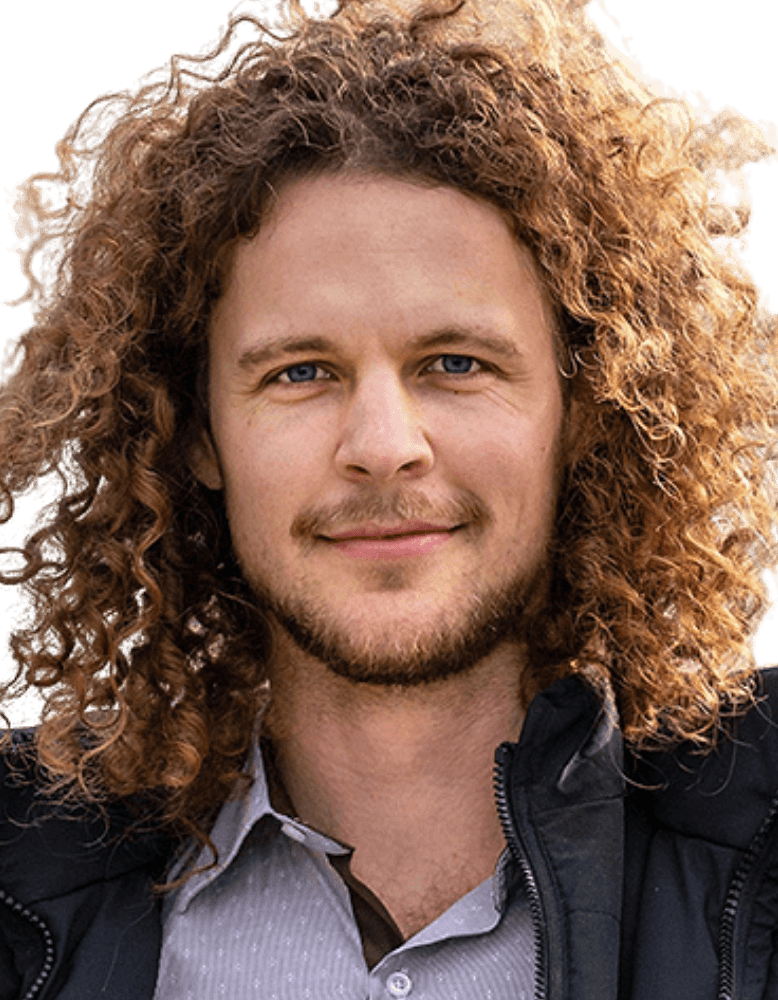
Sam van Beljouw, PhD is a molecular biologist investigating how viruses and other mobile genetic elements generate novelty. With a multidisciplinary background in philosophy, engineering, biotechnology and molecular biology, Sam explores how these elements blur the boundaries between organism, genome and environment.
The Phenomenology of Mobile Genetic Elements (Co-Presentation with Simon van der Els)
This talk explores a method for accessing the interiority of molecular biology, using mobile genetic elements (MGEs) as our model. MGEs are genetic organisms, such as viruses and transposons, that move between hosts and reshape genomes. Though some consist of only thousands of atoms, they display adaptive behaviors, occupying the threshold between the physical and biological, offering a vantage point to examine the ambiguity of living and non-living.Our inquiry adopts a dual-aspect monist perspective: every phenomenon has exterior and interior dimensions. As molecular biologists trained to study MGEs externally, we asked how understanding might deepen by exploring their interiority. We drew on cosmopsychism, which posits mind as fundamental, with the human mind as one expression of a universal interior. If the interior of all is continuous, first-person practices may allow access to other entities’ modes of being.In collaboration, we piloted a shamanic protocol to contact MGEs’ interiority, involving altered states through shared attention and entrainment, subtle somatic sensing, and active imagination. Preliminary phenomenological data revealed a trickster-like intelligence: playful, evasive, and fluid, manifesting as wave-like, plasmic structures inviting participation rather than analysis. Science describes MGEs as replicating, disrupting, generating, and mixing, in other words, transgressing boundaries. Their phenomenology clearly mirrored this behavior.We interpret this as communication from mind-at-large, raising epistemic questions: How distinguish authentic encounter from imagination? How can experiential data be integrated into science? How can the scientific mind be prepared for interior exploration?By integrating interior and exterior approaches, molecular biology can be enriched, not by replacing empirical methods, but by expanding them to include interior data, allowing the object of study to also be recognized as a subject.

Simon van der Els, PhD is a molecular biologist and shamanic practitioner. Currently convinced that improving human-and rest of nature relations is a key path to navigating the Metacrisis, he is dedicated to exploring and creating old and novel ways of deep nature communication.
The Phenomenology of Mobile Genetic Elements (Co-Presentation with Sam van Beljouw)
This talk explores a method for accessing the interiority of molecular biology, using mobile genetic elements (MGEs) as our model. MGEs are genetic organisms, such as viruses and transposons, that move between hosts and reshape genomes. Though some consist of only thousands of atoms, they display adaptive behaviors, occupying the threshold between the physical and biological, offering a vantage point to examine the ambiguity of living and non-living.Our inquiry adopts a dual-aspect monist perspective: every phenomenon has exterior and interior dimensions. As molecular biologists trained to study MGEs externally, we asked how understanding might deepen by exploring their interiority. We drew on cosmopsychism, which posits mind as fundamental, with the human mind as one expression of a universal interior. If the interior of all is continuous, first-person practices may allow access to other entities’ modes of being.In collaboration, we piloted a shamanic protocol to contact MGEs’ interiority, involving altered states through shared attention and entrainment, subtle somatic sensing, and active imagination. Preliminary phenomenological data revealed a trickster-like intelligence: playful, evasive, and fluid, manifesting as wave-like, plasmic structures inviting participation rather than analysis. Science describes MGEs as replicating, disrupting, generating, and mixing, in other words, transgressing boundaries. Their phenomenology clearly mirrored this behavior.We interpret this as communication from mind-at-large, raising epistemic questions: How distinguish authentic encounter from imagination? How can experiential data be integrated into science? How can the scientific mind be prepared for interior exploration?By integrating interior and exterior approaches, molecular biology can be enriched, not by replacing empirical methods, but by expanding them to include interior data, allowing the object of study to also be recognized as a subject.
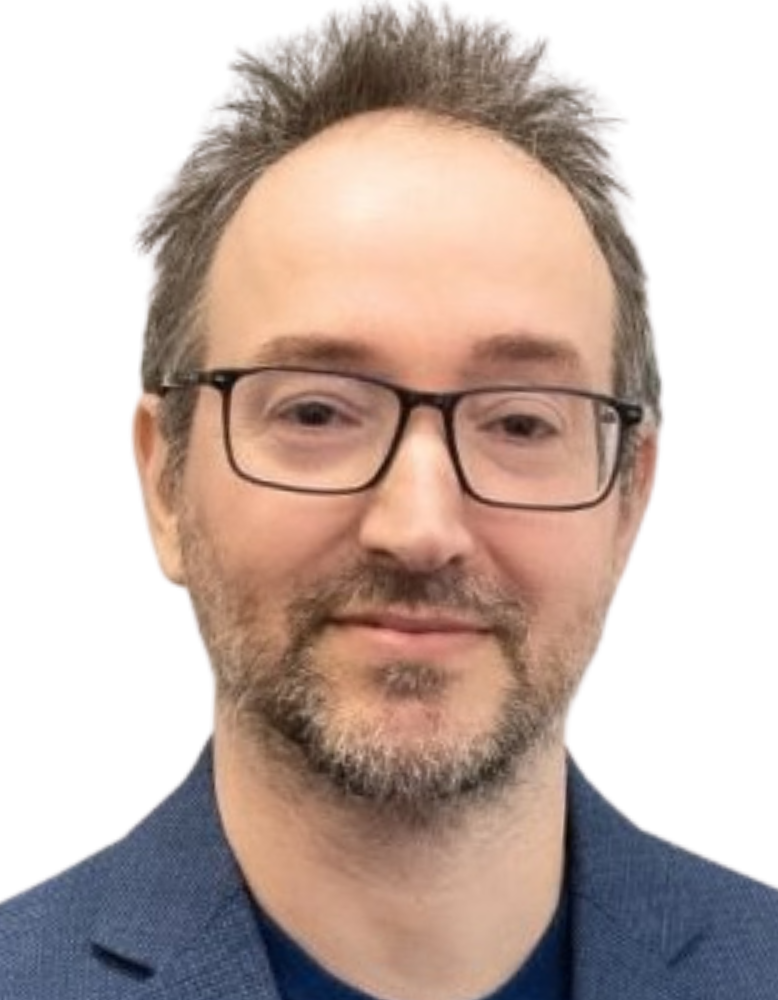
William Rubel, PhD is an associate professor and department lead in philosophy, literature, and mythology. Mentored at Columbia University by pioneering ecocritic (and brother of Ursula K. Le Guin) Karl Kroeber, his dissertation Romancing Modernity: Poetry, Process, and Postsecularism (UBC, 2018) forged new contexts in romantic studies and process philosophy. He has been a visiting scholar at Amherst College (Amherst, MA) and at the Central Institute of Higher Tibetan Studies (Sarnath, India), and a recipient of a Francisco J. Varela Award from the Mind and Life Institute. He has a forthcoming chapter, “Joyce, Whitehead, Blake, and the Transmissions of Counter-Modernity” in Understanding Whitehead, Understanding Modernism (Bloomsbury), and has been published in Process Studies, Joyland Magazine, Blake, an Illustrated Quarterly, and Vala, the Journal of the Blake Society. A playwright and current MFA candidate in Creative Writing and Theatre at the University of British Columbia, his latest project is a work of Blakean eco-theatre, entitled Robin Redbreast in a Cage with performances scheduled for spring 2026.
Romancing Modernity: Reactivating Speculative Imagination
This paper argues that British Romantic poetry reopened the question of ecological consciousness at precisely the historical moment when it was being foreclosed by what Alfred North Whitehead later called the modern or “sensationalist doctrine”: the reduction of experience to private sensation and of sensation to perception. Against this constriction, Romantic writers articulate an alternative model in which the event of attention is not private but “etho-ecological” (Stengers). The paper further argues that the unworkability of the conceptual tools of modernity cannot be addressed without acknowledging the extent to which those tools are designed to disqualify ecological consciousness, a disqualification mirrored in the modern association of romanticism with lyrical self-indulgence. The insistent drive of romantic poetry is, rather, to undo the tacit modern bar on etho-ecological modes of attention. Once institutionalized within academic secularism, this bar becomes second nature, shaping what can count as knowledge while quietly foreclosing participatory and relational accounts of mind.In the present moment of eco-anxiety, I argue, speculative philosophy offers resources for romancing modernity: recognizing and contesting our attachment to what Stengers, after Whitehead, names the “truth that hurts,” the assumption that ecological consciousness is a luxury or fantasy rather than an urgently necessary alternative to ecocide. Romantic poetry, for which imagination signals a mode of attention to more-than-human interrelations, thus emerges as an unfinished counter-modernity vital to Donna Haraway and Isabelle Stengers’s call to reactivate the speculative imagination.
Schedule
Time (CT) | Day 1 April 15 | Framing | Day 2 April 16 | Deepening | Day 3 April 17 | Synthesis |
|---|---|---|---|
8:00 AM–8:10 AM | Welcome Andrew M. Davis | Welcome Andrew M. Davis | Welcome Andrew M. Davis |
8:10 AM–8:40 AM | Mind-at-Large Talk 1 Peter Sjöstedt-Hughes “Mind at Large: Etymology and Cosmology” | Mind-at-Large Talk 2 Jared Morningstar “Islamic Visions of a Mind-Centric Cosmos” | Mind-at-Large Talk 3 Matt Segall “Human Consciousness in a Cybernetic Age” |
8:40 AM–8:50 AM | Q&A | Q&A | Q&A |
8:50 AM–9:00 AM | Break | Break | Break |
9:00 AM–9:45 AM | Plenary 1 Philip Goff | Plenary 4 Iain McGilchrist | Plenary 7 Andrew M. Davis |
9:45 AM–10:00 AM | Q&A | Q&A | Q&A |
10:00 AM–11:00 AM | Emerging Perspect. 1 Philosophy of Mind & Mind-at-Large Frameworks Ali Khalilian Najafabadi “Can a Brain in a Vat Experience Anything? A Mind-at-Large Perspective” Robert Pepperell “Psychophysicalism: A Methodological Framework for the Scientific Study of Experience” Ayeh Kashani “From Medicine to Metaphysics: An Autocosmology of Consciousness” | Emerging Perspect. 3 Biology, Semiotics, and Non-Human Intelligence Sam van Beljouw and Simon van der Els “The Phenomenology of Mobile Genetic Elements” Brian Tierney “Paradox at the Origin: Astrobiosemiotics, Immanence, and the Trickster Dynamics of Mind-at-Large” Iga Ogiejm-Oheim “Cosmotechnics and the Pluralisation of Individuation: Reinterpreting Simondon Beyond Eurocentric Technics” | Emerging Perspect. 5 Mysticism, Psychedelics, and the Extraordinary Eirini Ketzitzidou Argyri “Ontological Shock as a Doorway to Mind-at-Large: Lessons from Psychedelic Experiences” Alberto Cavallarin “Is the noetic quality evidence for the reality of mystical experiences?” Ada Kałużna “Spontaneous epiphany: the mind-revealing visions of Hildegard von Bingen and Philip K. Dick” |
11:00 AM–11:30 AM | Q&A | Q&A | Q&A |
11:30 AM–1:00 PM | Break | Break | Break |
11:30 AM–1:00 PM | Virtual Meet & Greet | Virtual Meet & Greet | Virtual Meet & Greet |
1:00 PM–1:45 PM | Plenary 2 Curt Jaimungal | Plenary 5 Susan Blackmore | Plenary 8 Elly Vintiadis “What Does Our Framework Allow Us to Know? Framework Privilege and Epistemic Injustice” |
1:45 PM–2:00 PM | Q&A | Q&A | Q&A |
2:00 PM–3:00 PM | Emerging Perspect. 2 Embodiment, Process, and Relational Cognition Pedro Brea “Embodied Consciousness and the Process Metaphysics of Dehumanization: A Multinaturalist Approach” Benjamin Dueck “Learning Fields and the Extended Mind: A Process-Relational Model of Consciousness and Electromagnetic Resonance” Keren Lucy Bester “Smell as Simple Physical Feeling” | Emerging Perspect. 4 Re-Enchantment, Aesthetics, and Cosmology Arabella Thais “Emanations of the Infinite: Beauty and the Aesthetic Intelligence of the Cosmos” Kent Bye “Archetypal Process: Astrology as a Framework for Panexperientialism” William Rubel “Romancing Modernity: Reactivating Speculative Imagination” | Final Plenary Panel Peter Sjöstedt-Hughes Matt Segall Elly Vintiadis Jared Morningstar John Buchanan Tevin Naidu Moderator: Andrew M. Davis |
3:00 PM–3:30 PM | Q&A | Q&A | Concluding Remarks Andrew M. Davis |
3:30 PM–4:00 PM | Break | Break | |
4:00 PM–4:45 PM | Plenary 3 Àlex Gómez-Marín | Plenary 6 Ed Kelly | |
4:45 PM–5:00 PM | Q&A | Q&A | |
5:00 PM–6:00 PM | Plenary Panel Philip Goff Peter Sjöstedt-Hughes Àlex Gómez-Marín Moderator: Matt Segall | Plenary Panel Iain McGilchrist Matt Segall Ed Kelly Moderator: Curt Jaimungal | |
6:00 PM–6:05 PM | Closing Remarks Andrew M. Davis | Closing Remarks Andrew M. Davis |
Frequently Asked Questions
What Does My Ticket Get Me?
Purchasing a ticket to Mind-at-Large Project: A New Dawn provides you personal access to all live conference sessions listed on the schedule above, April 15-17, 2026, along with exclusive access to conference recordings after the event has concluded (see below for details).
How Do I Access the Virtual Conference?
Our conference is hosted via Zoom! When you purchase a ticket to attend, you will automatically be emailed with your link to access the conference sessions. NOTE: The link you receive after checkout is unique to your ticket—if you share this link with others, it will interfere with your ability to join the virtual sessions. Your unique link provides you access to all conference sessions over the course of the three day event with the exception of the interactive meet & greet opportunities where you are invited to turn on your cameras and discuss with your fellow attendees. You will receive reminder emails before the conference begins each day with your link to join the Zoom sessions.
Will Recordings be Available?
Yes, full conference recordings will be made available to attendees after the conference has concluded. Raw recordings will be available by Monday, April 27, 2026. A playlist of edited recordings, organized by session and speaker, will be available by June 30, 2026. If you didn’t attend the conference but would like to purchase access to recordings, you can do so here.
Do You Offer Refunds?
We do not offer refunds on ticket purchases for reasons including but not limited to the following: inability to attend live sessions, scheduling conflicts, internet connectivity issues, or dissatisfaction with the content of presentations or discussions. This policy reflects the nature of what your ticket provides: full recordings of all conference sessions are included with every ticket purchase and will remain accessible to you regardless of whether you attend live. We want to ensure that every attendee gets the full value of their ticket, on their own schedule. If the Mind-at-Large Project: A New Dawn Conference is cancelled or cannot be held as planned due to circumstances within our control, all ticket holders will receive a full refund.
If you have any questions about this policy prior to purchasing, please don’t hesitate to contact us.
Organizers