
Panentheism and Scientific Naturalism: Rethinking Evil, Morality, Religious Experience, Religious Pluralism, and the Academic Study of Religion
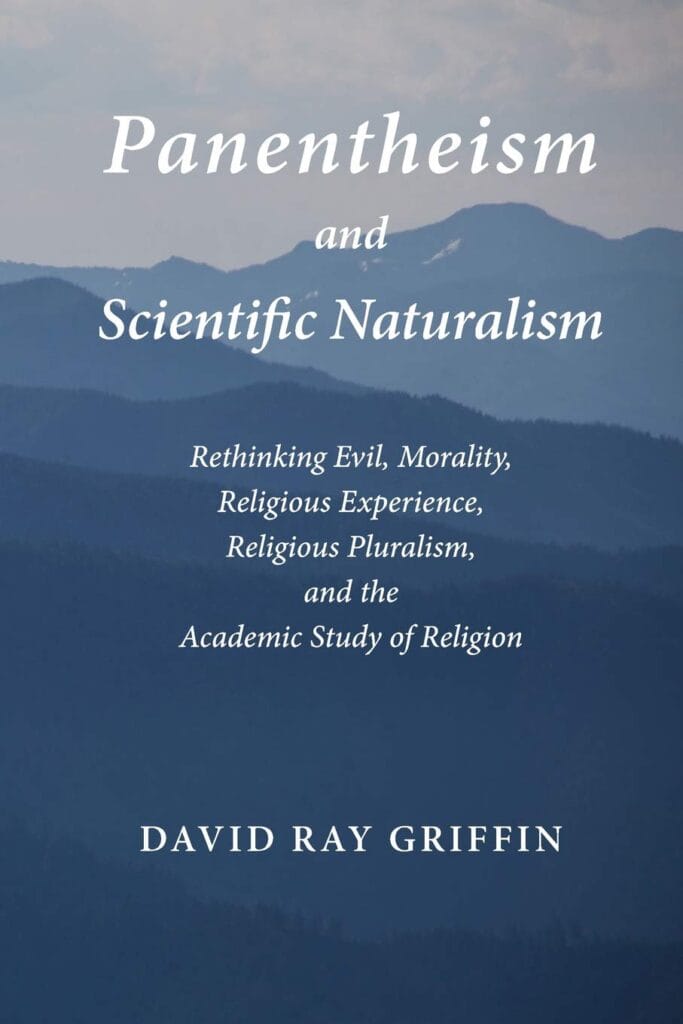
- By David Ray Griffin
- August 8, 2014
- Process Century Press
Can scientific naturalism, according to which there are no interruptions of the normal cause-effect relations, be compatible with divine activity, religious experience, and moral realism? Leading process philosopher of religion David Ray Griffin argues that panentheism provides the conceptual framework to overcome the perennial conflicts between these views, with important implications for religious pluralism, the problem of evil, and the academic study of religion. Panentheism—God as the soul of the world—explains how theism can be fully natural while still portraying God as distinct from and more than the world. Griffin’s Panentheism and Scientific Naturalism is an essential source for philosophers of religion and others seeking to reconcile faith with science and Christianity with other religions.
- Get a Copy of Panentheism and Scientific Naturalism: Rethinking Evil, Morality, Religious Experience, Religious Pluralism, and the Academic Study of Religion
About the Author(s)

Dr. David Ray Griffin is Professor of Philosophy of Religion and Theology, Emeritus, Claremont School of Theology and Claremont Graduate University in Claremont, California, where he remains a co-director of the Center for Process Studies. He has published (as author or editor) 36 books in theology, philosophy, philosophy of religion, the relation between science and religion, and social and political issues. Author of Panentheism and Scientific Naturalism, God Exists but Gawd Does Not, and Protecting Our Common, Sacred Home: Pope Francis and Process Thought.
More Books