
Discussion
Events
Calendar of Events
Sunday |
Monday |
Tuesday |
Wednesday |
Thursday |
Friday |
Saturday |
|---|---|---|---|---|---|---|
|
0 events,
|
0 events,
|
1 event,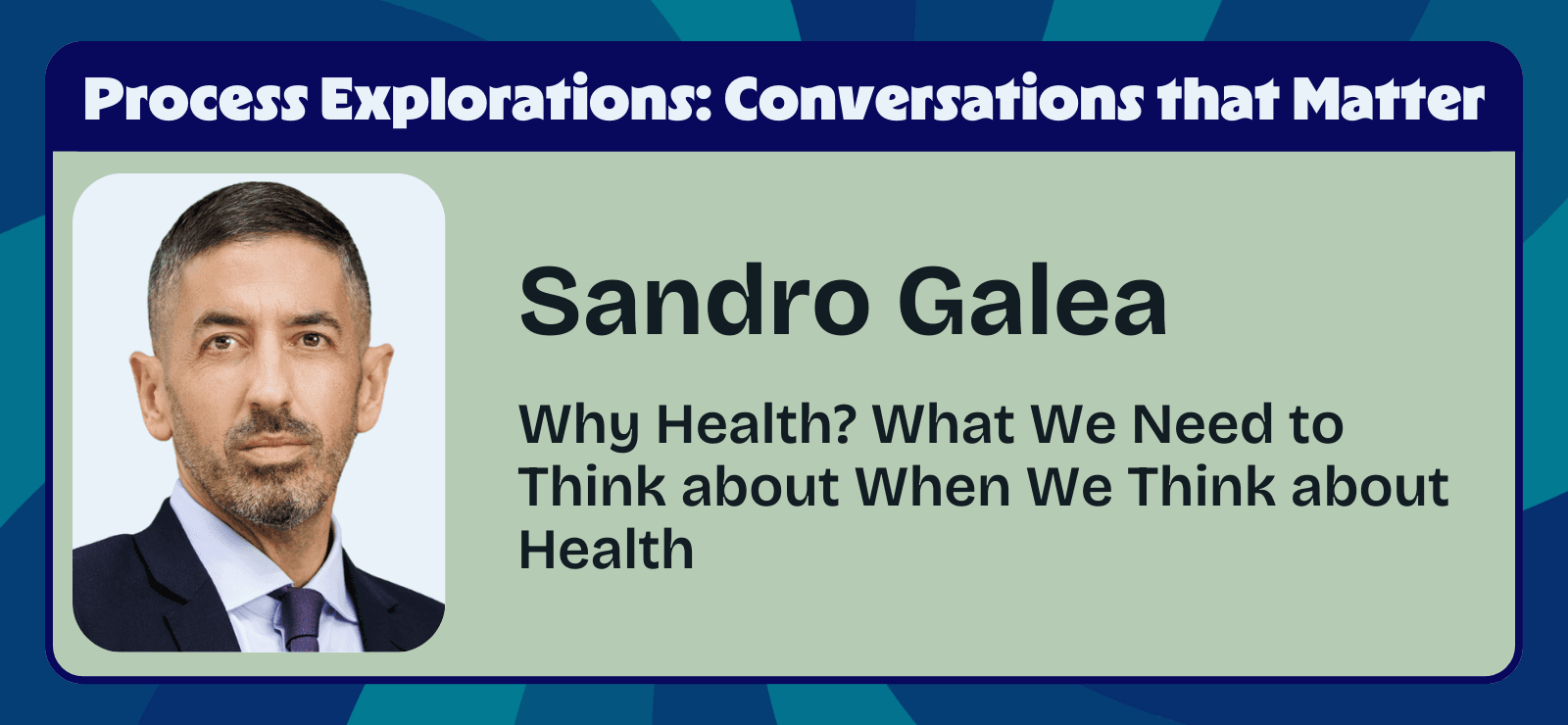 In this presentation Sandro Galea will discuss the philosophical foundations of health, why we value health, and the implications that has for our actions on health as a society.
Free |
0 events,
|
0 events,
|
0 events,
|
0 events,
|
|
0 events,
|
0 events,
|
1 event,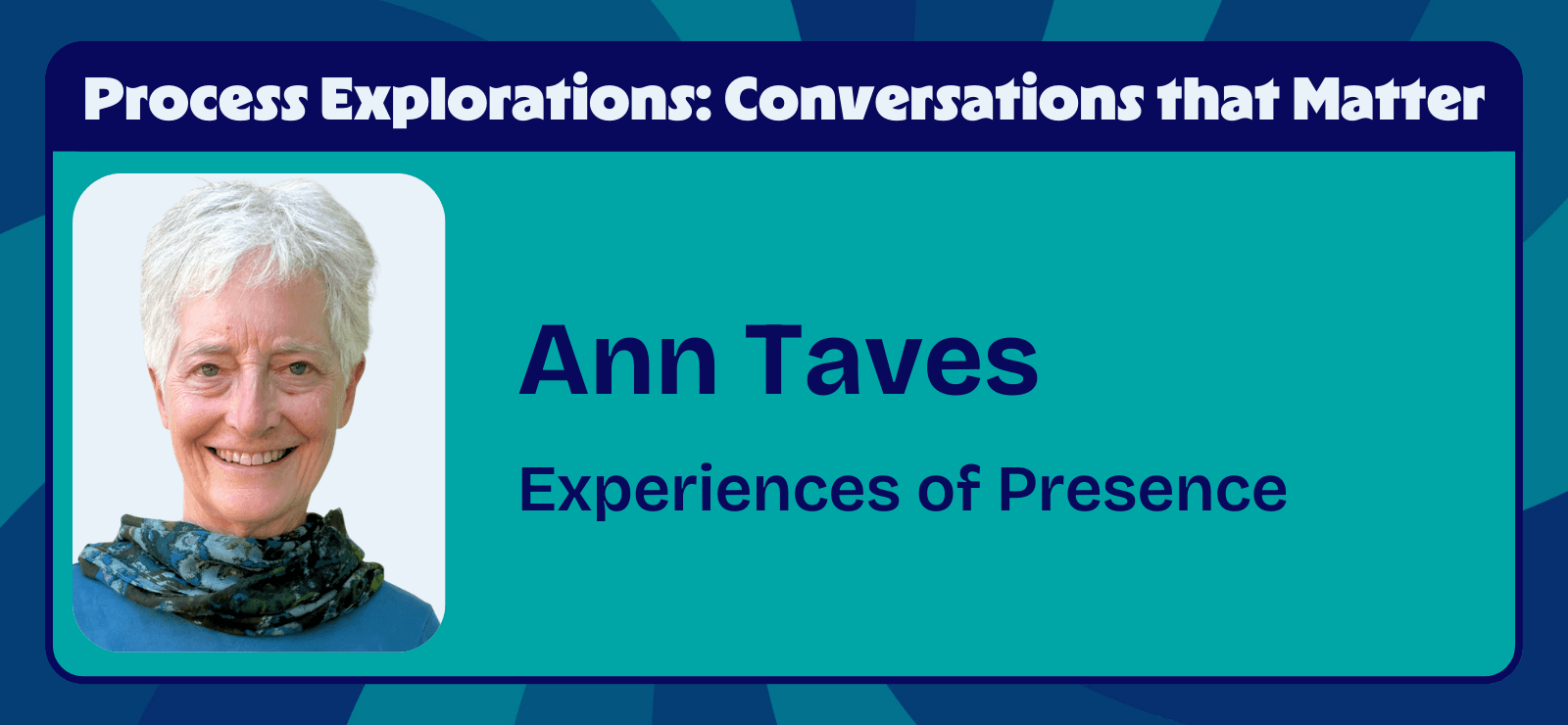 When people claim to have experienced the presence of a dead loved one, a deity, or other spiritual entity, the way they knew the presence was there can vary widely, regardless of who they thought was present. Some say that they just knew the presence was there. Others say they saw, heard, or felt the touch of the presence. Others explain that the entity signaled its presence by arousing unusual feelings or by causing unusual things to happen. As part of a research team that attempted to understand such experiences scientifically, Ann Taves and a collaborator developed a typology of presence experiences designed to enable researchers to distinguish the different types of experiences that they wanted to explain. In this talk, Taves will explain the typology using experiences drawn from her research to illustrate and discuss how considering experiences as events can help us to understand the factors that interact to produce experiences of known presences.
Free |
0 events,
|
0 events,
|
0 events,
|
0 events,
|
|
0 events,
|
0 events,
|
1 event,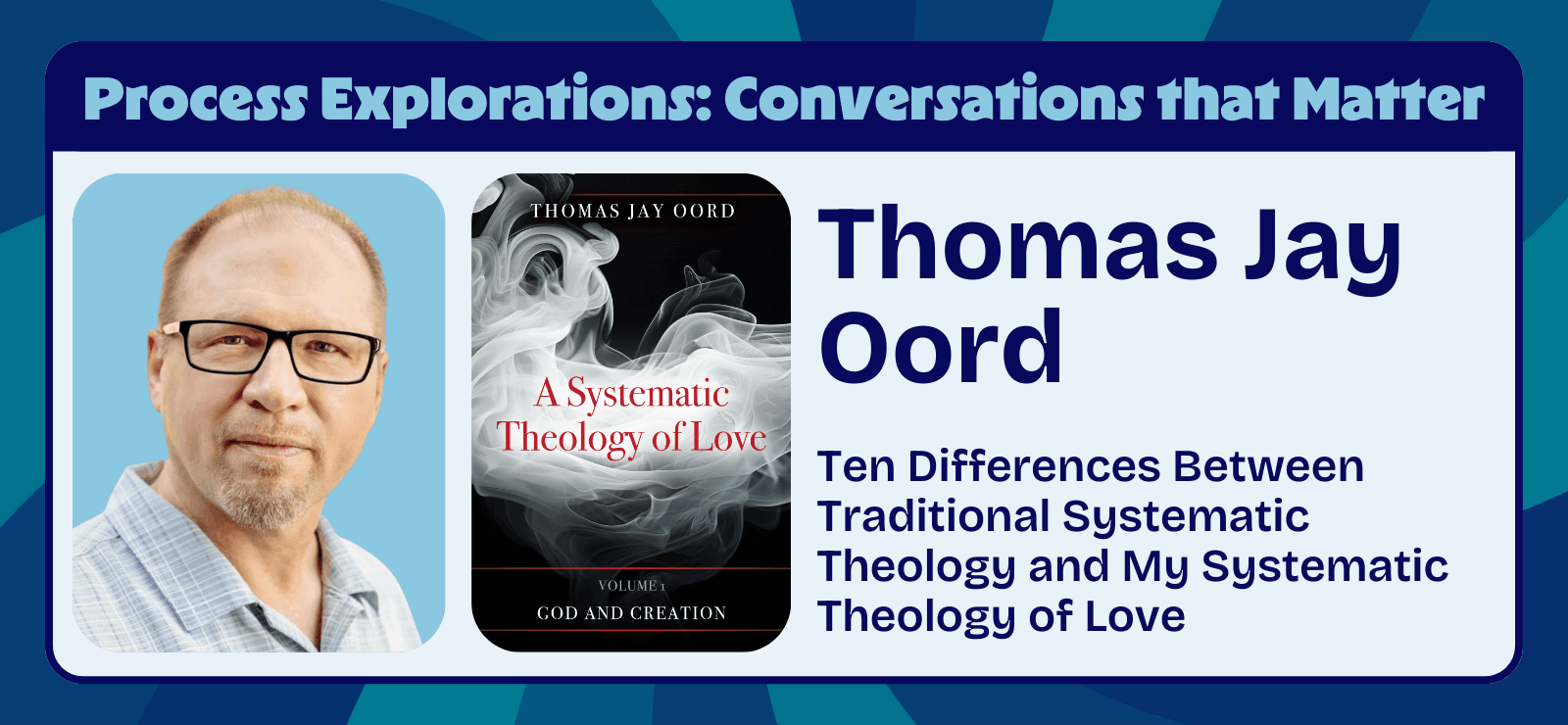 The shift from theologies oriented around controlling power to one oriented around uncontrolling love radically reshapes what systematic theology can be. It centers experience in bold ways, and not just the experiences of white men. In this session, Thomas Jay Oord explores ten differences between his systematic theology of love and traditional systematic theologies.
Free |
0 events,
|
0 events,
|
0 events,
|
0 events,
|
|
0 events,
|
0 events,
|
1 event,
–
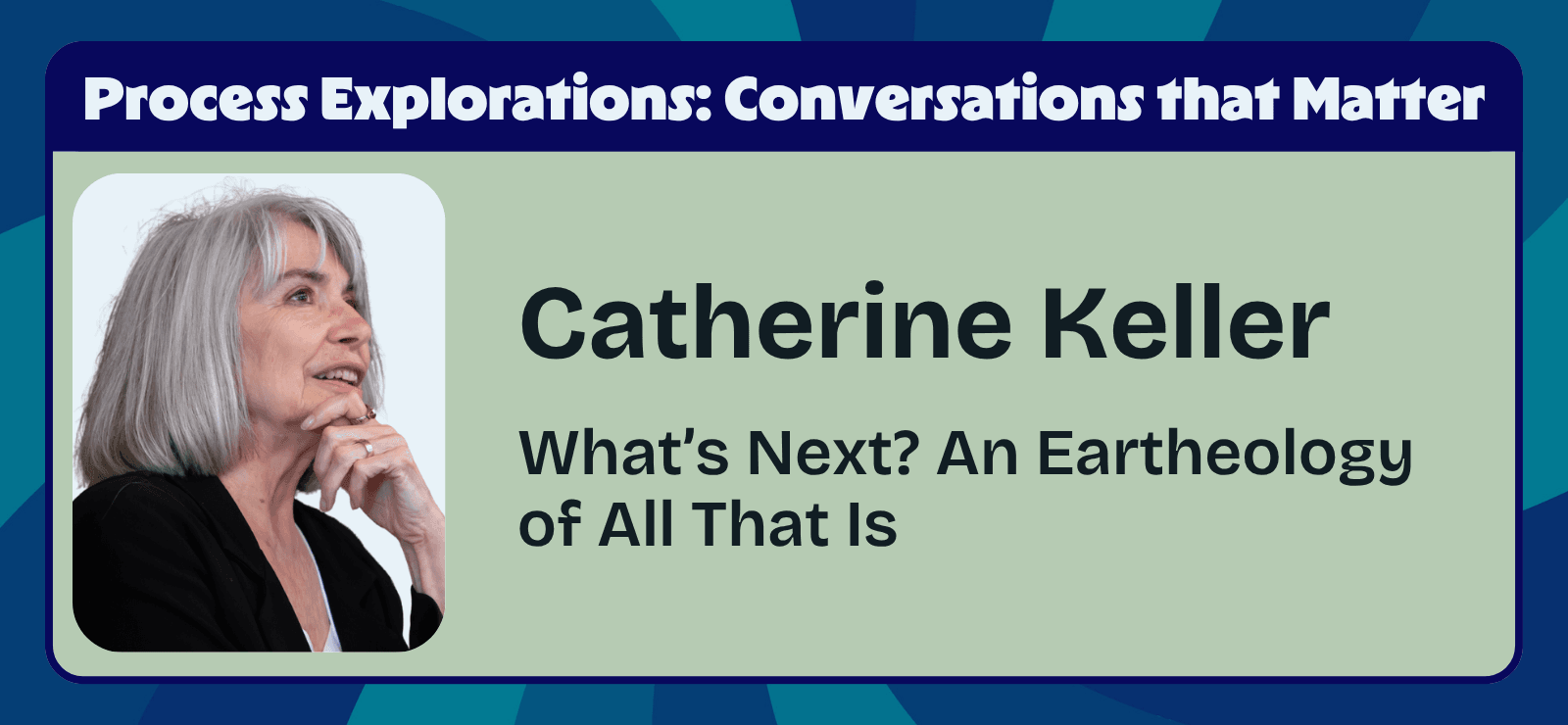 As the terrestrial trauma of global warming and US deregulation mounts, must we face ecological apocalypse? Ecological issues are routinely subordinated, even on the left, to pressing human concerns. Catherine Keller considers an apocalypse of dis/closure, not closure. Can the crisis itself crack open ways of greater collective attention to human and other-than-human wellbeing? How does theology, so often indifferent to the material world, help rather than hinder? Might we as Christians need a theology of God’s embodiment in all things—and particularly in the Earth? Not just in a one-off incarnation? The creation might then appear not as a one-time product but as ongoing and interdependent creativity. Does process theology help to motivate not only ecosocial virtue, but to materialize the creativity of love?
Free |
1 event,
–
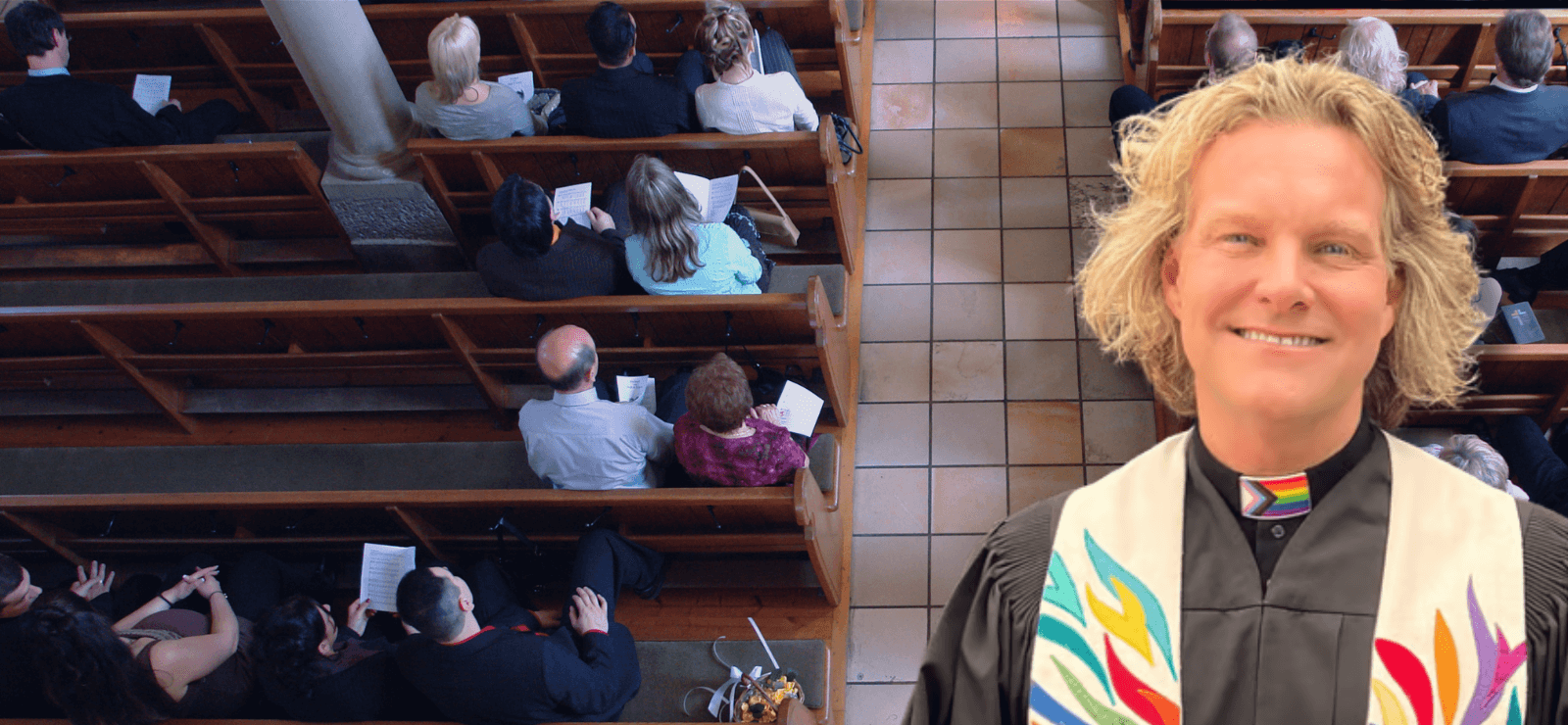 Ever wondered how to introduce process theology into your congregation? Join Pastor Brian Cromer for a process pop-up exploring a four-week journey that uses diverse practices, including participatory Bible study, storytelling circles, worship, and collaborative art, to immerse a community in core themes of process thought: God in relationship, becoming and change, persuasive love, and co-creation and transformation. |
0 events,
|
0 events,
|
0 events,
|
|
0 events,
|
0 events,
|
1 event,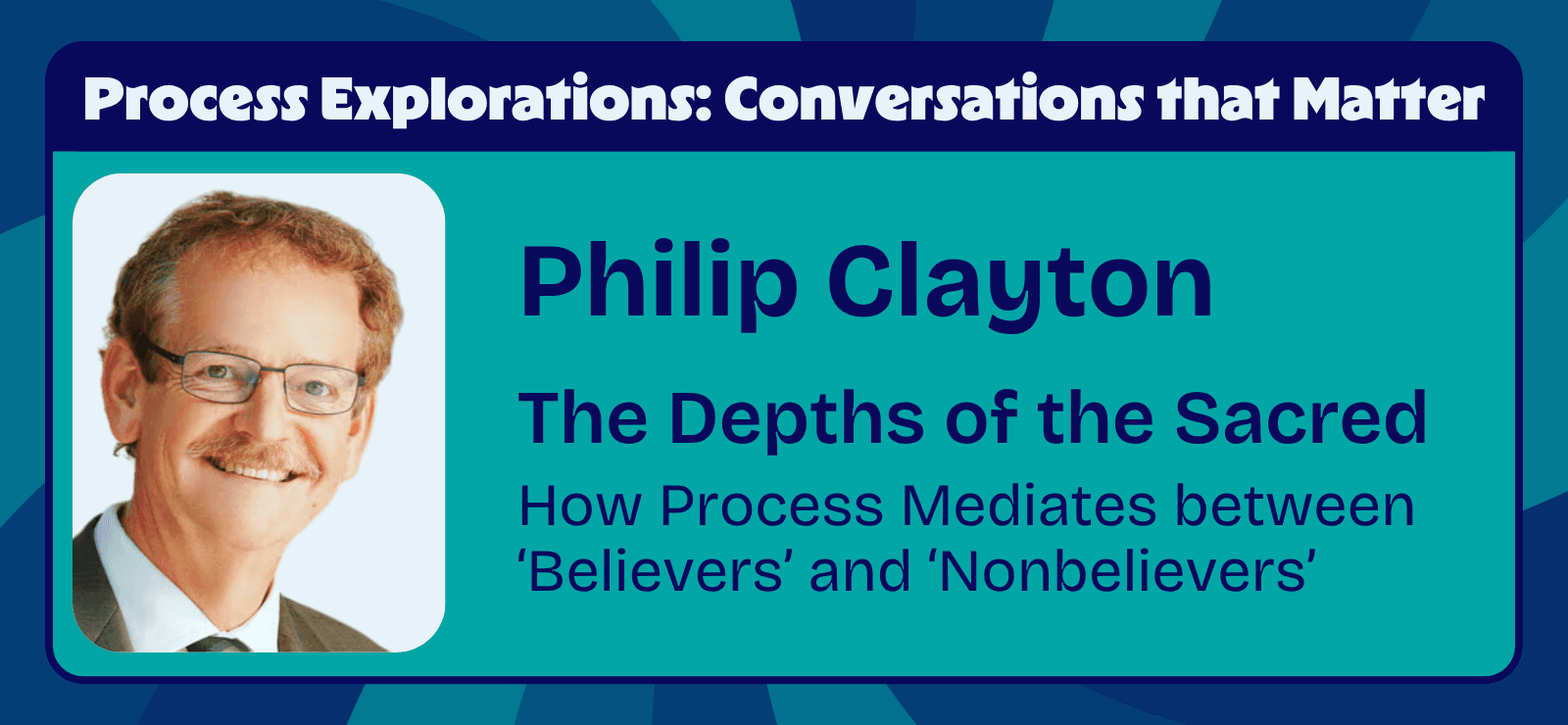 Conversations with process thinkers from Process Explorations inspired Philip Clayton's most recent book, Science and the Sacred: Beyond the Gods in Our Image. Now, a year later, he returns to the group that inspired the book to reflect with you on lessons learned since its publication, and to hear your responses.
Free |
0 events,
|
0 events,
|
0 events,
|
0 events,
|