
Events
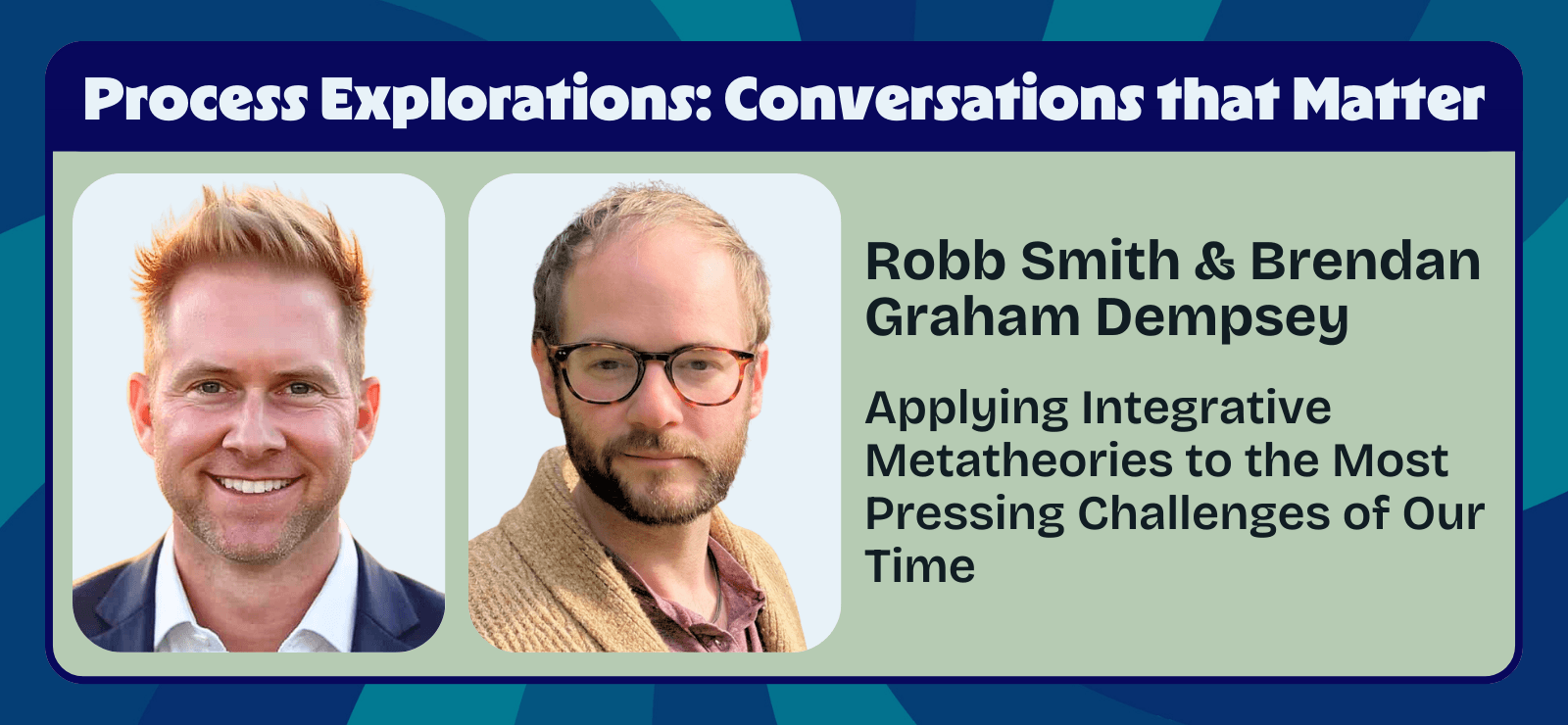
Applying Integrative Metatheories to the Most Pressing Challenges of Our Time | Robb Smith & Brendan Graham Dempsey
In this session of Process Explorations, Robb Smith and Brendan Graham Dempsey introduce the concept of integrative metatheories and share how the Institute of Applied Metatheory's initiatives leverage these theories to promote civilizational transformation. Initiatives range from understanding the metacrisis and artificial intelligence to reshaping the educational landscape and worldviews—all utilizing the unique insights of integrative metatheory to effect meaningful change.
Free
Interweavings: Deep Listening: Dynamic Practices and Living Texts
Rabbi Leila Gal Berner and Sheri D. Kling strongly believe that there is still something life-giving in both ancient texts and pre-modern practices, and that both can come alive in dynamic ways while still being grounded in timeless wisdom. In this event, Rabbi Berner and Dr. Kling will share their own experiences with reshaping traditional practices to reawaken modern sensibilities to potentially transforming encounters with texts and with the Divine.
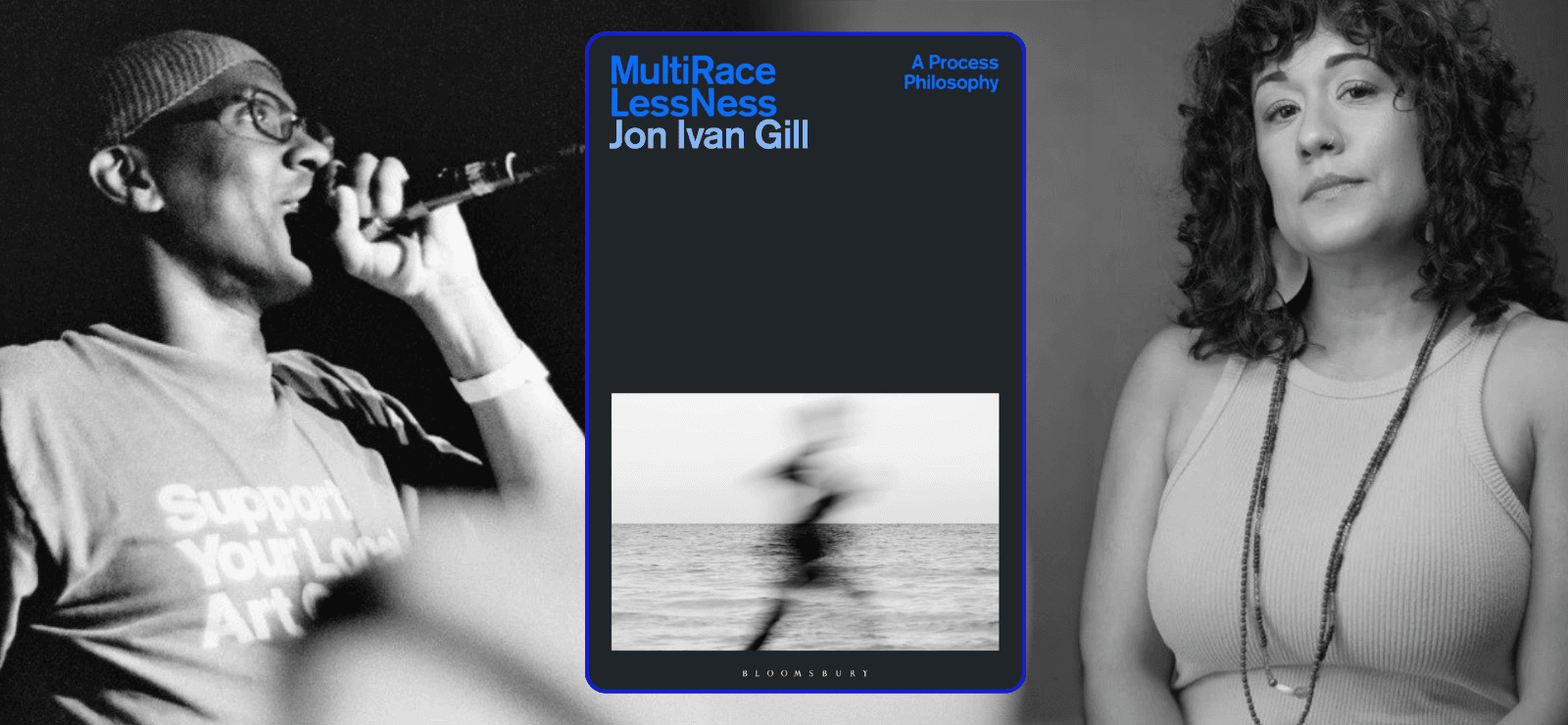
D/e/race Bookrap Tour with Jon Ivan Gill and Mayda del Valle
Jon Ivan Gill/Gilead7 will offer a rap/reading of his new book, MultiRaceLess Ness: A Process Philosophy, where he suggests a better world awaits us if we bravely and responsibly abolish the category of race. Mayda del Valle will spark off the event with her renown soul stirring creativity demonstrated through deeply embodied words, vibes, and wonder.
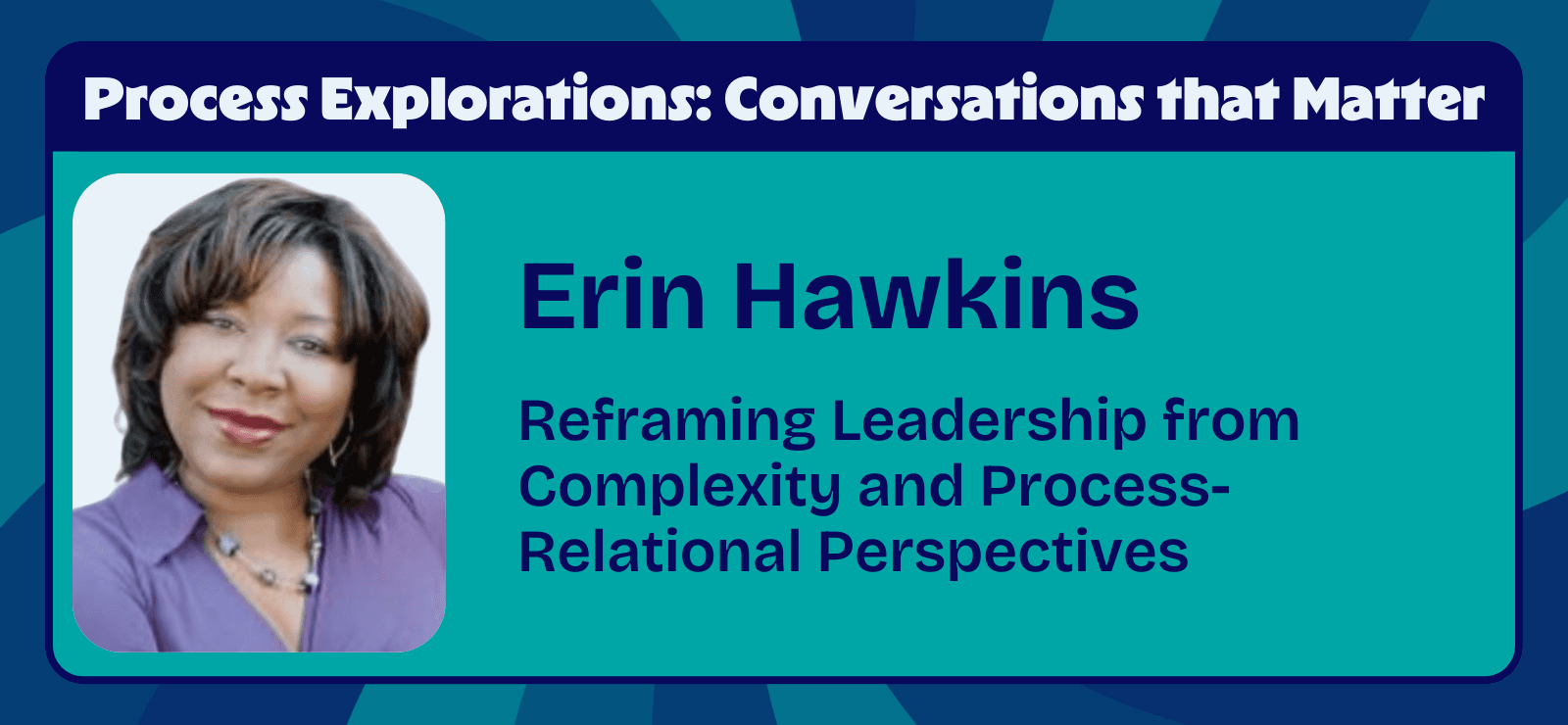
Reframing Leadership from Complexity and Process-Relational Perspectives | Erin Hawkins
This presentation is an inquiry into how process-relational perspectives of leadership require changing the invisible structures that shape how groups make decisions, create together, learn collectively, and navigate uncertainty. Erin Hawkins invites participants to reconsider not just how we understand leadership, but how we organize for transformation in an age of polycrisis.
Free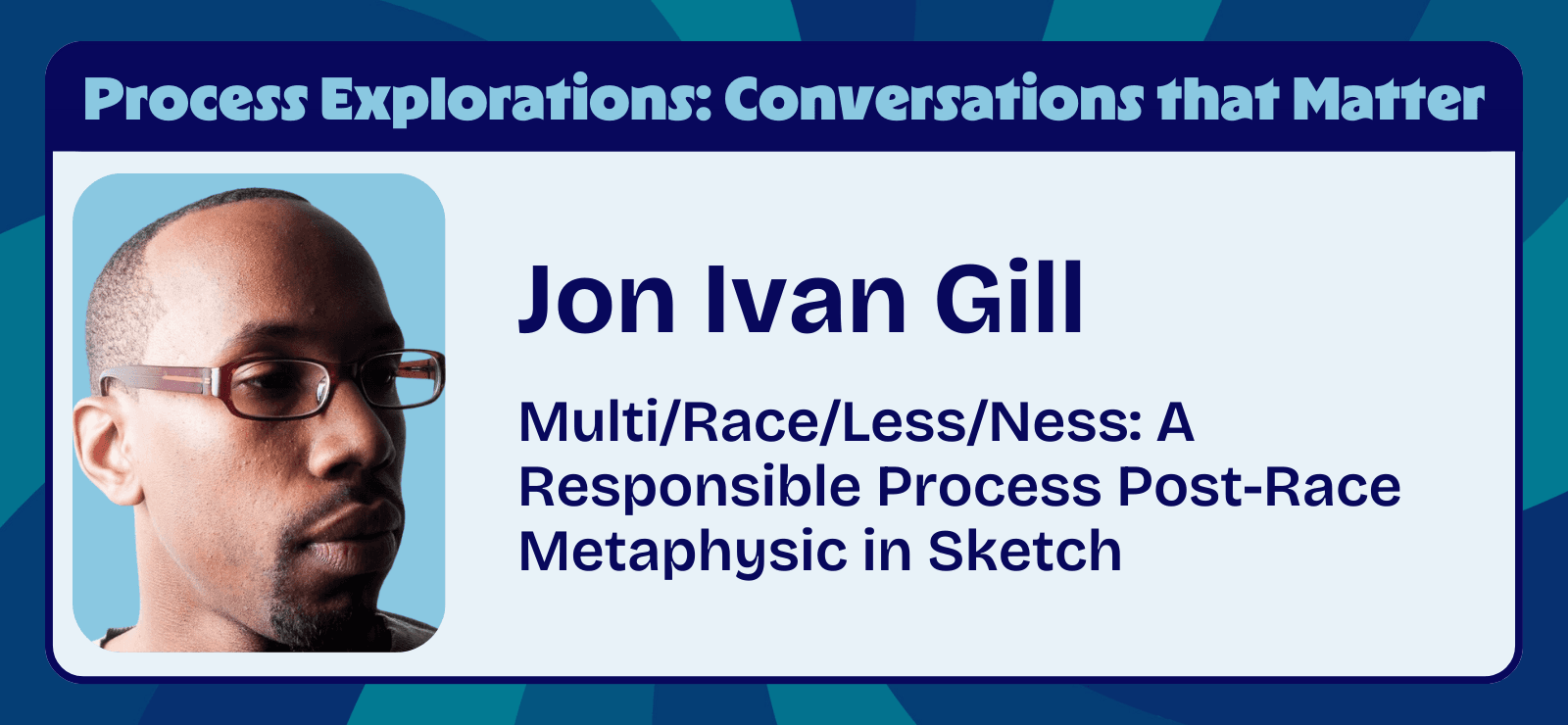
Multi/Race/Less/Ness: A Responsible Process Post-Race Metaphysic in Sketch | Jon Ivan Gill
In Multi/Race/Less/Ness, Jon Ivan Gill challenges us to take the next step and abolish the very category of race. With seemingly immutable notions of race still baked into our societies at the level of law and legislation, process philosophy can remind us that being, and how we define it, is dynamic and subject to change. If race as a category is impermanent, then it can be undone. This talk will focus specifically on the metaphysical scheme of multi/race/less/ness and how Gill proposes it offers a way out of the hierarchies of racial identification.
Free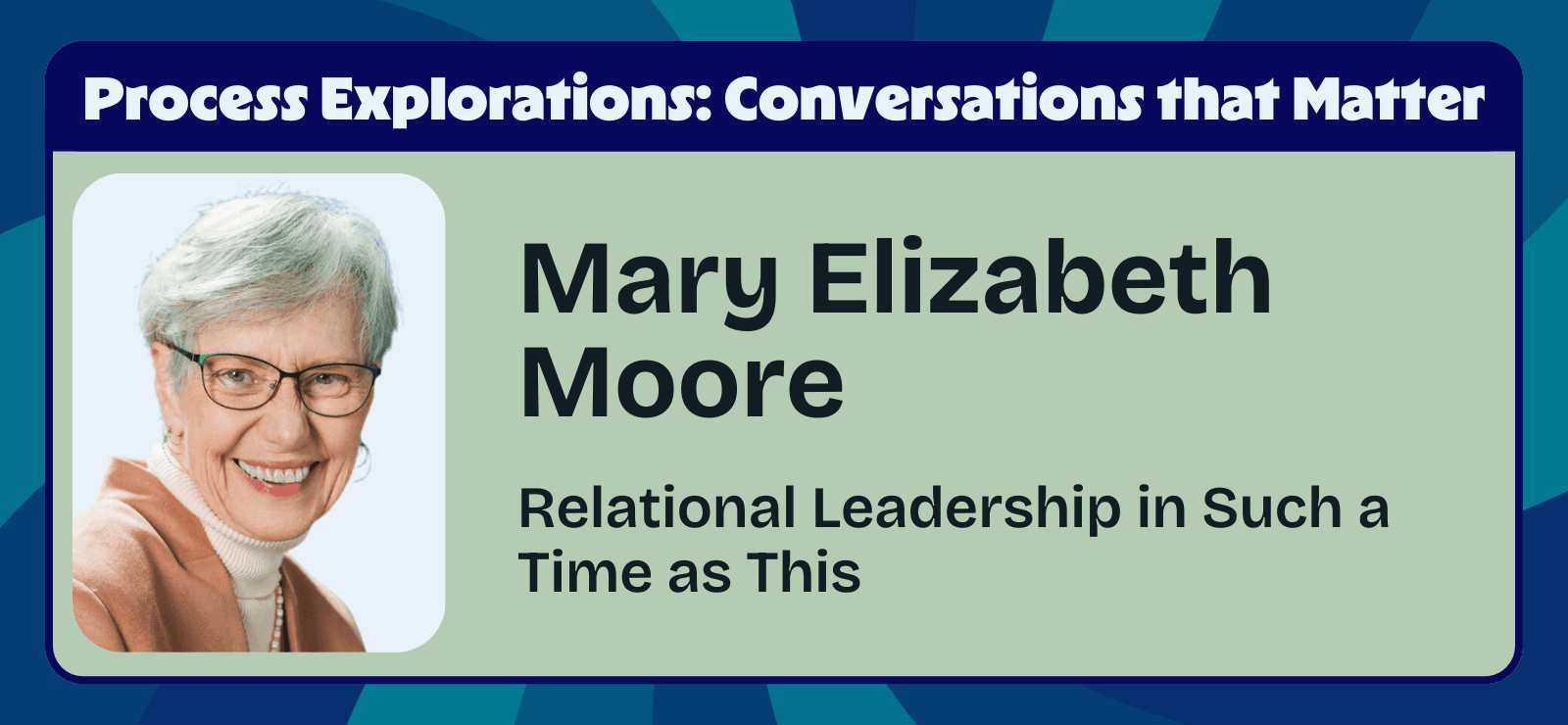
Relational Leadership in Such a Time as This | Mary Elizabeth Moore
This session will be an exploration of leadership in the context of hyper-fear, aggression, and combative speech and action. What kind of leadership is required in such a context? What potential does process relational leadership have to address the aches in our ecological home and human family? The session will explore these questions and identify significant possibilities through a presentation by Mary Elizabeth Moore and interviews with others, followed by a "think tank" discussion with all participants.
Free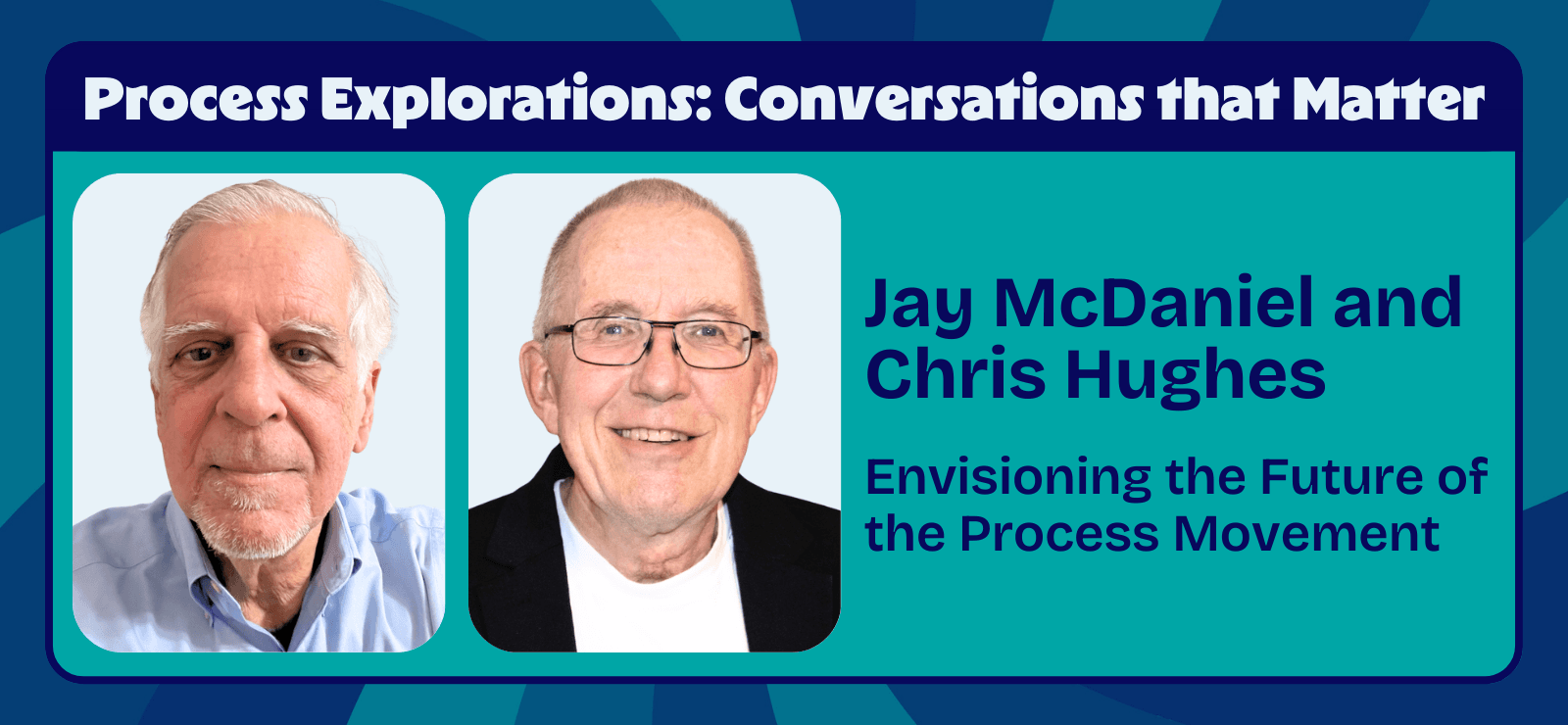
Envisioning the Future of the Process Movement | Jay McDaniel and Chris Hughes
Today process thought is growing in many parts of the world, albeit as a minority tradition in a world faced by many crises. Might it have a role to play? Might its voice be heard? Chris Hughes and Jay McDaniel will share ways this might happen, inviting discussion as we think together about the future of the process movement.
RSVP Now Free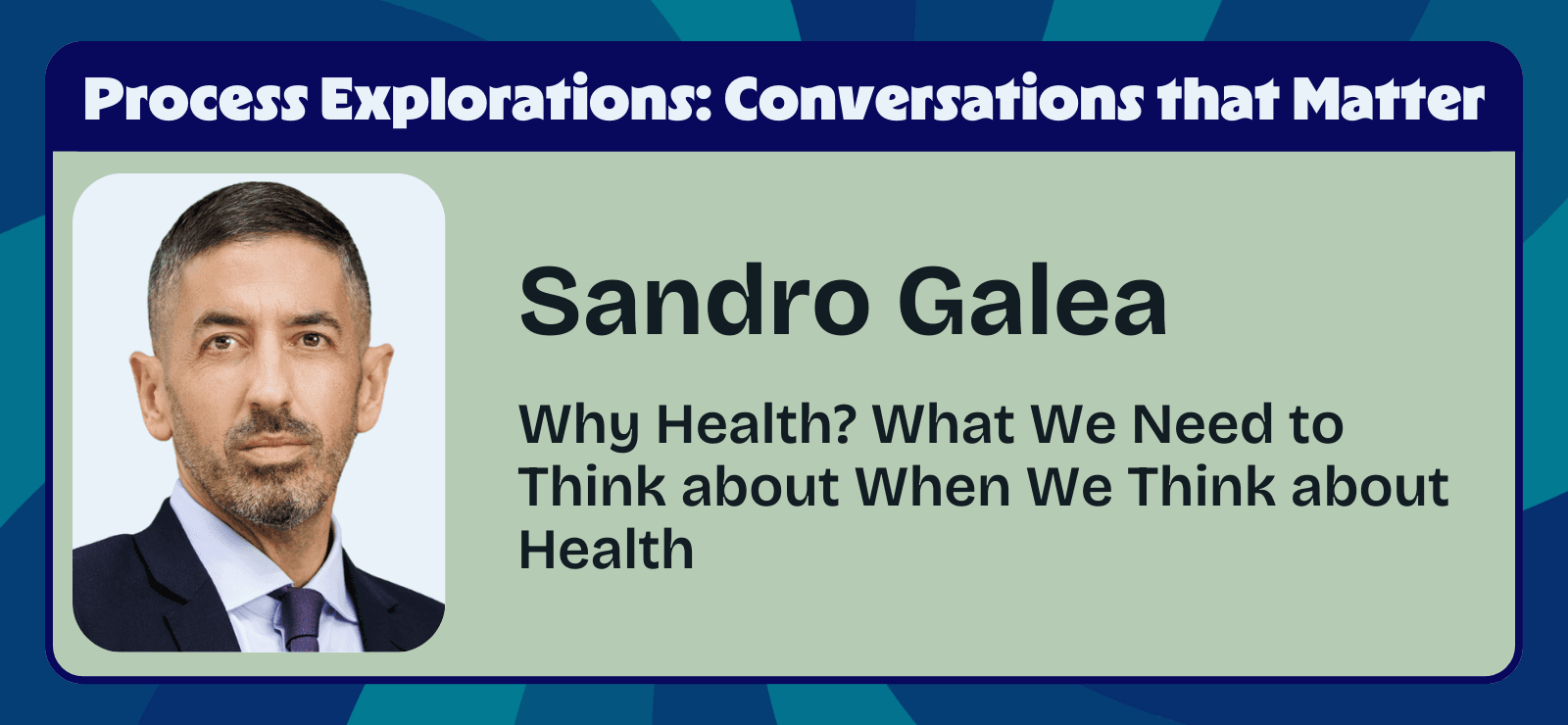
Why Health? What We Need to Think about When We Think about Health | Sandro Galea
In this presentation Sandro Galea will discuss the philosophical foundations of health, why we value health, and the implications that has for our actions on health as a society.
RSVP Now Free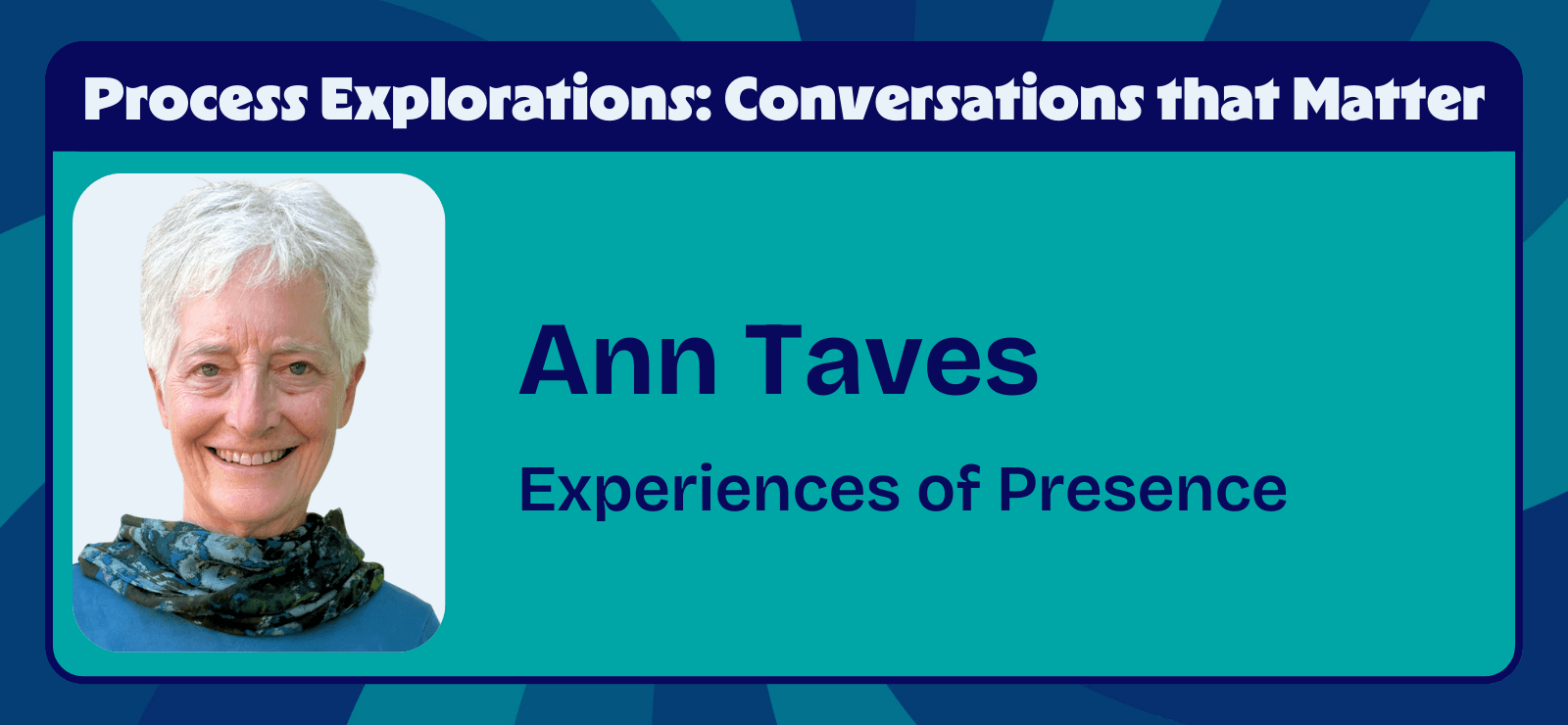
Experiences of Presence | Ann Taves
When people claim to have experienced the presence of a dead loved one, a deity, or other spiritual entity, the way they knew the presence was there can vary widely, regardless of who they thought was present. Some say that they just knew the presence was there. Others say they saw, heard, or felt the touch of the presence. Others explain that the entity signaled its presence by arousing unusual feelings or by causing unusual things to happen. As part of a research team that attempted to understand such experiences scientifically, Ann Taves and a collaborator developed a typology of presence experiences designed to enable researchers to distinguish the different types of experiences that they wanted to explain. In this talk, Taves will explain the typology using experiences drawn from her research to illustrate and discuss how considering experiences as events can help us to understand the factors that interact to produce experiences of known presences.
RSVP Now Free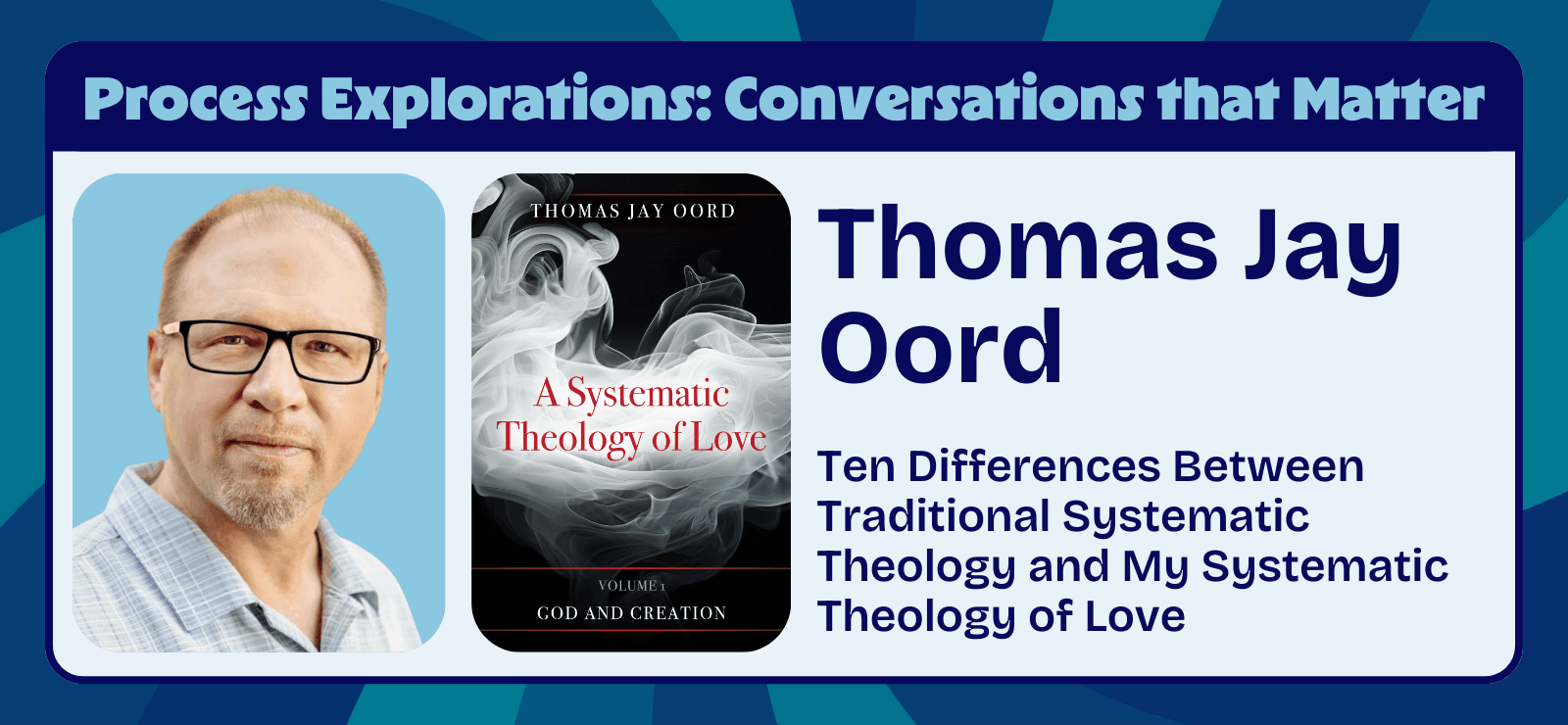
Ten Differences Between Traditional Systematic Theology and My Systematic Theology of Love | Thomas Jay Oord
The shift from theologies oriented around controlling power to one oriented around uncontrolling love radically reshapes what systematic theology can be. It centers experience in bold ways, and not just the experiences of white men. In this session, Thomas Jay Oord explores ten differences between his systematic theology of love and traditional systematic theologies.
RSVP Now Free
Mind-at-Large Project: A New Dawn
The inaugural conference of the Mind-at-Large Project will be held fully online from April 15–17, 2026, hosted by the Center for Process Studies. The conference program will feature plenary lectures from leading thinkers, emerging scholar presentations, panel dialogues across disciplines and structured opportunities for substantive exchange.
Process Philosophy in Under-Explored Traditions in Philosophical History: An Online Conference
This conference will be the first to birth this long overdue intellectual exchange as it offers an improved metaphysical framework for value and consciousness in all ontological entities to address various concerns that are facing humanity: economy, political, and environmental. Although there are hesitant answers to some of these global challenges facing humanity, the influence of substance-based analysis has yet to offer penetrative answers, in addition to the almost complete lack of interaction among scholars of process to explore their common ground for a common voice in the way that substance thought has done over the centuries.