Discussion
Events

Digging for Wisdom and Finding the Words with Leslie King
These days, there are so many vehicles to speak quickly. We can find ourselves speaking before we have our necessary information. We can find ourselves speaking to symptoms rather than the roots of the problem. With so much provocation in the public sector, how can orators in our various vocations find the "tap root" on subjects that are vital for civility and the greater good? With so much temptation to declare opinion and bias on social media outlets, how can the relationship filter recover its integrity?
Free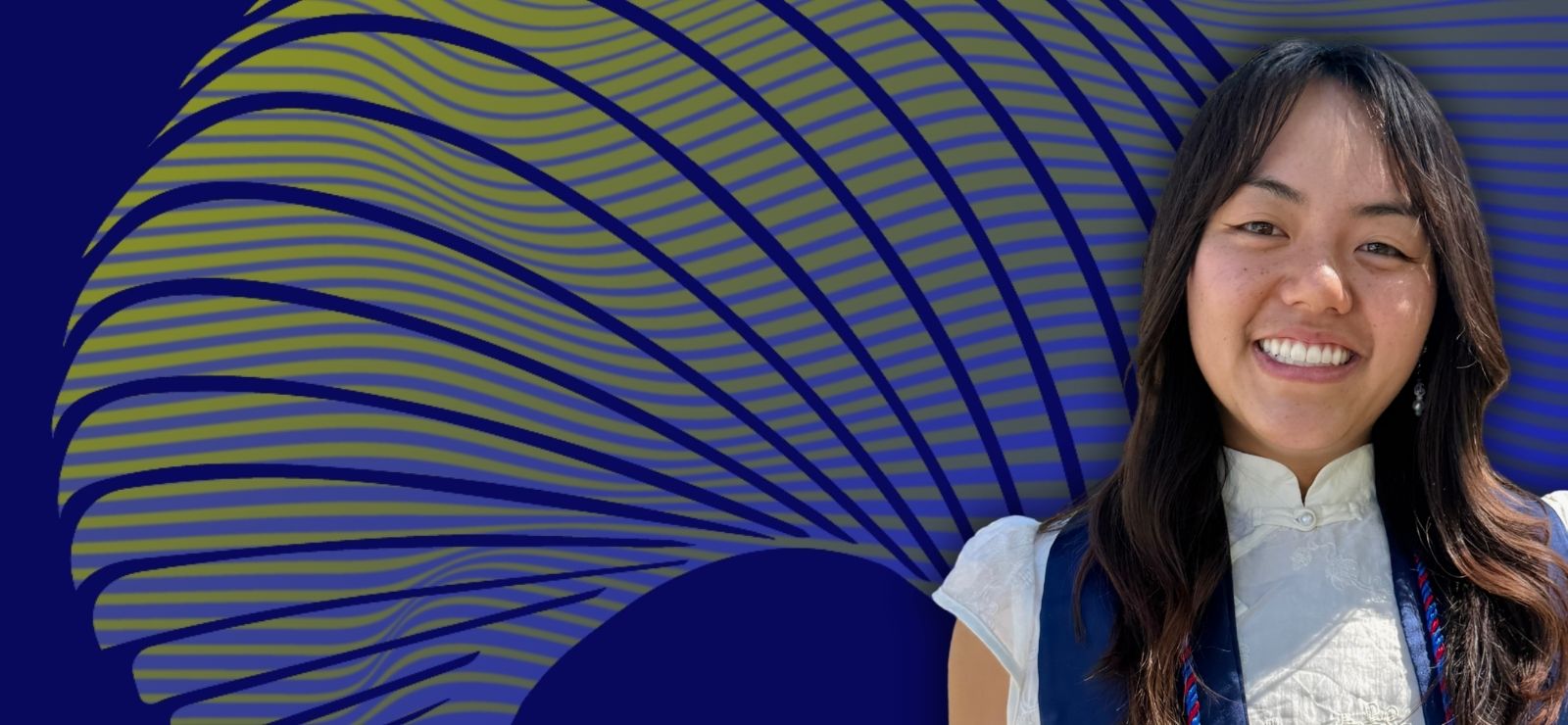
Transformation in Practice: The Process of Youth Empowerment in Soweto with Natasha Yen
Young people are leading the way in addressing critical global issues and transformative actions. One such issue is: How does empowerment emerge? Drawing on her experience facilitating youth and community development programs in Kliptown, Soweto, South Africa, Natasha Yen explores how empowerment and transformation unfold in practice. Rather than treating empowerment as a predefined outcome, the presentation explores how it unfolds over time, and how community change becomes possible when people are equipped not only with skills, but also with the belief and capacity to shape their own futures.
Free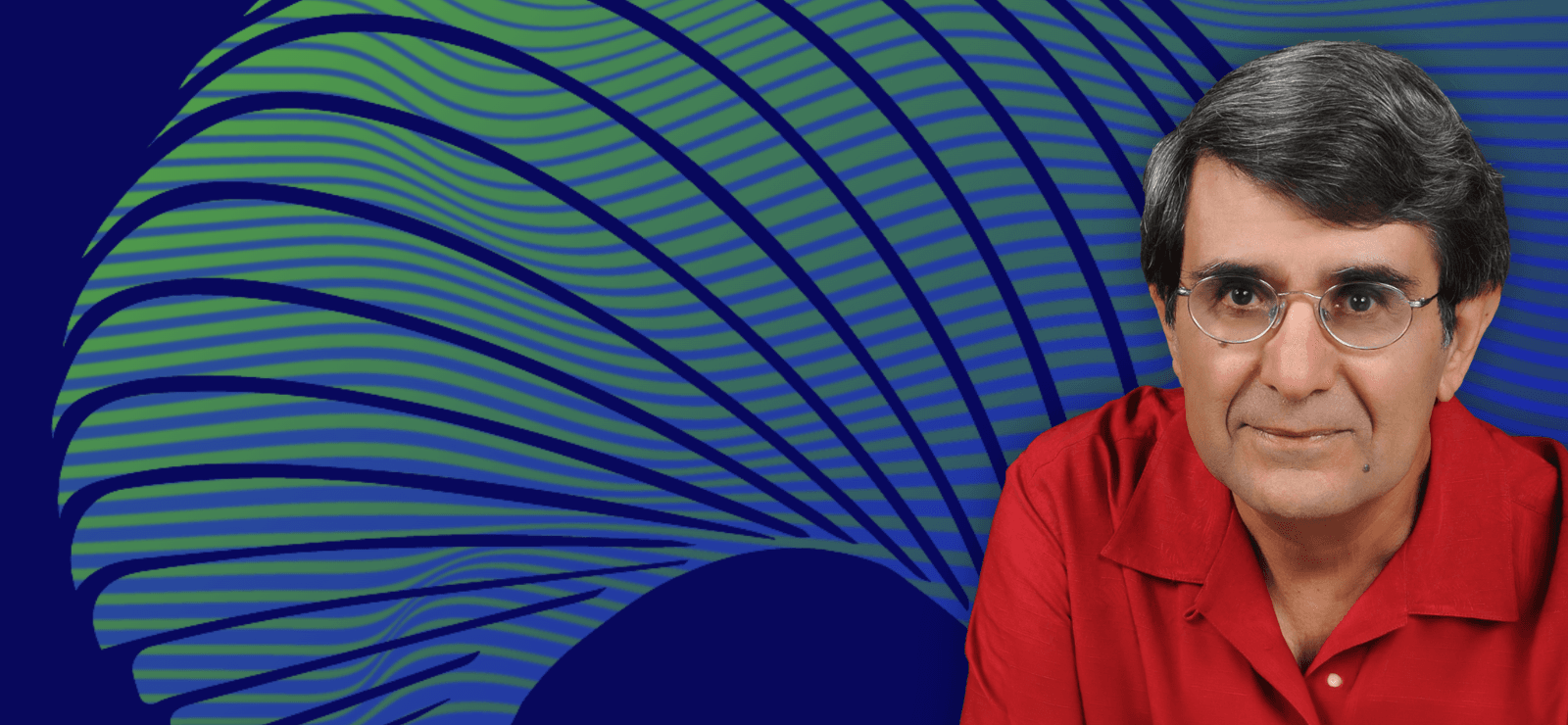
Earth on Fire: Brewing Plagues and Climate Chaos in Our Backyards with Evaggelos Vallianatos
In Earth on Fire: Brewing Plagues and Climate Chaos in Our Backyards, scholar and author Evaggelos Vallianatos makes the case that industrial animal agriculture lies at the heart of two of the most urgent crises of our time: pandemic disease and climate chaos. In this session of Process Explorations, Evaggelos will present the ideas from his latest work, drawing on the agricultural traditions of ancient Greece and China's ecological civilization debates to trace a through-line from humanity's earliest relationships with land and animals to the conditions that gave rise to COVID-19 and the broader era of global industrial farming dependent on pesticides, petroleum, and heavy machinery.
Free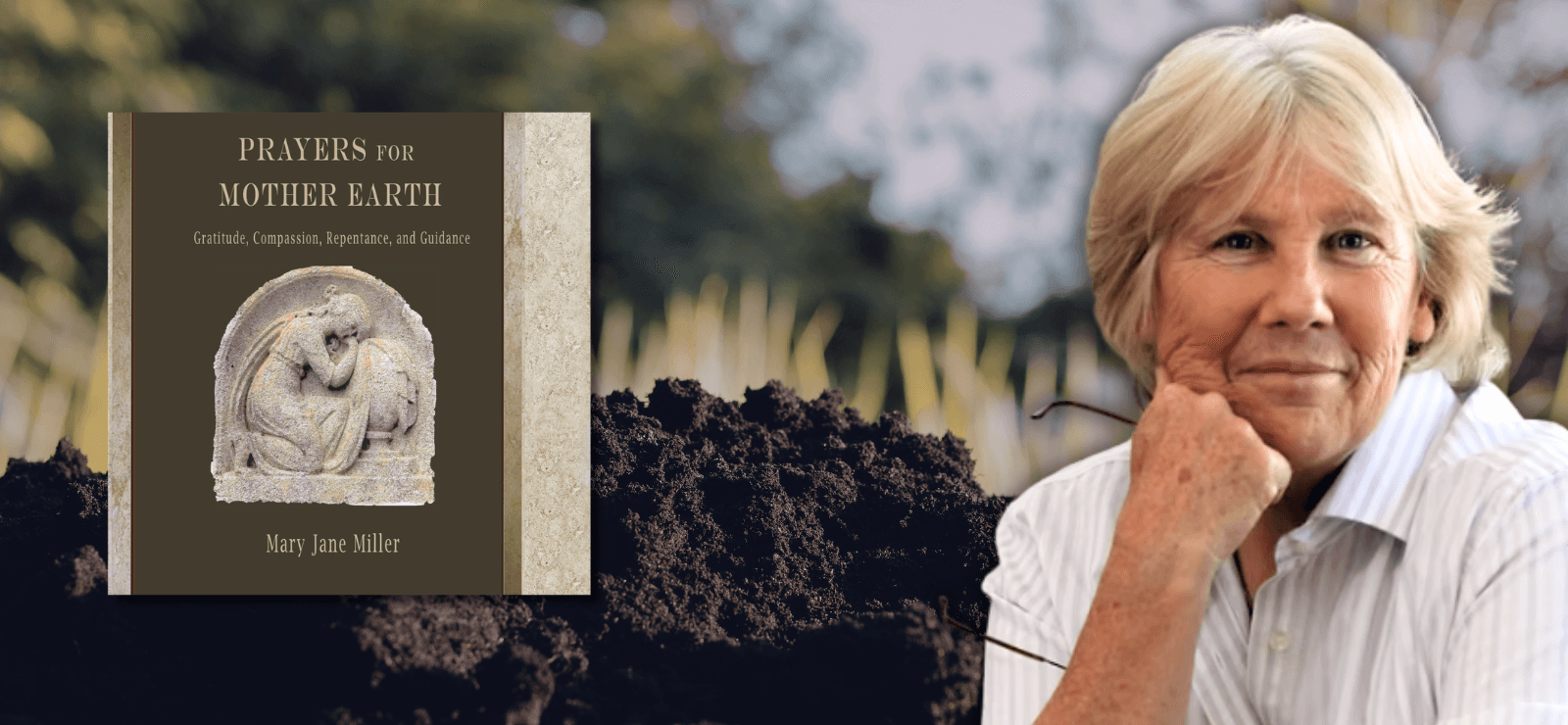
Process Pop-Up: Prayers for Mother Earth: Gratitude, Compassion, Repentance, and Guidance
In this Process Pop-Up, Mary Jane Miller will introduce us to her book Prayers for Mother Earth and reveal how it is designed as a resource and guide to focus the mind and heart on one another and Mother Earth as she speaks back to us.

The Path of Light: The Universal Message of the Karkariyya Sufi Order with Zaineb Baddouri
In this presentation, Zaineb Baddouri will engage in an exploratory discussion of the Karkariyya Order and the central message of its living teacher, Shaykh Al-Karkari. The Shaykh emphasizes the processual, direct witnessing of the Divine Presence as Light as mode and method of the student's journey toward self-knowledge, ethical formation, and transcendence of consciousness. Through daily meditative practice, sincere action, and 7 foundational techniques, students of the Karkariya embark on an inner and outer journey of transformation and purification.
Free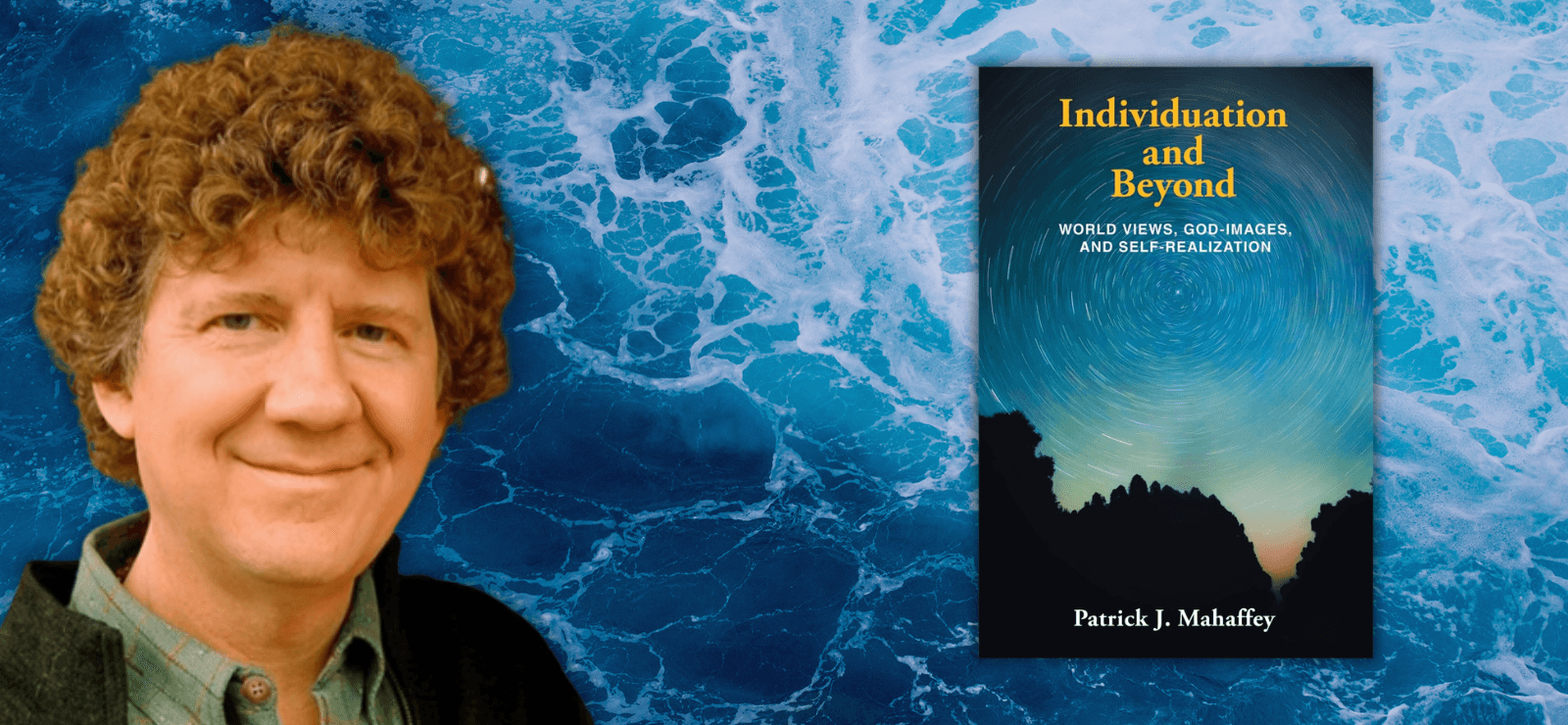
Process Pop-Up: Individuation and Beyond: World Views, God-Images, and Self-Realization
In this Process Pop-Up, Patrick Mahaffey will introduce us to his book Individuation and Beyond: World Views, God-Images, and Self-Realization and discuss his proposed form of integrative spirituality, uniting psychological wholeness with spiritual realization.

Ecological Civilization and Global Citizenship: Reflections on a Year in China with Wm. Andrew Schwartz
The path toward ecological civilization asks us to confront a basic contradiction of our time: our greatest challenges are planetary, while our dominant forms of identity and political action remain divided along national, cultural, religious, and ideological lines. Building a more just and sustainable world will require unprecedented cooperation across these boundaries, and new ways of understanding what it means to belong to a global community. Drawing on a year of living, teaching, and working in China, Andrew Schwartz reflects on global citizenship, cross-cultural encounter, and ecological civilization through the lens of process-relational thought, asking how we might cultivate forms of identity, responsibility, and cooperation adequate to our shared planetary future.
Free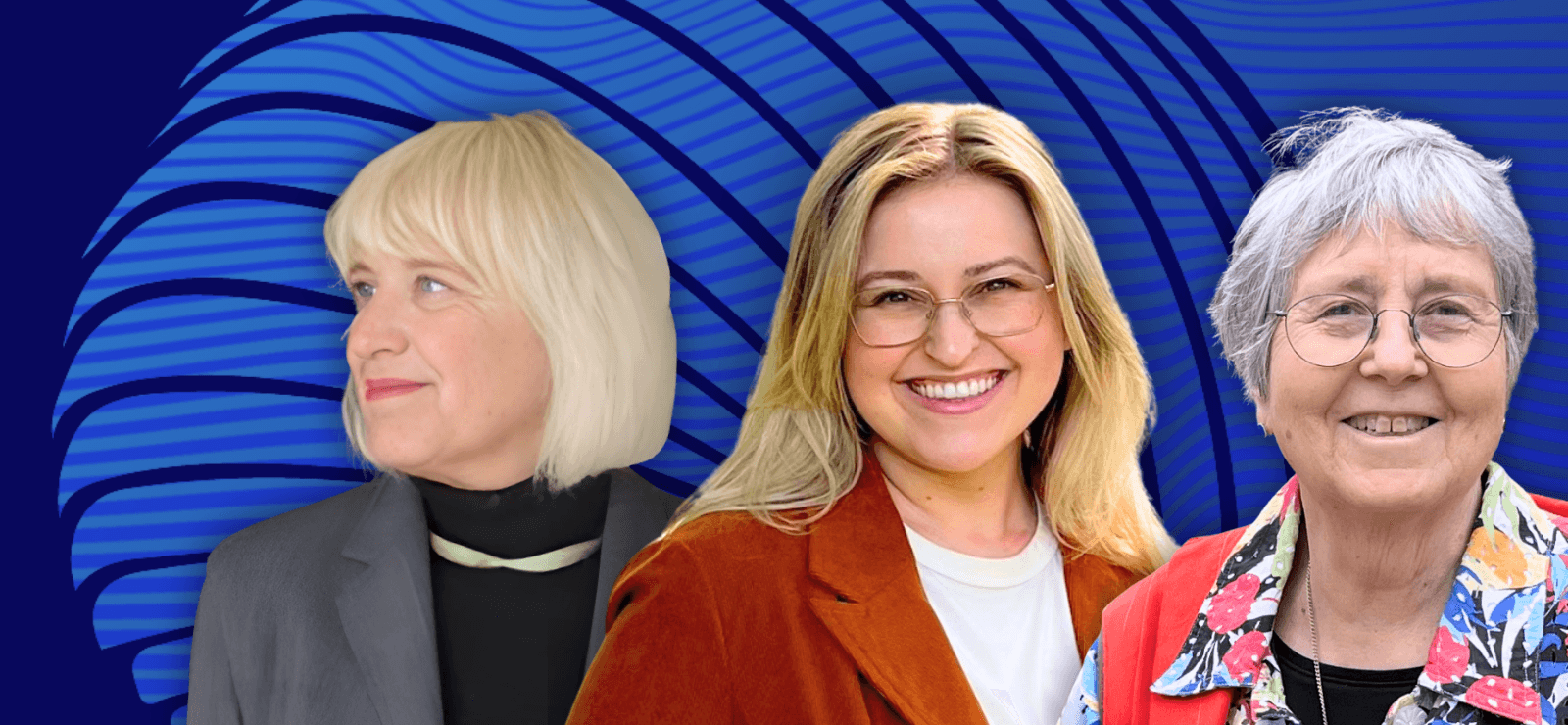
Remembering Transformative Leaders: Wendell Berry, Gloria Steinem, Dolly Parton
The fall series of Process Explorations explores Compassion, Creativity, and Global Citizenship. At a time when many parts of the world are in political, economic, ecological, and ethical turmoil, what might process thought and ways of life contribute to the deepening of compassion and creativity and to practices of global citizenship? The session on September 22 explores this question through the lives of three remarkable persons who contributed in quite different ways to the quality of life in the United States, both for human communities and for the entire ecosphere.
Free
Running for Office in a Very Red State with Doug Corbitt
In this presentation on running for office during the present moment of time, Doug Corbitt will share his experiences running as a Democrat in a rural, poor, very Red district in Arkansas. He will speak to why he thinks it worth the effort, what he has learned, and what he has found most surprising.
Free
Continuing Pilgrimage of Justice, Reconciliation, and Unity with Bishop Mary Ann Swenson
In this session of Process Explorations, Bishop Mary Ann Swenson will reflect on her recent experience with the World Council of Churches Reference Group on the Pilgrimage of Justice, Reconciliation, and Unity. The group met in Vancouver, British Columbia to discuss the theology of Companionship as it relates to faith and order, climate justice, education and ecumenical formation, and international affairs. Following the presentation, there will be discussion of process thought and relational theology to explore connections between these topics and what Bishop Swenson presented.
Free
Concrescence: Artistry of SPARKS Community Cohort with Kaeti MacNeil and SPARKS Artists
In this special session of Process Explorations, members of the SPARKS Community Cohort share work from Concrescence, the first online gallery of the Center for Process Studies' arts collective. The session includes a live digital tour of the virtual gallery, led by Kaeti MacNeil. As the tour stops at each piece, featured artists will speak about their work and the influences it draws together. A conversation with attendees will follow.
Free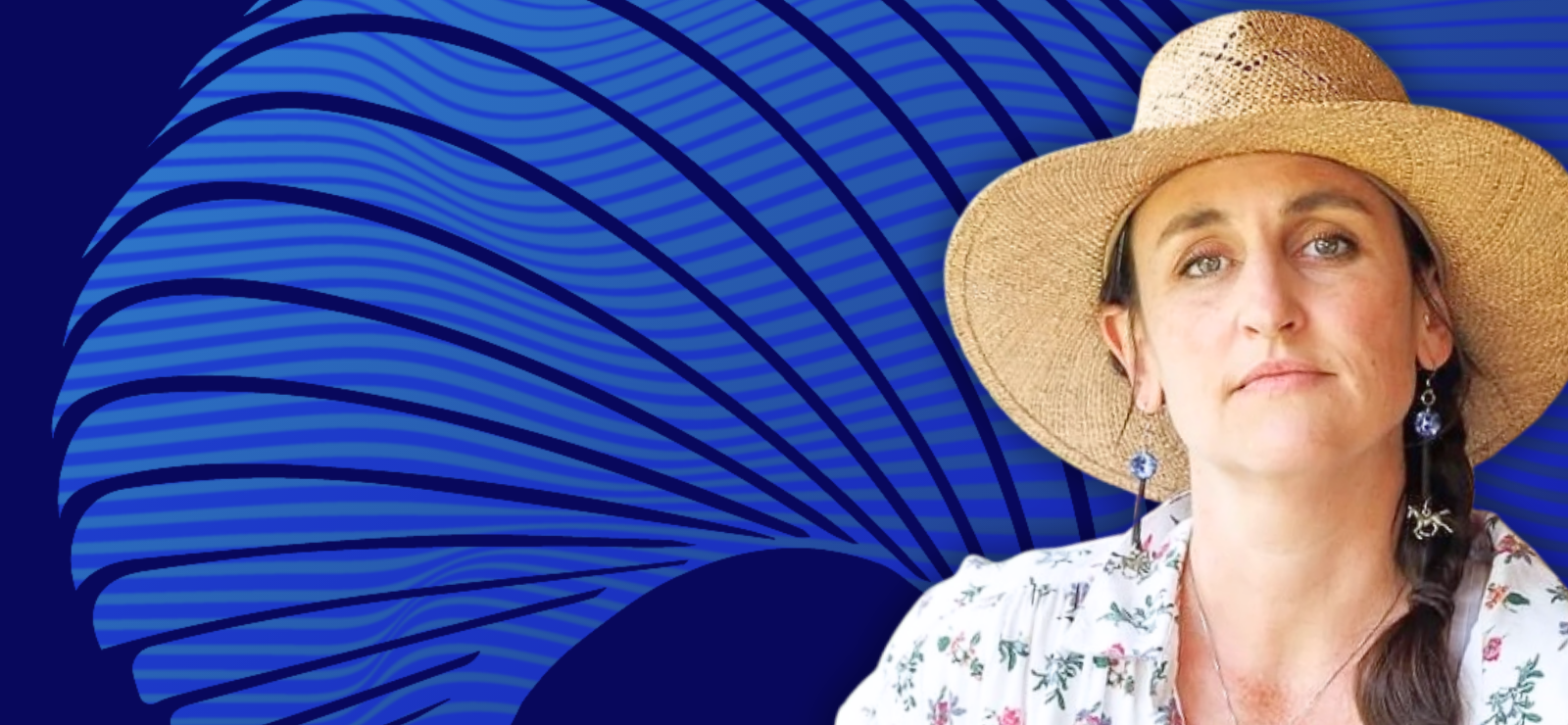
Art, Gardens, Horses, and Home: The Many Become One with Melissa Cowper-Smith
Whitehead is famous for saying that, in each moment of our lives, "the many become one and are increased by one." The phrase well describes the life of many an artist. Melissa Cowper-Smith is a living exemplar of the organic nature of an artist's life, inspired by her many loves. She is drawn to the arts making visual art, tending the land, caring for horses, and helping people find a home. Her visual art explores landscape, memory, and our relationship with nature, often using handmade paper made from plants she grows herself. She also helps farm Wildland Gardens on eight acres near Morrilton, Arkansas, growing vegetables, herbs, flowers, fruit, and fiber plants. Add to this her love of horses and her work helping people find homes and you have a creative and caring life inspired by multiple loves. In this conversation, facilitated by Jay McDaniel, Melissa will share her story and images of her art, garden, horses, and homes, inviting us to consider how our own multiple loves might shape a meaningful life.
Free