Over the course of several weeks in July, an international group of process scholars and practitioners traveled across China, participating in a remarkable series of gatherings exploring the relevance of process-relational thought to some of the most pressing questions of our time. From a decade-long daily reading group in Harbin to ecovillages and rural communities, from experiments in educational transformation to one of the most international gatherings devoted to Whitehead’s thought, the journey offered a vivid picture of a movement that is at once deeply rooted and continuing to grow in new directions.
The initial traveling group included Kevin Clark (USA), Vesselin Petrov (Bulgaria), Zhihe Wang (China), Yang Li (China), and Andrew Schwartz (USA). As the journey continued south, additional colleagues from Europe, North America, Korea, and elsewhere joined the group, making the journey itself a kind of traveling international community of dialogue and collaboration.
Harbin
Celebrating Ten Years of Reading Whitehead at Night
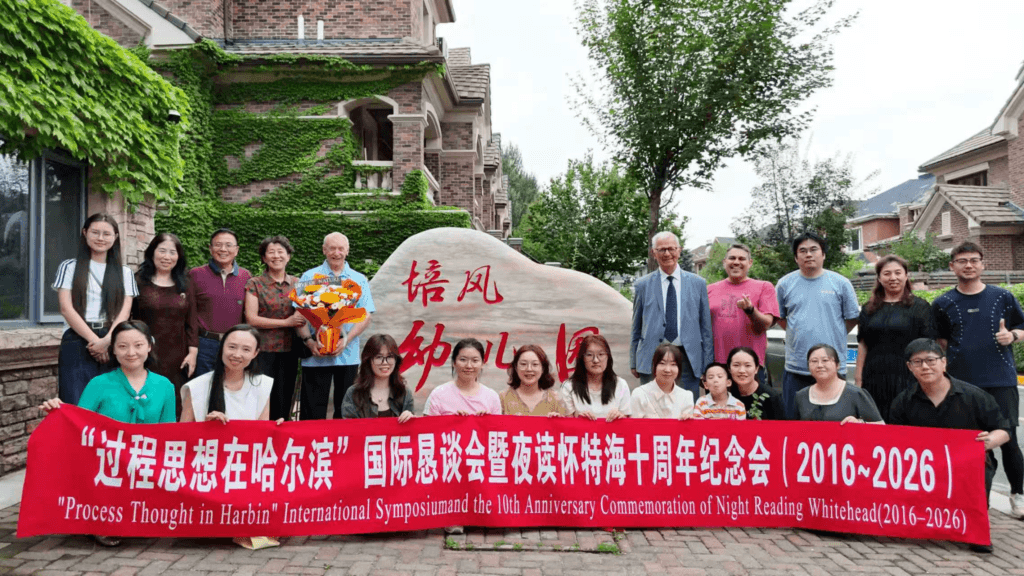
The journey began in the northern-most reaches of China in the city of Harbin with the celebration of an extraordinary achievement: the tenth anniversary of a community devoted to reading Whitehead together every day.
For a decade, participants in the Whitehead reading group, led by Professor Yang Li at Harbin Normal University, have sustained the disciplined practice of encountering process thought collectively, one day at a time. In an academic culture often organized around short-term projects, conferences, and publications, ten years of daily engagement represents something quite different. It is a reminder that intellectual traditions are sustained not only through books and institutions but through communities of people committed to thinking and learning together.
The gathering in Harbin was therefore more than an anniversary celebration. It offered an opportunity to reflect on the development of process thought in China and on the communities that have carried this tradition forward. It also provided a fitting beginning to our journey. Before exploring the future applications of process thought in ecology, education, civilization, and business, we began by celebrating the patient work of cultivating a community of thought.
Wuchang and Qifengshan
From Philosophy to Ecological Practice
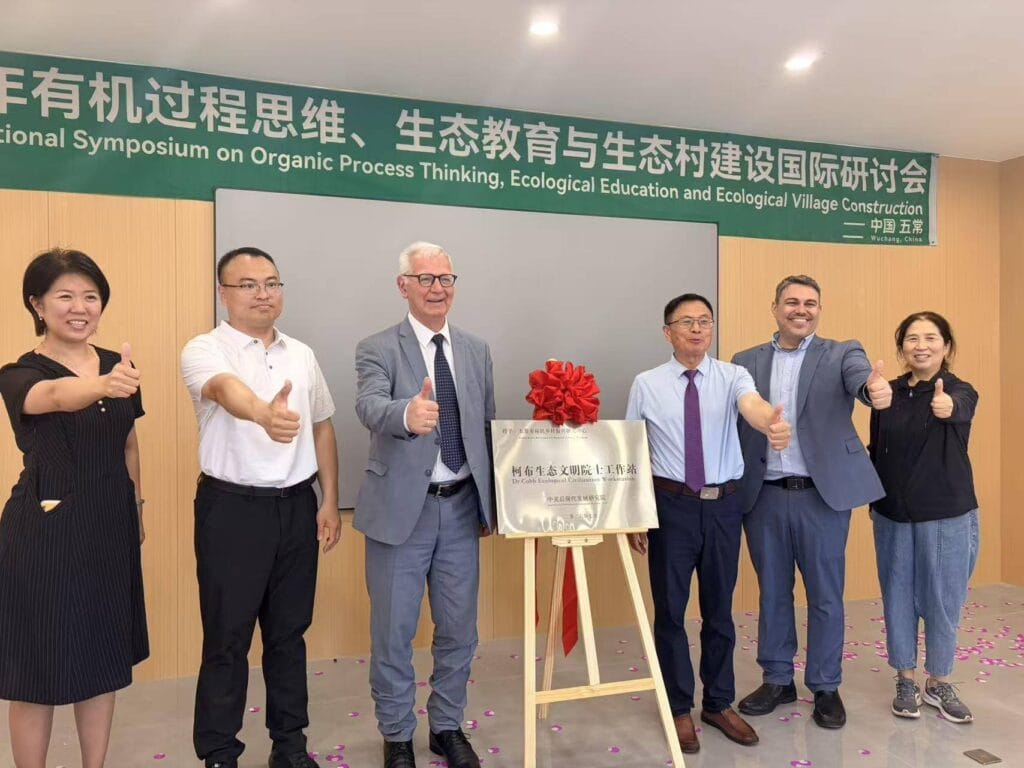
From Harbin, the journey moved south to Wuchang for the International Symposium on Organic Process Thinking, Ecological Education, and Ecovillage Construction. The gathering also marked the official unveiling of the John Cobb Academician Workstation in Wuchang, establishing a new institutional base for advancing ecological civilization through research, education, and practical experimentation.
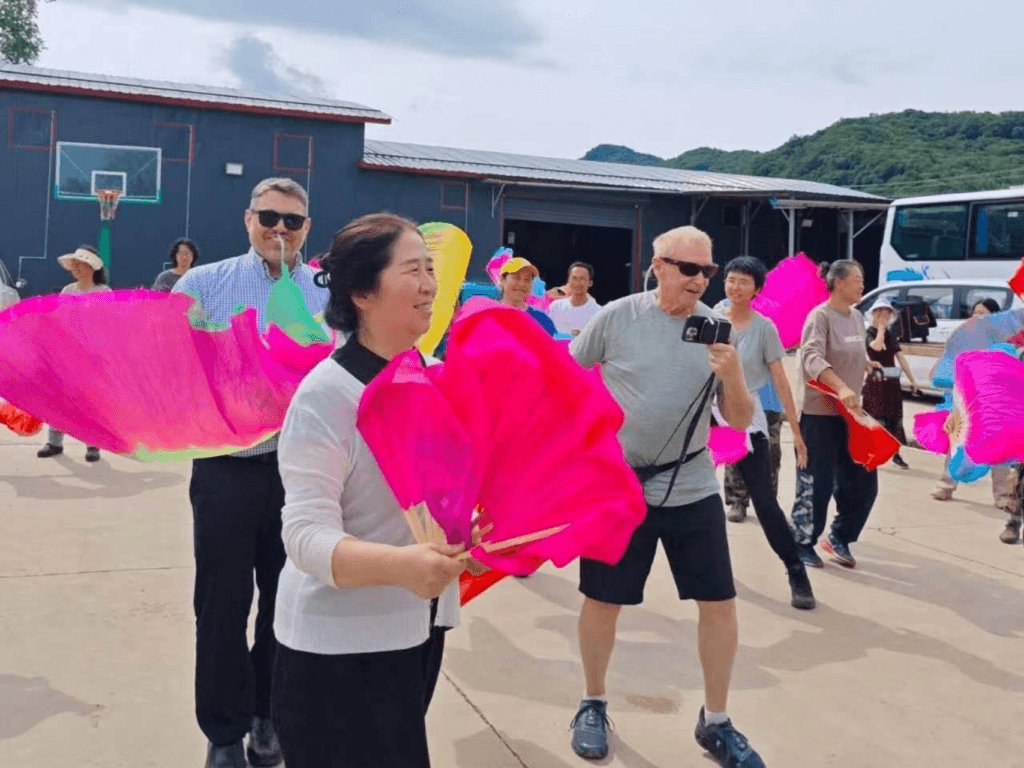
Upon arrival in Wuchang, the group was met with Northeast China’s Yangge dance (the highest form of welcome ceremony among Northeasterners). Here the conversation shifted from sustained philosophical study toward the practical challenges of building ecological communities. Scholars, educators, community leaders, and practitioners gathered to consider questions of rural revitalization, ecological education, and the role that process-relational thinking might play in creating more sustainable forms of life.
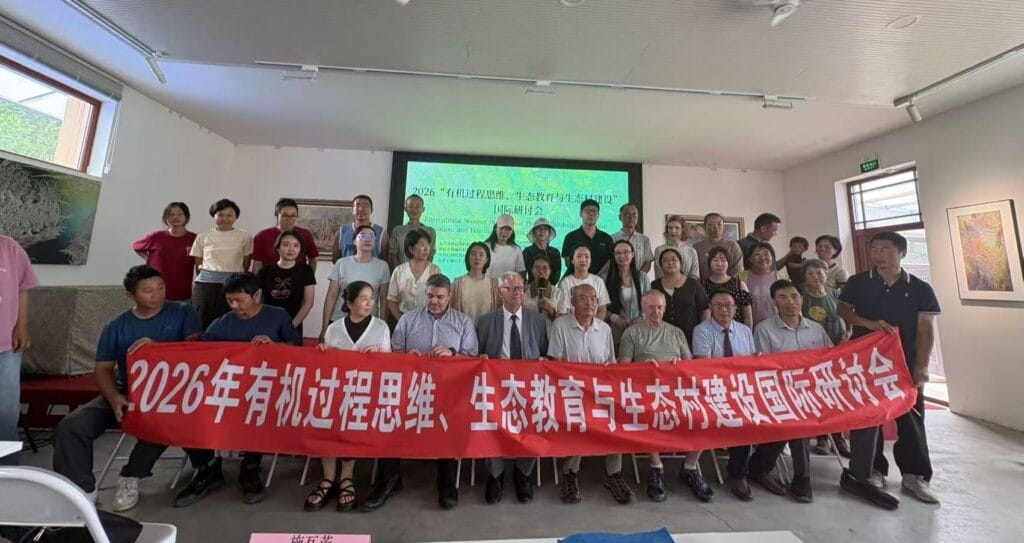
The discussions highlighted a recurring theme throughout our travels: ecological civilization cannot simply be a new set of environmental policies added to an otherwise unchanged way of life. It requires experimentation with new relationships—between people and nature, rural and urban communities, education and everyday life, and local traditions and global challenges.
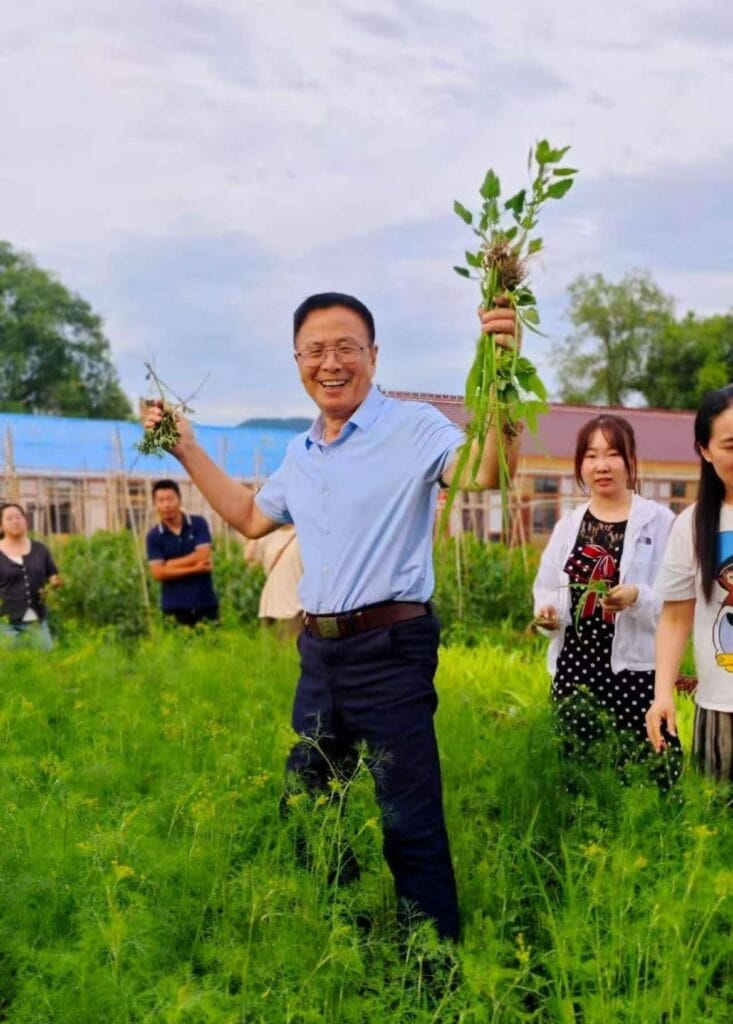
The following day, the conversation moved into the living context of Qifengshan Ecovillage, where more than 70 new villagers live and work; growing organic rice and vegetables, eating organic, and leading an organic life. The setting itself changed the character of the discussion. Rather than speaking about ecological civilization only within conference rooms, participants were able to consider how communities and places might themselves become environments for learning.
The ecovillage raised a particularly important possibility: What if education for ecological civilization were not confined primarily to classrooms and universities? Ecovillages, farms, rural communities, and other sites of ecological experimentation might also function as campuses—places where people learn not only by studying ideas but by participating in alternative ways of living.
Together, the Wuchang symposium and the visit to Qifengshan demonstrated the importance of connecting philosophical vision with concrete experiments. Process thought has long emphasized that ideas become meaningful through their consequences and their embodiment in actual relationships. Ecological communities provide one important arena in which these possibilities can be tested, revised, and lived.
Luoyang
Rethinking Education
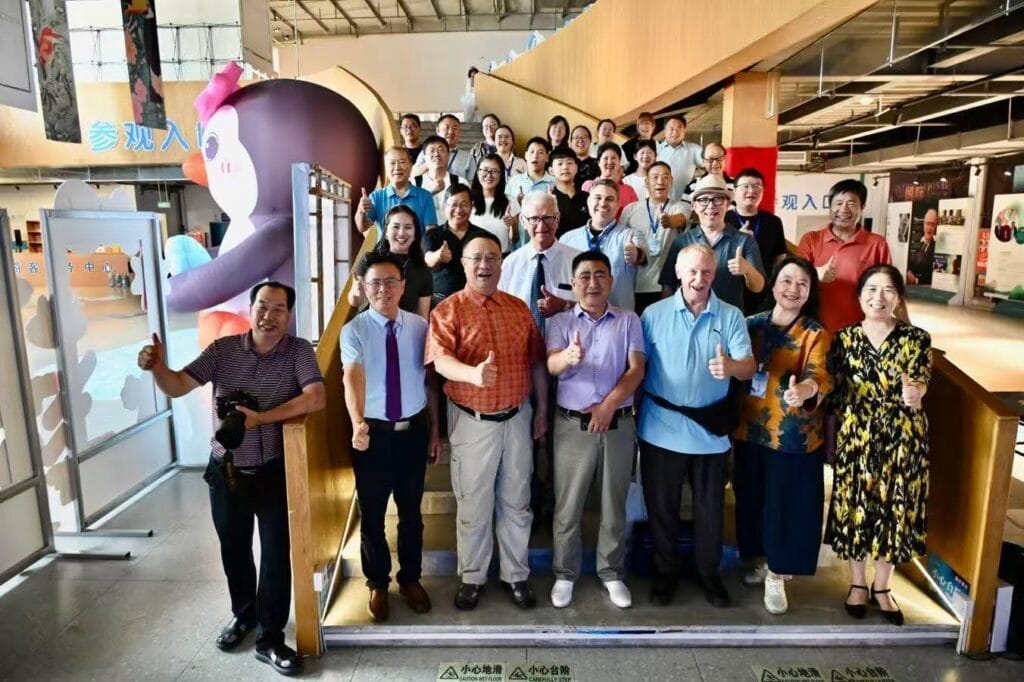
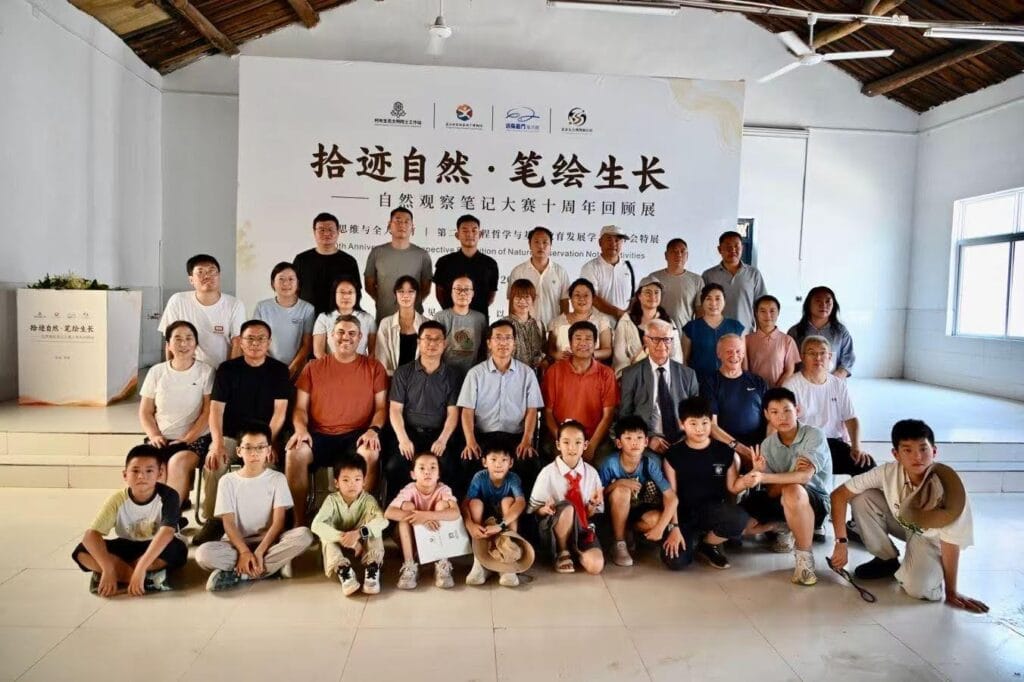
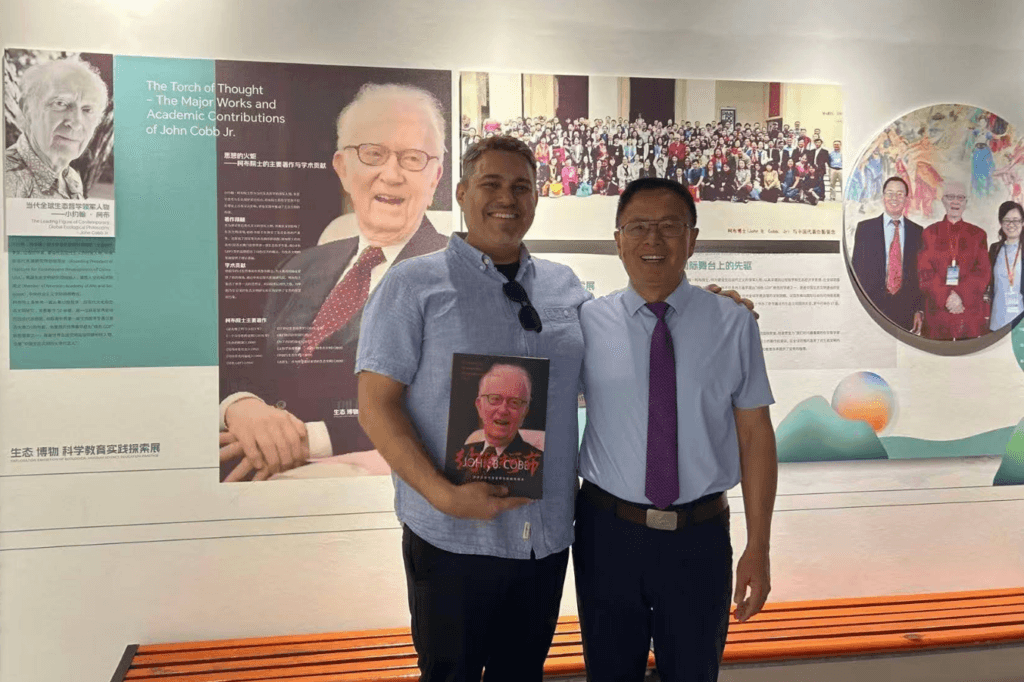
The next major gathering was the 2nd International Symposium on Process Philosophy and the Development of Basic Education in Luoyang. The symposium was hosted at the Longmen Aquarium facilities by Hongwei Ding and his daughter, Sasha Ding, whose family also runs the Songshan World Geology Study Museum and the Cobb Ecological Civilization Academician Workstation in Luoyang. These institutions are part of a growing network in China seeking to carry forward John Cobb’s legacy by connecting process-relational thought with education, ecological civilization, and practical experimentation.
The symposium focused on the relationship between process philosophy and educational theory and practice, including the emerging vision of Bowu education. Discussions explored an approach to education that moves beyond the transmission of isolated information toward the cultivation of relationships—with other people, with the natural world, with culture, and with the wider community of life. From a process perspective, education is not simply the accumulation of knowledge but a process of becoming, in which students and teachers alike are continually formed through their encounters with one another and with the world.
Luoyang therefore added an important educational dimension to the larger journey. If the gatherings in Wuchang and Qifengshan asked how communities might embody the values of an ecological civilization, the symposium in Luoyang asked how education might help form people capable of creating and sustaining those communities. It brought the broader vision of ecological civilization into the realm of educational practice, asking not only what students should know, but what kinds of persons—and what kinds of relationships—education should help cultivate.
Zhuhai
Forming a New Generation
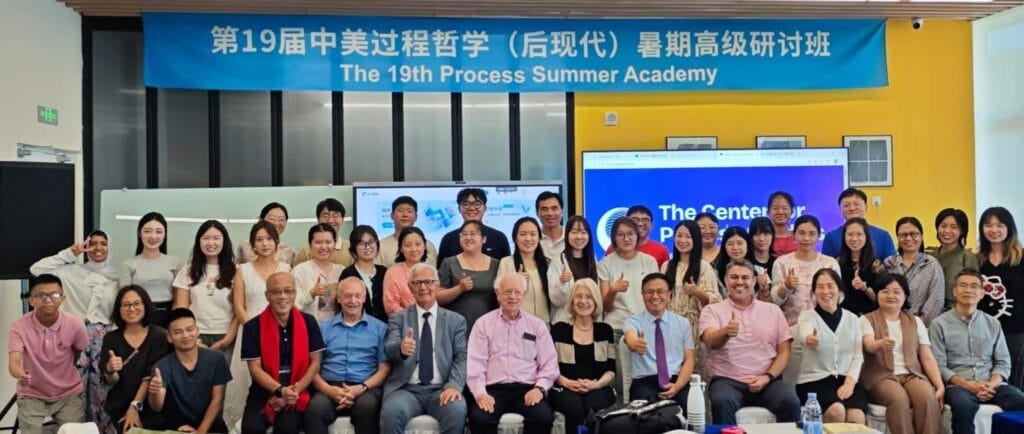
By the time the journey reached tropical southern China and the city of Zhuhai, the international group had expanded, with Paul Stenner (UK), and Pat Delaney and Paul Delaney (USA) joining the activities.
The first major gathering was the 19th Process Summer Academy, an intensive opportunity for students and scholars to explore the foundations and contemporary significance of process thought. Over 5 days in courses, participants engaged questions concerning the shift from mechanistic to organic understandings of reality, Whitehead’s metaphysics, the nature of experience and feeling, and the implications of process philosophy for ecological civilization.
The Summer Academy represented an especially important dimension of the broader work of the process community: intellectual formation. While conferences provide opportunities to present new research, the annual Process Summer Academy provides a vital space where people can slow down, study foundational ideas, ask basic questions, and develop relationships with teachers and fellow learners. This year’s Academy created precisely such a space, bringing together participants from different countries, disciplines, and stages of intellectual development.
It also demonstrated the increasingly international and intergenerational character of the process movement. The future of process thought will not be determined simply by preserving an established philosophical tradition. It will depend upon whether a new generation can take these ideas, challenge them, develop them, and discover new applications that earlier generations could not have anticipated.
Ecological Philosophy and the Future of Civilization
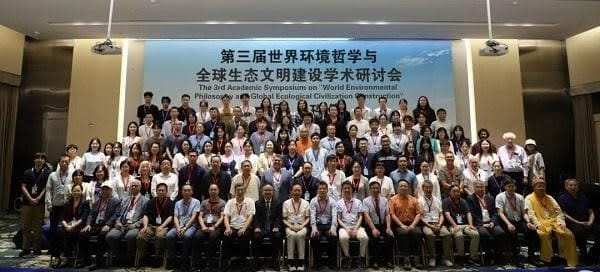
On July 16, the Third Academic Symposium on “World Environmental Philosophy and Global Ecological Civilization Construction” was also held in Zhuhai. This gathering placed process thought within a much broader international conversation about the philosophical foundations of ecological civilization. The ecological crisis is not merely a technical problem awaiting better technologies. It also reflects assumptions about what the world is, what human beings are, and what constitutes a good society.
Bringing different philosophical and cultural traditions into conversation is therefore essential to the work of ecological transformation. No single civilization or intellectual tradition possesses all the resources necessary for addressing challenges that are planetary in scale.
The symposium highlighted the possibility of a genuinely pluralistic ecological civilization—one shaped through dialogue among traditions rather than through the universalization of any single cultural model. In this context, process thought can serve not as a finished ideology but as a framework for encounter: one that emphasizes relationality, creativity, interdependence, and the emergence of new possibilities through difference. More than 100 presentations were delivered at this conference.
The 14th International Whitehead Conference
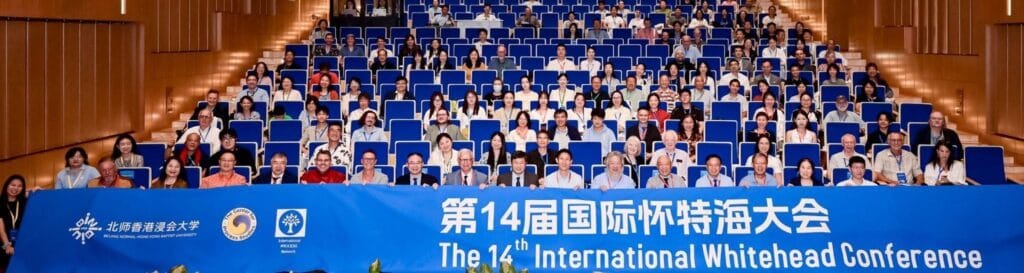
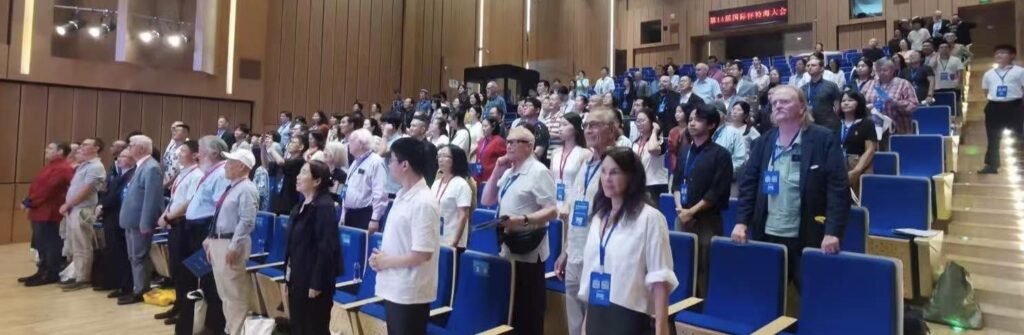
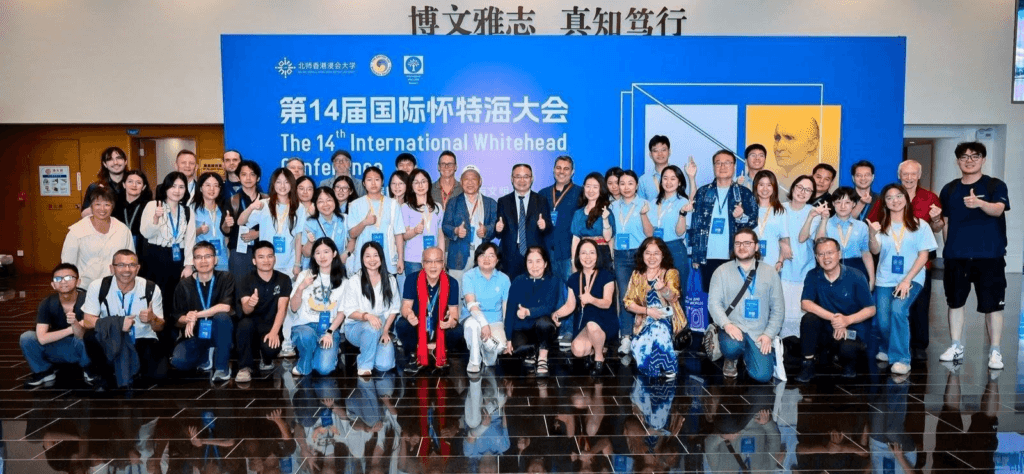
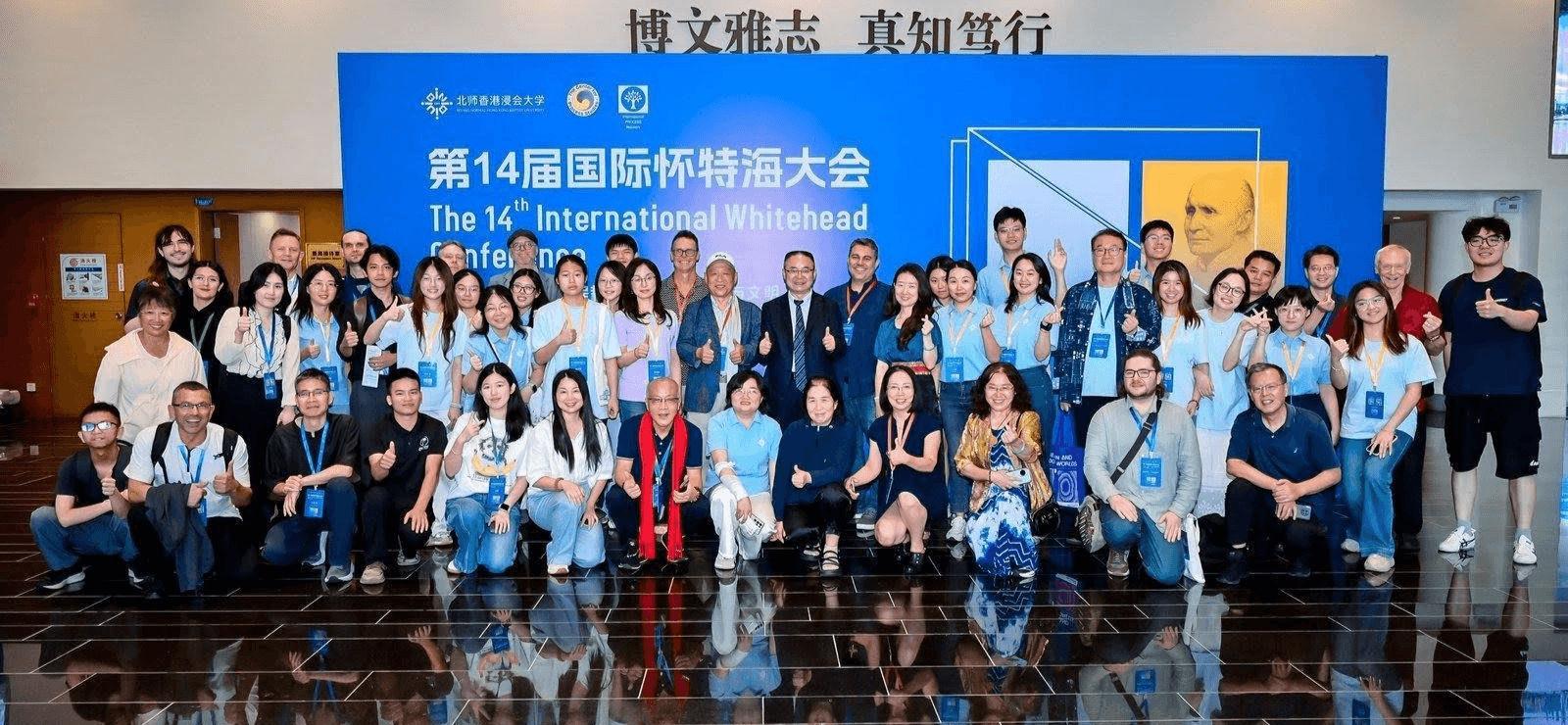
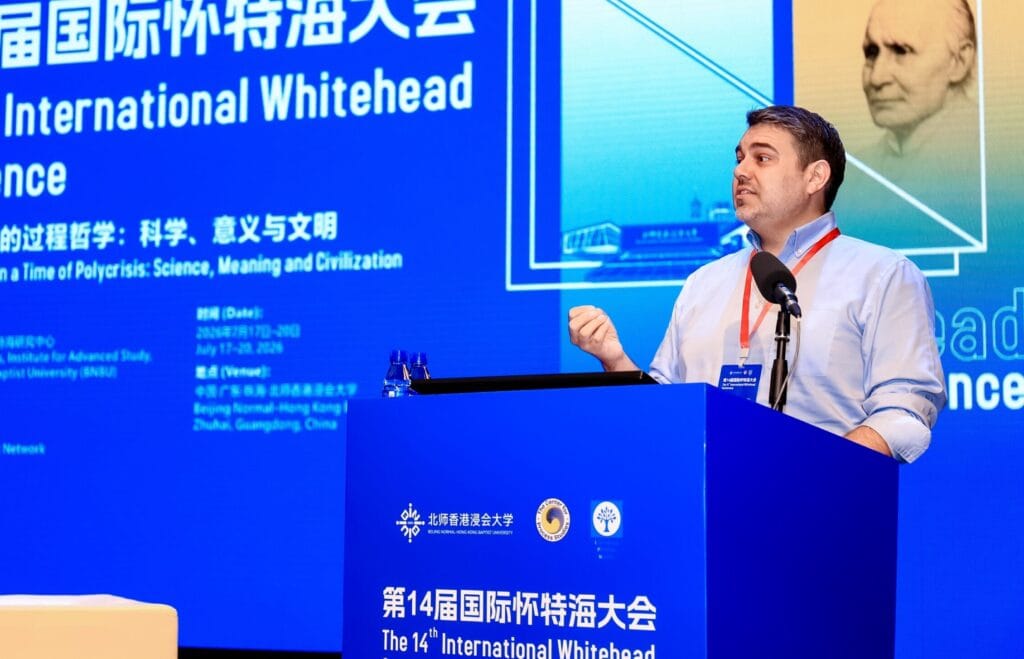
The culmination of the Zhuhai gatherings was the 14th International Whitehead Conference, held July 17–20 at Beijing Normal-Hong Kong Baptist University (BNBU). The hybrid gathering (in-person and online) brought more than 230 speakers from 35 countries and marked the return of the International Whitehead Conference to China after 24 years.
International Whitehead Conferences are inspired by the process philosophy articulated by Alfred North Whitehead (1861-1947). Since the inaugural IWC in 1981 (held in Bonn, Germany), these conferences have provided an international forum for discussing Whitehead’s philosophy (grounded in his contributions to mathematics and logic), and for documenting and evaluating its continuing influence on a range of intellectual and practical spheres from science and education to politics, business, ethics, economics, religion and beyond.
This was the second IWC to be held in China (the 2002 IWC having been held in Beijing). Zhuhai proved a particularly fitting setting for the 14th IWC because BNBU is the home of the “The Center for Whitehead Studies”, which is amongst the most important of such Centers in China today. In China Whitehead’s work has become influential in the development of the philosophy and policy promoting an Ecological Civilization. Amongst the world’s most important policy initiatives today, the intent, beginning in China, is to promote a global transition beyond the powerful but self-destructive framework of Industrial Civilization.
The conference theme, “Process Philosophy in a Time of Polycrisis,” provided a framework for engaging multiple dimensions of contemporary global crisis. The main program was organized into 12 parallel tracks covering a wide range of philosophical and contemporary issues, including metaphysics, science and cosmology, artificial intelligence, mental health and human flourishing, religion and ethics, Chinese thought, education, ecological civilization, politics, law, aesthetics, and collaborative approaches to emerging questions and initiatives.
The event was jointly organised by the Center for Whitehead Studies at BNBU, the Center for Process Studies (CPS), and the International Process Network (IPN). Following a Welcome Speech from BNBU President Chen Zhi, the Opening Ceremony continued with speeches from the three Conference Chairs, Guo Haipeng (Dean of School of General Education, BNBU), Andrew Schwartz (Executive Director of CPS) and Paul Stenner (Professor of Social Psychology at the Open University, UK, speaking in his capacity as Executive Director of IPN).
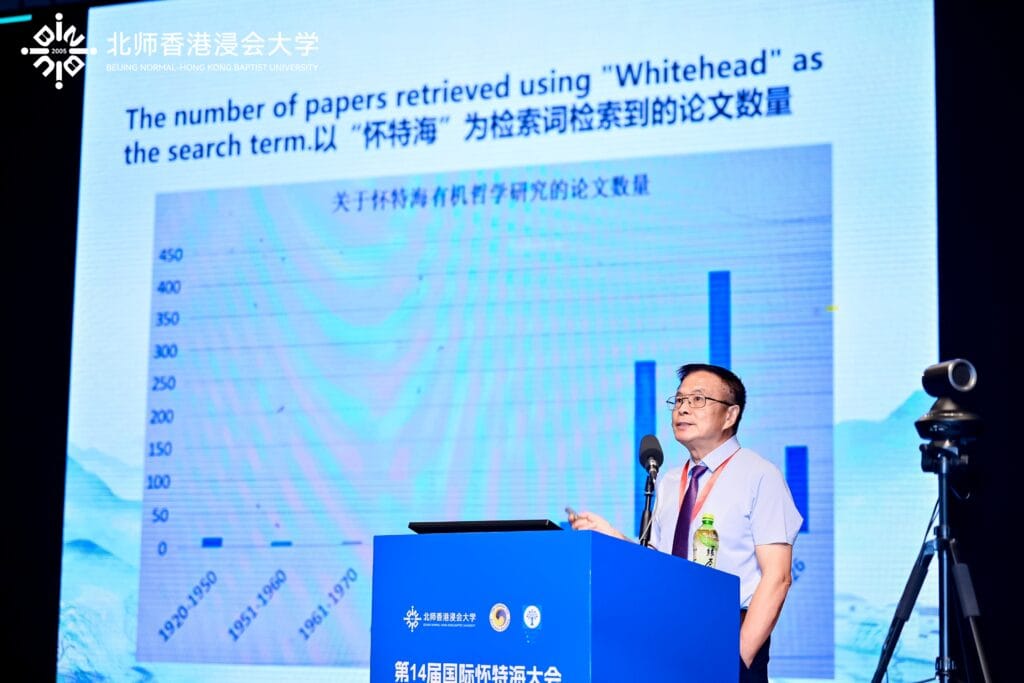
These introductions were followed by an Opening Plenary Address from Wang Zhihe (Executive Vice President of the Institute for Postmodern Development of China): “Towards a Tongtology… Process Thought in China: History, Development and Future Horizons.” Dr. Wang charted the growing interest in Whitehead within China, including the establishment of some 36 Whitehead related Centers in China since 2002, the annual running of 19 ‘Process Summer Academies’ in different parts of China, and the relevance of Whitehead for ‘Ecological Civilization’ policy. He proposed that the source of this interest is the deep convergence between process philosophy and what he called China’s Tong thinking or ‘Tongtology’. As he explained, in the Chinese language ‘Tong’, although also meaning ‘road’ or ‘way’, is fundamentally a verb suggesting things like walking, getting through, communicating, connecting or opening, emphasizing in each case the importance of progressive relations of becoming. According to Dr. Wang, Chinese people have faith in “Beauty lies in Tong” (in connectivity and flow).
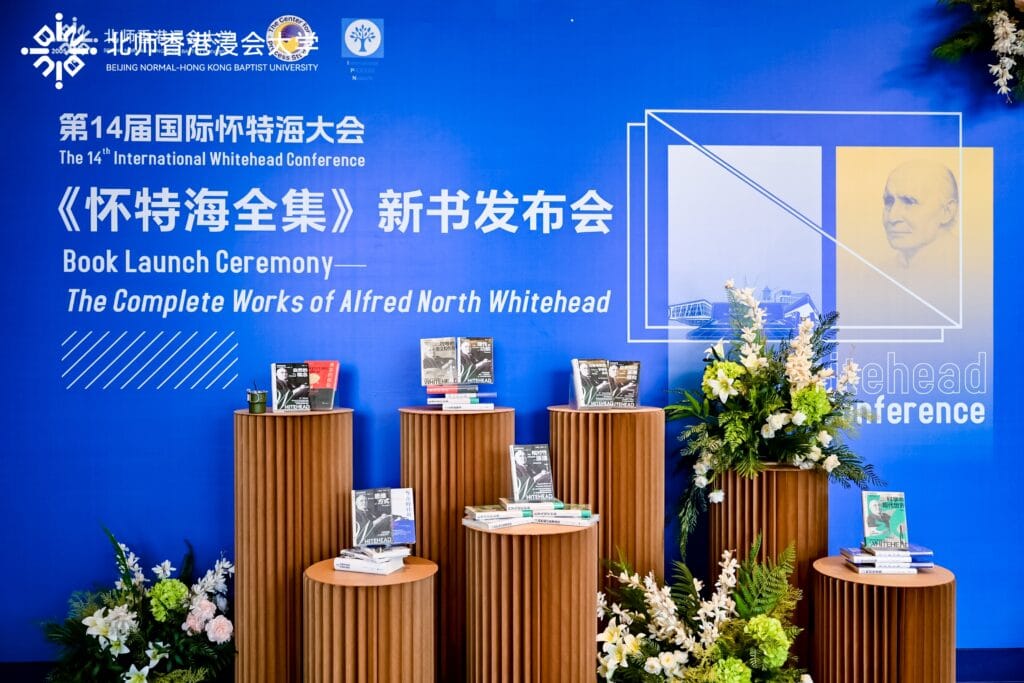
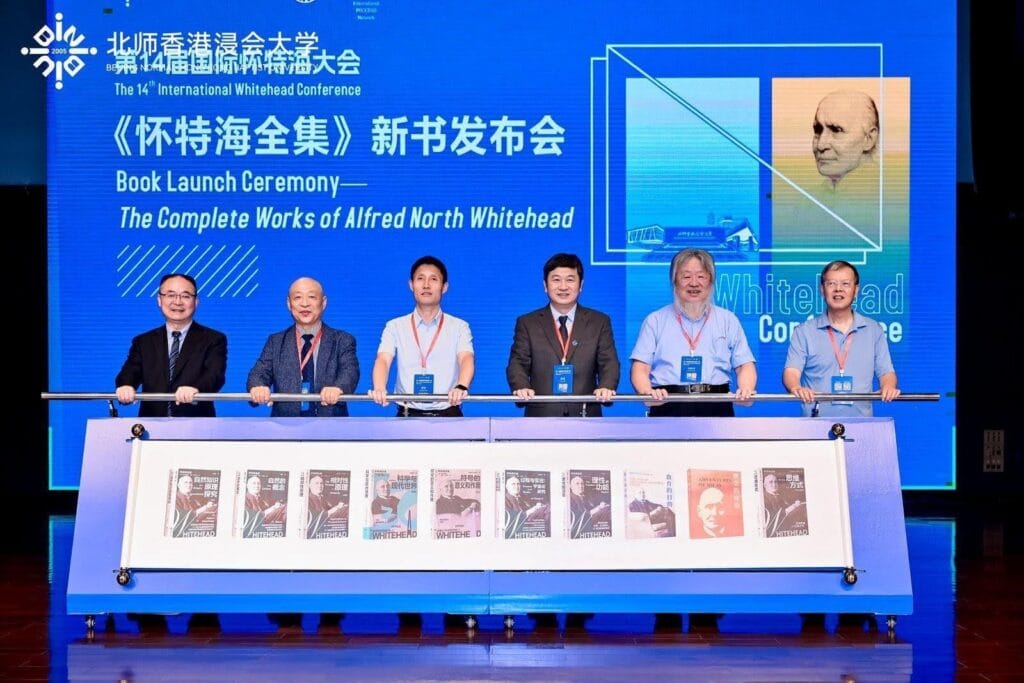
The first Plenary was followed by a key moment of celebration: the launch of The Complete Works of Alfred North Whitehead—20 volumes translated into Chinese, published by the Central Compilation & Translation Press, and edited by professors Haipeng Guo and Fubin Yang, both from BNBU.
The second Plenary Address was given by Wang Kun of the School of Marxism and Institute for Advanced Studies in Humanities, Zhejiang Normal University. He is the author of “A Comparative Study of Zhu Xi and Whitehead’s Philosophy” and “Whitehead’s First Handshake with Chinese Philosophy.” He gave an impressive and illuminating overview of Whitehead’s mature process philosophy, based upon an explication of the basic notion of creativity.
The third Plenary Address was given online by the evolutionary cosmologist Brian Swimme from the California Institute of Integral Studies. Dr. Swimme introduced the notion of “Cosmogenetic experiences” and shared some thought-provoking examples, from his own biography, of stories of experiences which awakened his appreciation of his own small place in the unfolding of the bigger cosmos (“auto-cosmological experiences”). The conference also featured an intergenerational dialogue plenary, creating space for established and emerging scholars to reflect together on the future of process thought. The conversation highlighted the importance of not only preserving and interpreting the process tradition, but also enabling a new generation to question, develop, and carry it forward in response to changing intellectual and planetary challenges.
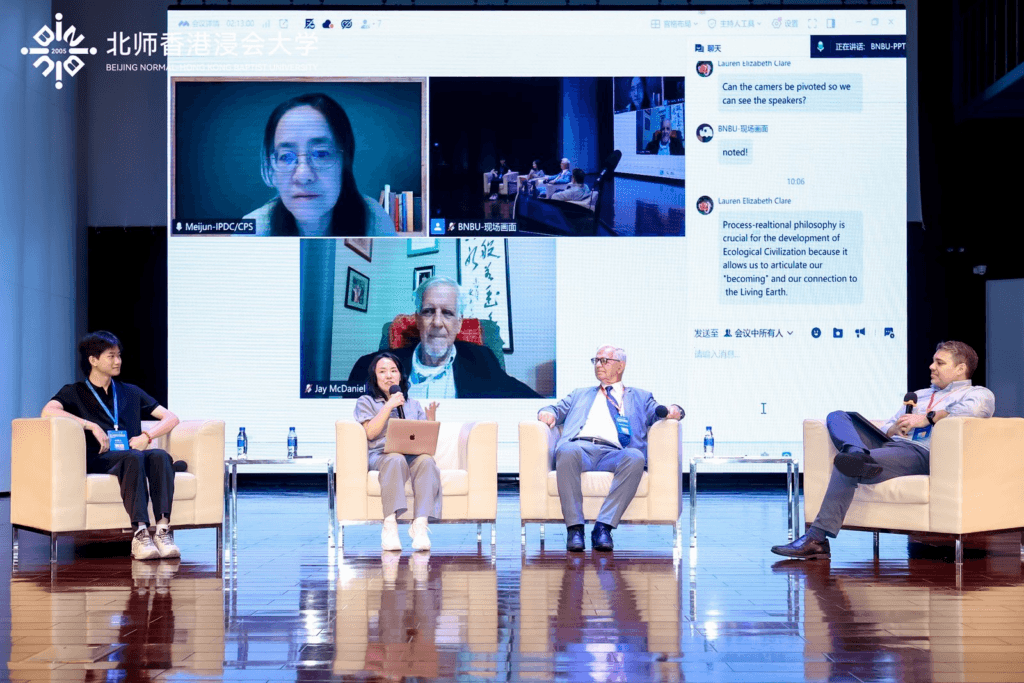
The final Plenary took the form of a panel discussion in which the three Conference Chairs, Guo, Stenner, and Schwartz, who shared their reflections about the conference and some plans for future developments, including planning the next IPN (possibly to be held in Southern Illinois University, USA, 2029), finishing the remaining volumes of The Complete Works of Whitehead, announcing the 19th International Claremont Forum on Ecological Civilization to be held in Kuala Lumpur, Malaysia, November 1-5, 2026, and planning an event on “Whitehead in London” in the UK. Dr. Zhihe Wang was announced as the next Executive Director of the International Process Network.
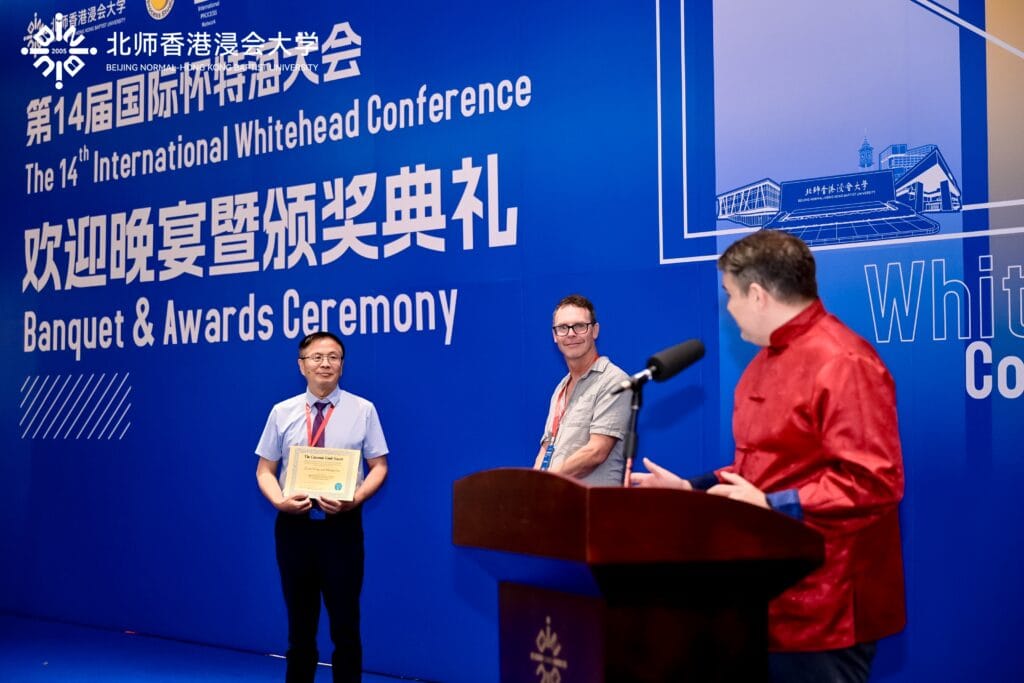
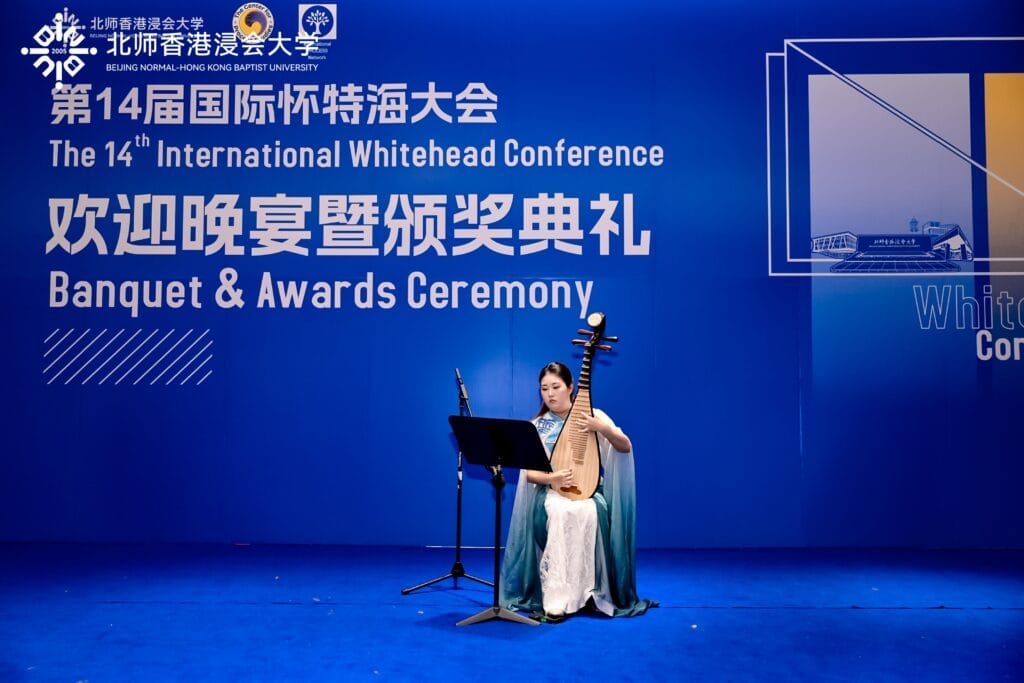
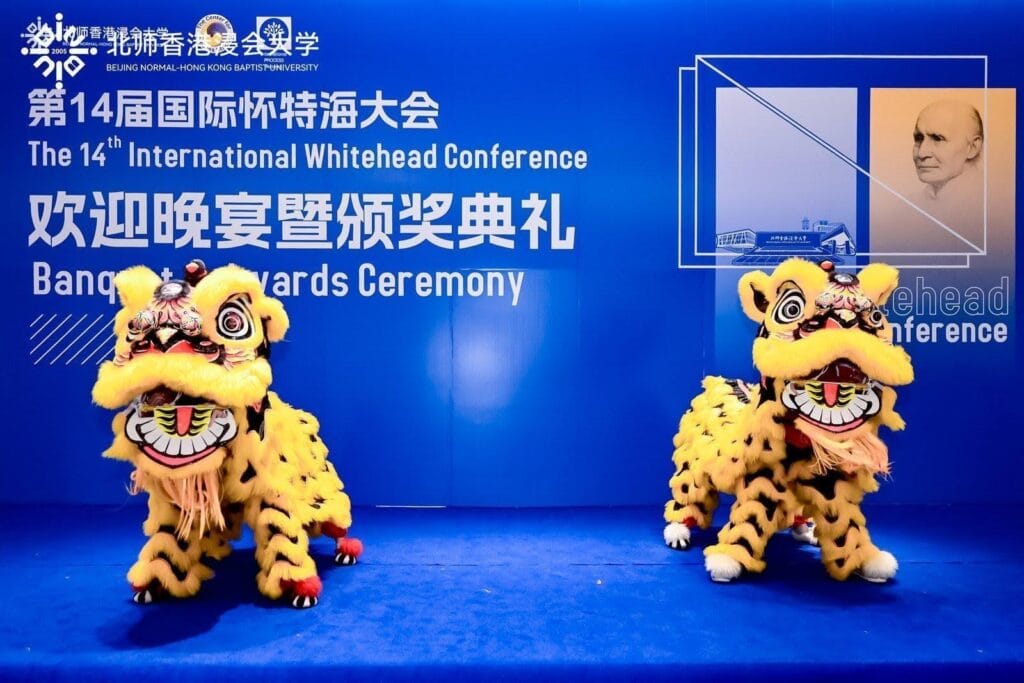
In addition to lectures, presentations, and discussions, the conference also included a banquet at the end of Day 1 was spectacular, featuring Chinese lion dances and musical performances by BNBU students. During the banquet, several IPN awards were presented.
Two doctoral students from the School of Philosophy at Beijing Normal University, where they study under Professor Liu Xiaoting, received the IPN Young Scholars Award. Chen Can’s award-winning paper was titled, “The Internal Structure of Becoming: The Constitutive Role of Perishing in Whitehead’s Theory of Concrescence,” while Wang Shang’s award-winning paper was titled, “From the Life Paradigm to a Physical Approach: The Contemporary Development and Future Reorientation of Organic Cosmology.” Both papers received high praise from the IPN blind-reviewers.
The Creative Advance Award—which recognizes notable, novel, and groundbreaking scholarly contributions that enlarge our understanding of process-relational thought and open new possibilities for its future development—was presented to Brian G. Henning and Joseph Petek for their work on the Critical Edition of the Complete Works of Alfred North Whitehead.
The Art of Life Award—which recognizes those who bring the values of process-relational thought beyond the academy and embody them through their practical work and their way of life—was awarded to Polish scholar Bogdan Ogrodnik, whose Living Education Workshops are a shining example of process thought in practice.
Finally, the Common Good Award—which recognizes thinkers and scholars whose lifetime achievements have made enduring and transformative contributions to the field of process-relational thought—was awarded to Zhihe Wang and Meijun Fan for their many decades of extraordinary leadership; building bridges between East and West, and promoting process thought in China and beyond.
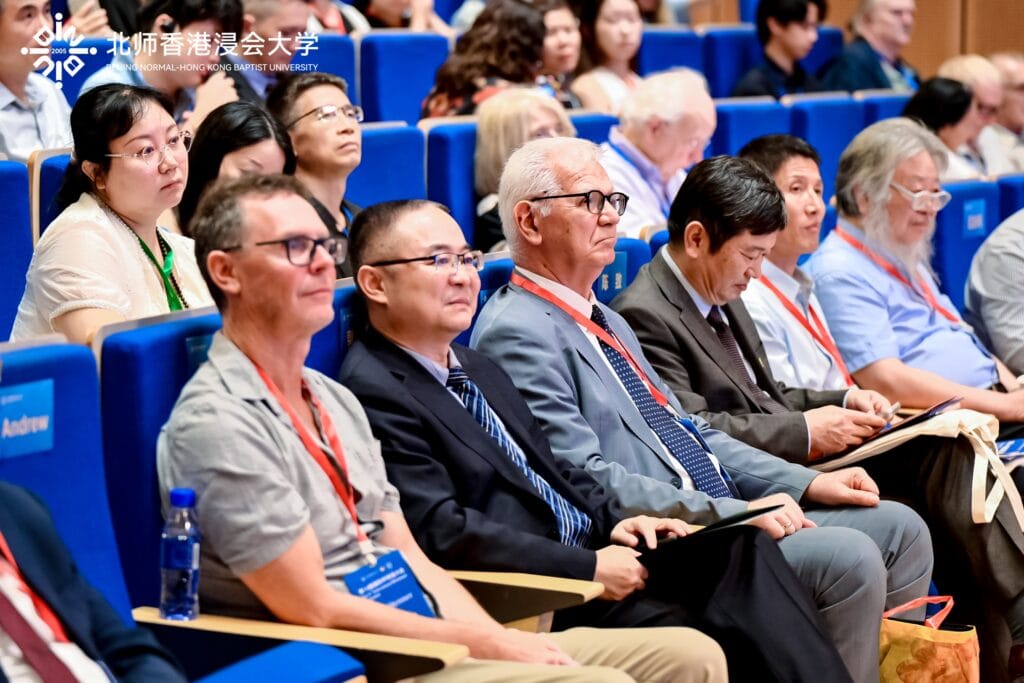
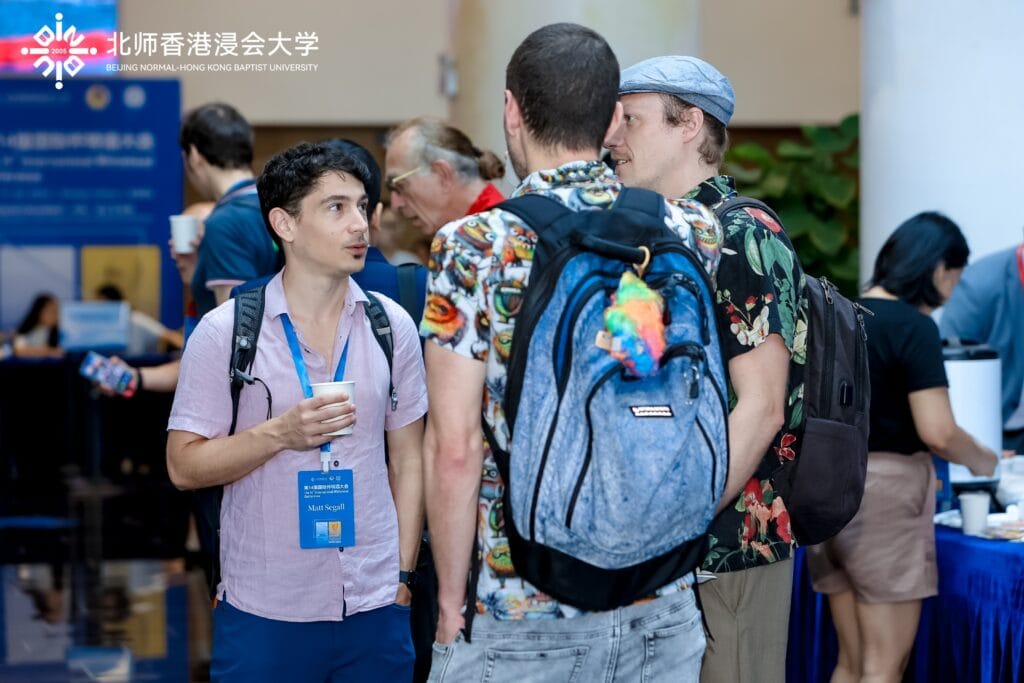
Throughout the three-day conference, one could see a process community that has become increasingly global, interdisciplinary, and diverse. Philosophers spoke with scientists. Educators met environmental practitioners. Senior scholars engaged students and emerging researchers. Participants from different cultural and intellectual traditions discovered shared questions without needing to erase their differences.
The conference also created space to ask difficult questions about the process movement itself: What has it accomplished? Where has it fallen short? Whose voices have not yet been sufficiently heard? And what must change if process-relational thought is to make a meaningful contribution to the challenges of the twenty-first century? These questions point toward an important transition. The future of process thought cannot consist merely in interpreting Whitehead. It must involve continuing the creative adventure that his philosophy invites—bringing process-relational ideas into new conversations, testing them against new problems, and allowing encounters with other traditions to transform the movement itself.
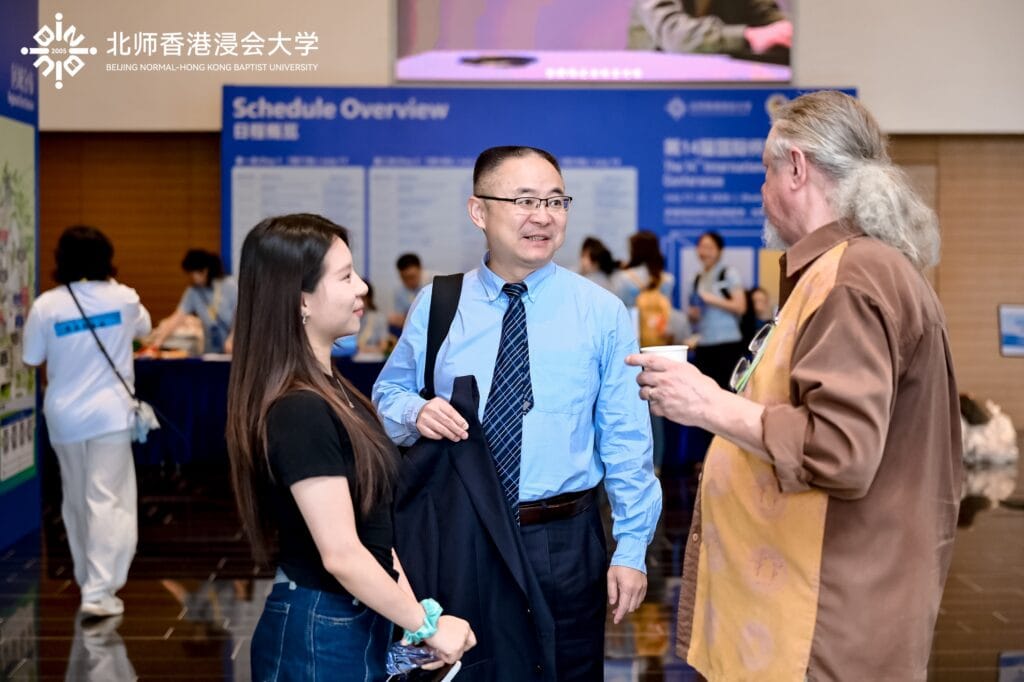
Overall, the 14th International Whitehead Conference was a resounding success, with rich intellectual debate, new alliances forged, and new friendships cemented. The venue at BNBU was impressive, with excellent facilities and an eye for organisational detail. The team of helpers allowed those physically present to find the well-equipped rooms and operate the technology. The event was hybrid in nature and there were, as seems inevitable, connection issues in a number of cases of virtual participation, and some reported difficulties in using the provided platform to join the conference virtually. The hosts from BNBU are to be thoroughly congratulated on this excellent organisation, including provision of tasty lunches and refreshments, transport from dormitories and hotels to venues, and general support for participants. The daytrip to the New Yuan Ming Palace and to Beishan Village was delightful. One experienced delegate, veteran of multiple IWCs, remarked that this was the most impressively organised of all he had encountered.
Shenzhen
Extending the Conversation into Business
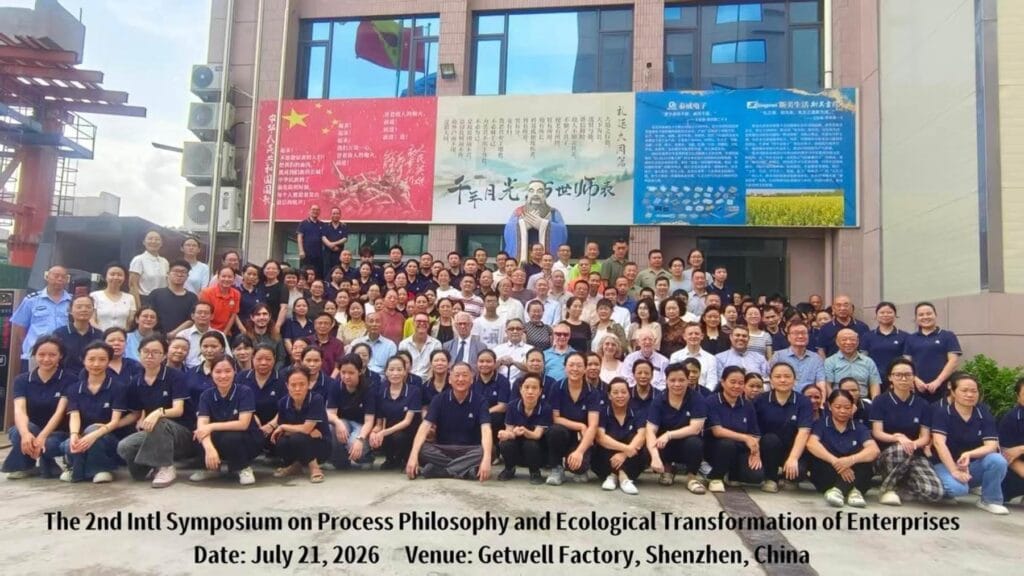
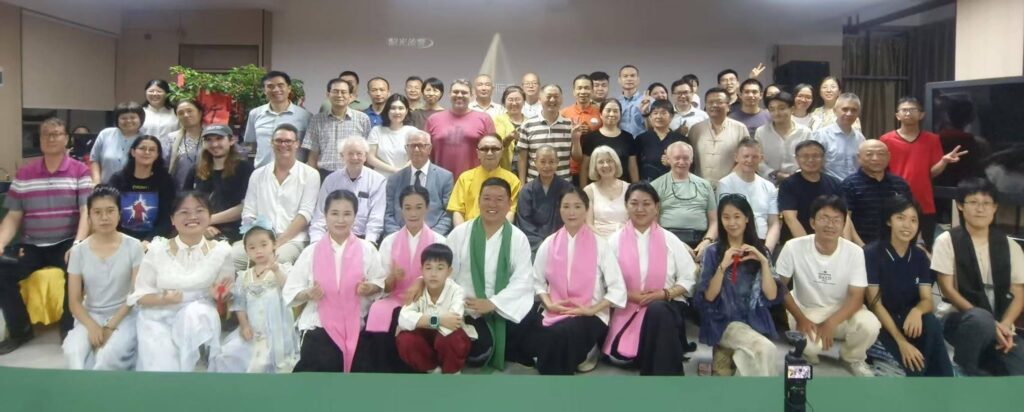
The journey concluded in Shenzhen with the 2nd International Symposium on Process Philosophy and Eco-Transformation of Enterprises. For this final gathering, the international group expanded again, with Attila Grandpierre (Hungary), Jared Morningstar and Emily Baird (USA), and colleagues from Korea joining the conversation. Shenzhen—a city closely associated with technological development, entrepreneurship, and rapid economic transformation—provided an especially fitting setting for asking how process-relational thinking might engage the worlds of business, technology, and innovation.
The venue for this remarkable event was the Getwell electronics factory, itself an example of an enterprise being transformed by the principles of Ecological Civilization. Its founder and General Manager, Li Wenliang, a laureate of the Cobb Common Good Award, has created a unique environment in which workers are provided with excellent organic vegetarian food, and people with mental health and other difficulties are invited into the community and supported.
Much of the global conversation about ecological civilization understandably focuses on government, education, and environmental activism. Yet businesses and economic institutions remain among the most powerful forces shaping the future of the planet. Ecological transformation therefore requires more than asking companies to reduce their negative impacts. It requires rethinking the purpose of economic activity and the relationships upon which successful organizations ultimately depend.
The rise of artificial intelligence makes these questions increasingly urgent. As machines become capable of producing extraordinary quantities of information and content, distinctively human capacities for relationship, trust, care, creativity, and shared purpose may become more rather than less important.
Bringing process philosophy into dialogue with business therefore opens another frontier for the movement. The question is not simply how businesses can become more environmentally responsible, but how economic institutions themselves might become participants in the creation of communities that support human and ecological flourishing.
A Movement on the Move
Looking back across these weeks, what stands out most is the extraordinary range of contexts in which process-relational ideas are now being explored.
A daily reading community in Harbin. Rural revitalization and ecovillage experiments in Wuchang and Qifengshan. Educational innovation in Luoyang. Intensive philosophical study and global ecological dialogue in Zhuhai. An international Whitehead conference bringing together hundreds of participants from around the world. And finally, a conversation about business, technology, and ecological transformation in Shenzhen.
These were not isolated events. Together, they revealed different dimensions of a shared question: What kinds of ideas, relationships, communities, and institutions are needed for a flourishing planetary future?
No philosophy by itself can answer that question. Nor can any single nation, discipline, or cultural tradition.
But process-relational thought offers something important to the conversation: a vision of reality in which relationship is fundamental, creativity is ongoing, and the future remains genuinely open. The communities we encountered across China demonstrated what this can mean in practice. Process thought is being studied, taught, debated, translated, challenged, and increasingly put to work in contexts far beyond the boundaries of academic philosophy.
Perhaps the most important lesson of the journey, then, was not simply that the process movement is growing. It was that the movement itself is becoming more processive—more international, more interdisciplinary, more intergenerational, and increasingly connected to communities seeking practical responses to the challenges of our time.
The journey from Harbin to Shenzhen covered thousands of kilometers. But the deeper journey is one that continues: from ideas to practice, from inherited traditions to new possibilities, and from separate communities toward a growing global network committed to exploring what a more relational and ecological civilization might become.
If you would like to support this work, consider making a donation to the Center for Process Studies.
More Photos from the 14th International Whitehead Conference